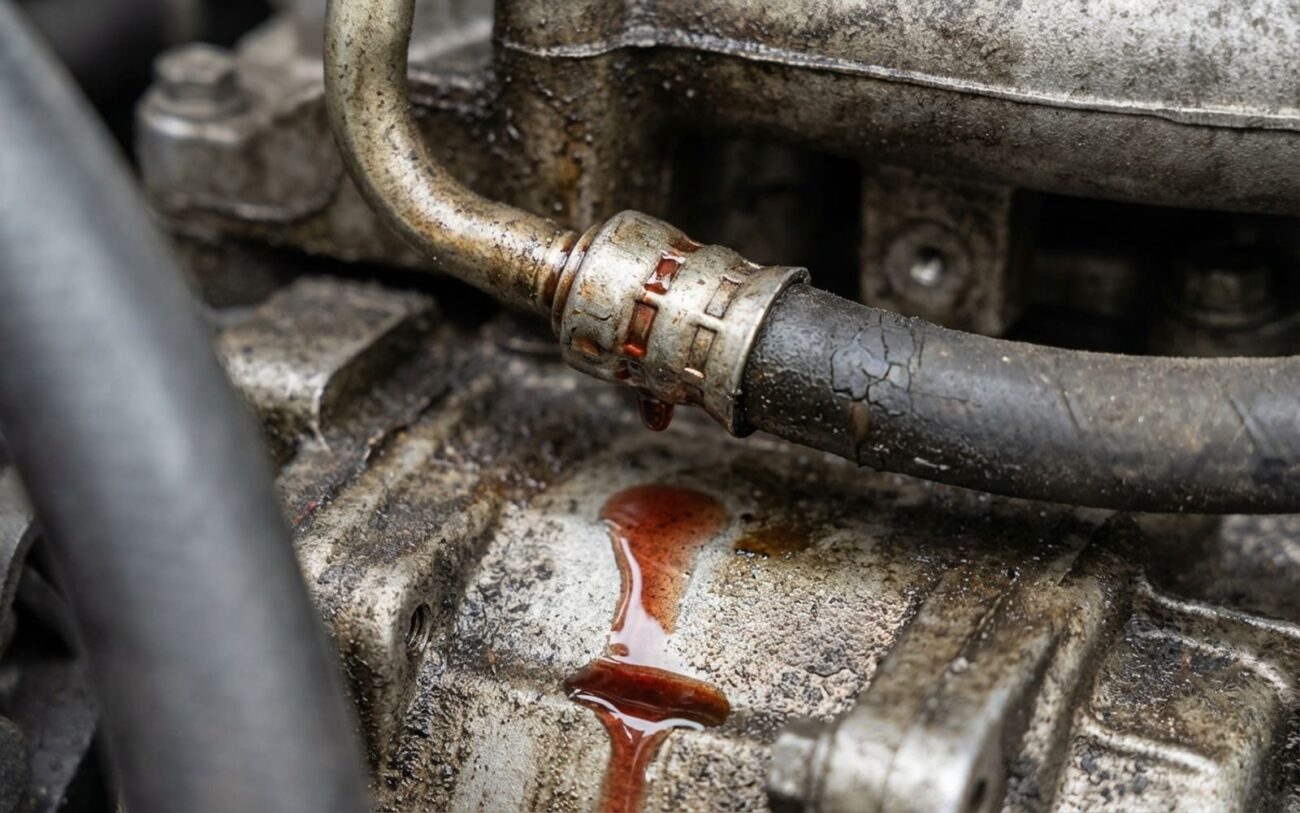
Alright, let’s talk power steering pumps. After more than two decades wrenching on everything from beat-up pickups to high-end European sedans, I’ve seen enough of these things to know one crucial truth: when your steering starts acting up, don’t just point fingers at the pump. It’s often the culprit, sure, but accurate diagnosis means really listening, looking, and feeling what the car’s telling you. Jumping to conclusions is how you waste time and money, and nobody wants that.
Decoding the Symptoms: What Your Steering is Telling You
Most of the time, the first thing folks notice is a noise. A power steering pump that’s on its way out usually starts with a whining or groaning sound. You’ll hear it get louder when you turn the wheel, especially at low speeds, and it’ll often increase with engine RPM. This is classic cavitation—basically, air getting sucked into the hydraulic system. Usually, it’s because the fluid’s low, or maybe the inlet filter is clogged, or the pump’s inlet seal is starting to fail. As things get worse, that whine can turn into a deeper growl, and that’s usually a sign of internal bearing wear.
Now, if you hear a grinding or a metallic screech coming from the front of the engine, that’s not just wear and tear anymore. That’s a serious problem, likely the pump’s internal bearing has completely collapsed. When that happens, the rotor starts dragging against the pump housing, and you’re already looking at significant damage. And here’s the kicker that a lot of drivers miss: if that bearing seizes up completely, the pump pulley can lock solid. That puts an incredible amount of stress on your serpentine belt, and it can snap in a matter of seconds.
Fluid leaks are another big red flag. If you see fluid weeping from the center of the pulley, that’s almost always a failed shaft seal. If it’s along the aluminum housing seams or near the reservoir, it could be casting porosity—tiny manufacturing defects—or even a hairline crack. Then there’s the sudden, complete loss of assist. The steering goes stiff, especially at low speeds, with no obvious fluid loss or prior noise. In my experience, that typically means the drive shaft inside the pump has sheared, or the pump has seized entirely. No warning, just gone.
Don’t Guess, Test: Isolating the Real Problem
Here’s where experience really pays off. Many of these symptoms can mimic problems elsewhere in the system, and I’ve seen too many people replace a perfectly good power steering pump only to find the real issue was something else. That whine? It might not be the pump at all. It could be a kinked high-pressure hose, a failing steering rack, or even just low fluid from a leak somewhere else entirely. That screech? Could be a seized idler pulley or a worn tensioner, not the pump. That’s why you need to isolate the source with targeted testing before you spend a dime on parts.
I always start with a good visual inspection. Check the fluid level and condition—is it dark, foamy, or does it smell burnt? Then, with the engine off, grab the power steering pump pulley and try to wiggle it. Any excessive play usually points to a bad bearing. Then, try to spin it by hand. It should turn smoothly with a little resistance. If it feels rough, gritty, or seized, you’re on the right track.
For noises, a mechanic’s stethoscope is your best friend. Seriously, it’s a cheap tool that’ll save you hours. Touch it to the pump housing, then to the idler pulleys, the water pump, the alternator. You’ll quickly pinpoint where that noise is loudest. If it’s definitely the power steering pump making the racket, then you’re looking at internal wear or cavitation.
If you suspect a leak, clean the area thoroughly. I mean spotless. Then, run the engine and turn the wheel from lock-to-lock a few times to build up pressure. Watch closely with a flashlight. You’ll see exactly where the fluid starts to weep. Sometimes, I’ll add a UV dye to the power steering fluid—it makes finding those stubborn, tiny leaks a lot easier with a black light.
And for that sudden loss of assist? First, verify the serpentine belt is still intact and properly tensioned. If the belt’s fine, try turning the pump pulley by hand with the engine off. If it’s seized or spins freely with no resistance (and the belt is turning it), then the pump’s guts are likely toast.
Why These Pumps Give Up: The Root Causes
So, once you’ve confirmed it’s the pump, what actually fails inside? The biggest killer, in my experience, is fluid breakdown. Power steering fluid isn’t “lifetime” fluid, no matter what some manuals imply. Over time, it loses its lubricating properties, gets contaminated with fine metal particles from normal wear, and essentially turns into an abrasive soup. This accelerates wear on everything: the internal needle bearings, the vanes, and the rotor.
As those bearings wear, the pump shaft starts to wobble. That wobble destroys the lip seal at the pulley, leading to that classic center-shaft leak. Once that seal goes, more air gets pulled into the system, worsening cavitation and noise. It’s a vicious cycle. The vanes and rotor inside the pump can also wear down from those circulating metal particles, reducing pumping efficiency and causing sluggish assist, especially at idle.
Sometimes, you’ll see casting porosity—tiny voids in the aluminum housing from manufacturing. These can slowly weep fluid, especially under pressure. It’s less common now, but I’ve seen it on older trucks and SUVs with high-pressure systems. And then there’s the catastrophic stuff: a seized bearing can cause the drive shaft to shear, rendering the pump completely useless. Housing cracks are rare, usually from overtightened fittings or impact damage, like hitting a curb hard enough to jar the mounting bracket.
Important Distinction:
Before you blame the pump, remember what isn’t a pump issue. A leaking high-pressure hose is a hose problem. A rack seal leak belongs to the steering gear. And if your car has Electronic Power Steering (EPS), there’s no hydraulic pump to fail at all! Misdiagnosing these can cost you hundreds. For instance, if you’re hearing a clunk when turning, it’s probably a worn ball joint or strut mount bearing, not the pump.
The Fix: Repair or Replace?
Safety & Precision Warning
Your repair path depends entirely on what’s damaged. Many of these procedures require specialized tools—seal drivers, pressure gauges, pulley pullers—and a good understanding of hydraulic systems. Improper reassembly can lead to immediate failure, accessory belt damage, or even a fire. If you’re not confident, take it to a professional.
Post-Repair Validation: Don’t Skip This Step
You’re not done just because the new pump is bolted in. Validation is key to avoiding comebacks and angry customers. For any leak repair, whether it’s a seal or an external patch, the priority is checking for leaks. Run the engine until it hits normal operating temperature, then cycle the steering from lock to lock 10–15 times. This builds up full system pressure. Then, get under there with a flashlight and inspect all connections, the shaft seal, and housing seams. If you used UV dye before the repair, now’s the time to hit it with a black light in a dark garage—it’ll reveal even the smallest seepage.
For a full pump replacement, the professional standard is a power steering pressure and flow test. You’ll need a specialized gauge set with both pressure and flow meter capabilities. Connect it to the high-pressure line, start the engine, and check that the pump reaches the specified relief pressure—typically 1200–1500 psi for most passenger vehicles. Then, verify the flow rate at idle and again at 1500–2000 RPM. If pressure is low or flow is weak, you might have air trapped in the system, a blockage downstream (like in the rack or a hose), or, unfortunately, a defective new pump. This test also confirms there are no unusual noises under load, which could indicate air or another failing component.
The Bottom Line: Cost, Risk, and Making the Right Call
Let’s be realistic: repair cost and long-term reliability are huge factors. Here’s a breakdown based on what I see in the shop, including parts and labor:
| Repair Type | DIY Cost (Parts Only) | Shop Cost (Parts & Labor) | Success Rate | Secondary Risk |
|---|---|---|---|---|
| External sealant patch | $20 | $150 | <30% | Complete pump failure, accessory contamination, false sense of security |
| Shaft seal replacement | $50 | $300–$500 | 80% (if bearings are good) | Re-leakage, imminent bearing failure (if not caught) |
| Complete pump replacement | $150–$400 | $500–$900 | 95%+ | Incorrect installation, fluid spillage, air in system |
The numbers tell a clear story. That external patch is cheap, but it rarely lasts more than a few months. Replacing just the shaft seal is a solid middle ground, but only if the pump’s internals are still sound. If those bearings are already worn, you’re just buying yourself limited time. Full replacement is the most reliable, but it’s also the biggest investment.
Here’s a rule of thumb I use with my customers: if the total repair cost for any major component exceeds about 40% of the car’s current market value, you need to evaluate the whole picture. Is the suspension worn out, like on some older Mercedes W204 or Audi B8 models with those expensive multi-link setups? Are there other major issues looming? Sometimes, it’s smarter to put that money towards a different vehicle.
Keeping It Healthy: Prevention and Monitoring
The best way to avoid power steering pump failure is proactive maintenance. This is something too many drivers skip until it’s too late. Start with the fluid: always use the exact type specified on the reservoir cap or in your owner’s manual. Using generic ATF or the wrong spec fluid will degrade seals and reduce lubrication, accelerating internal wear faster than you’d think. Over time, even the correct fluid breaks down and accumulates fine metal particles from normal pump and rack wear. Those particles act like grinding paste, wearing down bearings and vanes.
My Maintenance Checklist:
-
Flush the power steering system every 50,000 miles, or more often if you drive under severe conditions (towing, extreme heat/cold).
-
Check the fluid level and condition monthly. It should be amber or red, not dark brown or black. If it’s dark, change it.
-
Listen for the first hint of a whine when starting the car cold, especially when turning the wheel. That’s your early warning.
