That Noise in Reverse? Here’s What It Really Means.
Alright, let’s talk about that grinding or whining noise you’re hearing when you put your car in reverse. After 25 years under the hood, I can tell you this: if it’s only happening in reverse, you’ve got a mechanical issue brewing inside that transmission. It’s almost never good news, but catching it early can save you a bundle.
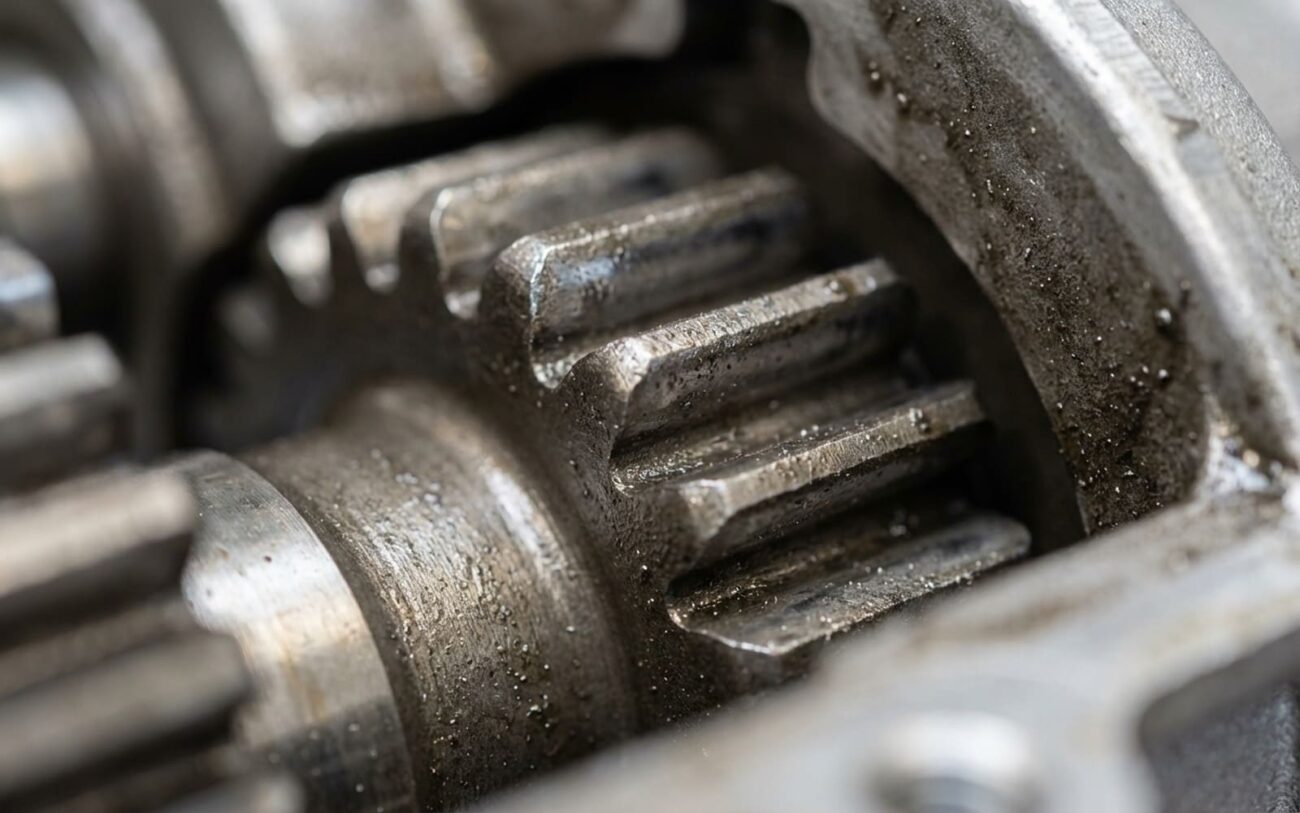
A high-pitched whine that gets louder with speed usually means worn gear teeth or a failing bearing. Think of it like a dull roar that just gets more intense. If it’s more of a grinding or growling sound, especially one that feels like it’s catching or skipping, that’s often chipped or broken gear teeth. That’s a more serious kind of damage, and it usually means metal is getting chewed up.
The key here is isolation. If that noise disappears completely when you shift into neutral or any other gear, then we’re almost certainly looking at the reverse gear set, its synchronizer, or a component directly tied to the reverse circuit. But if you hear noise in neutral (with the clutch out on a manual) or in other gears, then you need to look elsewhere. Could be a worn differential or an input shaft bearing that’s on its way out. And if you just get a single “clunk” when you first engage reverse, that could be a chipped tooth, but I always check the easy stuff first: worn engine or transmission mounts, or a clutch that isn’t fully disengaging.
My Approach: How I Diagnose It in the Shop
Before I even think about pulling a transmission, I always rule out the simpler, external stuff. There are a lot of issues that can sound like a reverse gear problem but are actually something else entirely. The goal is to confirm it’s truly internal before we commit to a major tear-down. Here’s how I break it down:
| What You’re Hearing | What It Usually Means (Internal) | Common Mimics (External) | My Go-To Test to Confirm |
|---|---|---|---|
| Whine or Grind, Reverse Only | This is classic wear. Pitting, chipping, or severe wear on the reverse gear teeth or the idler gear. I see this a lot in high-mileage manual transmissions, especially ones that have been driven hard. | Sometimes a worn reverse synchronizer can make noise, or a failing idler gear bearing (not the gear itself). Low or degraded transmission fluid can also cause poor lubrication and noise, but usually not this specific. |
First thing I do: drain the transmission fluid. If I see visible gear fragments, metal flakes, or thick, glittery sludge on the drain plug magnet, that’s my confirmation. |
| Loud Clunk on Engagement | This often points to a missing or severely chipped tooth on the reverse gear itself. When it tries to engage, it slams into that missing section. | Excessive movement in the drivetrain from collapsed engine or transmission mounts can cause a clunk. A loose shift linkage, or a clutch that isn’t fully disengaging (clutch drag) can also make engagement rough. |
I’ll put the car on a lift and visually inspect the engine and transmission mounts for tears or collapse. For a manual, I’ll check clutch pedal free play and make sure the clutch is fully releasing. |
| Noise in Reverse AND 1st Gear | This is a big clue. In many manual transmissions, 1st and reverse share a common gear or shaft. If both are noisy, that shared component is damaged. | Could be a bearing failure on the countershaft or mainshaft, which supports multiple gears. This would explain noise in more than one gear. |
At this point, you’re looking at transmission disassembly. I’d be inspecting that common gear, its mating gear, and all associated bearings on the main and countershafts. |
Why Do These Gears Give Up the Ghost?
Transmission gears are tough. They’re made of hardened steel and designed to take a beating. But they’re not invincible. When I see reverse gear teeth fail, it almost always comes down to one of three things: fatigue, impact, or contamination.
Fatigue wear is the slow killer. Over thousands of shifts and miles, the constant contact between gear teeth creates microscopic stresses. Eventually, this leads to pitting or spalling on the tooth surface. It’s like the metal just gets tired and starts flaking off from the inside out. This is common in high-mileage units.
Impact overload is probably the most common cause I see, and it’s usually driver-induced. It happens when someone tries to shift into reverse while the car is still rolling, even just a little bit. That forward momentum prevents the gear from fully engaging, and when it finally does, it’s a violent impact. I’ve seen teeth snap clean off instantly from this kind of abuse.
A Word on Abrasive Wear:
Don’t underestimate what a little bit of debris can do. If a bearing starts to disintegrate, or a synchronizer ring wears down, those tiny metal particles get circulated by the fluid. Suddenly, your transmission fluid turns into a grinding compound, accelerating wear on everything, including the reverse gear. This is exactly why a thorough cleaning of the case is absolutely critical during any internal repair. You don’t want to leave any of that grit behind.
Just to clear things up: electrical issues, like a bad reverse light switch or a solenoid that’s not firing, might prevent reverse from engaging, but they won’t cause mechanical grinding or broken teeth. And while low fluid is bad news, it doesn’t directly break gears. What it does is starve components of lubrication, which leads to overheating and massively accelerated wear. That can eventually lead to failure, but it’s not the immediate cause of a snapped tooth.
The Fix: What It Takes to Get You Back in Reverse
No Shortcuts Here: Internal Transmission Work
Let’s be clear: if you’ve got damaged reverse gear teeth, there’s only one way to fix it, and that’s by pulling the transmission. No magic additive, no fluid flush, no external adjustment is going to repair broken metal. This is precision work, requiring specialized tools and a meticulously clean environment.
Component Replacement
Full Assembly or Remanufactured Unit
Making Sure the Repair Actually Stuck
Just because the transmission is back in the car doesn’t mean the job’s done. A proper validation process is crucial. I always make sure to put a few miles on it and perform these checks before I hand the keys back to a customer:
-
Functional Test: I’ll back the car up, sometimes even up a slight incline. Reverse needs to engage smoothly, without any grinding, clunking, or whining, especially under a bit of load.
-
Post-Repair Fluid Check: After the car has been driven for about 300–500 miles, I always recommend bringing it back in. I’ll drain the fluid again and inspect the magnet. You should only see a very fine metallic dust—that’s normal break-in wear. If I find any metal flakes, chunks, or excessive sludge, it tells me something is still wearing abnormally, and we need to investigate further.
What This is Going to Hit Your Wallet For
Alright, let’s talk numbers. Repairing a transmission, especially one that needs to come out of the car, isn’t cheap. Here’s a general idea of what you can expect:
| Repair Type | DIY Cost (Parts Only) | Shop Cost (Parts & Labor) | My Success Rate (If Done Right) | Secondary Risk I Look For |
|---|---|---|---|---|
| Reverse Gear Set Replacement | $300–$800 | $1,800 – $3,500 | High (95%+) | The biggest risk here is missing other worn components, especially a bearing that might have been damaged by the initial failure. If you miss it, you’ll be doing the job again. |
| Remanufactured Transmission | N/A (not a DIY job for most) | $3,500 – $7,000+ | Very High (98%+) | The primary risk with a reman is almost always improper installation. Things like not aligning a torque converter correctly on an automatic, or damaging seals during installation, can lead to quick failure. |
How to Keep This From Happening Again
Don’t Skimp on Fluid Maintenance
This is huge. Always, and I mean always, use the exact transmission fluid specified in your owner’s manual. I’ve seen too many failures from using “universal” fluids that just don’t cut it. The wrong fluid can lead to poor lubrication, excessive heat, and accelerated wear on those gears. And stay on top of fluid condition—if it’s burnt, dark, or smells nasty, it’s overdue for a change.
-
Drive with mechanical sympathy: This is probably the biggest one. Always come to a complete, dead stop before you shift into reverse. That little bit of forward momentum is what snaps teeth. Just be patient.
-
Avoid “torque rocking”: You know, trying to rock the car back and forth to get out of snow or mud. That creates massive shock loads on the reverse gear and your transfer case. If you’re stuck, get a tow or shovel, don’t try to break your transmission free.
-
Listen to your car: A faint whine when backing up isn’t just “character.” It’s an early warning signal. Catching these issues when they’re minor can genuinely save you thousands down the road.
