ABS Light On? Let’s Figure Out if It’s the Module (or Not)
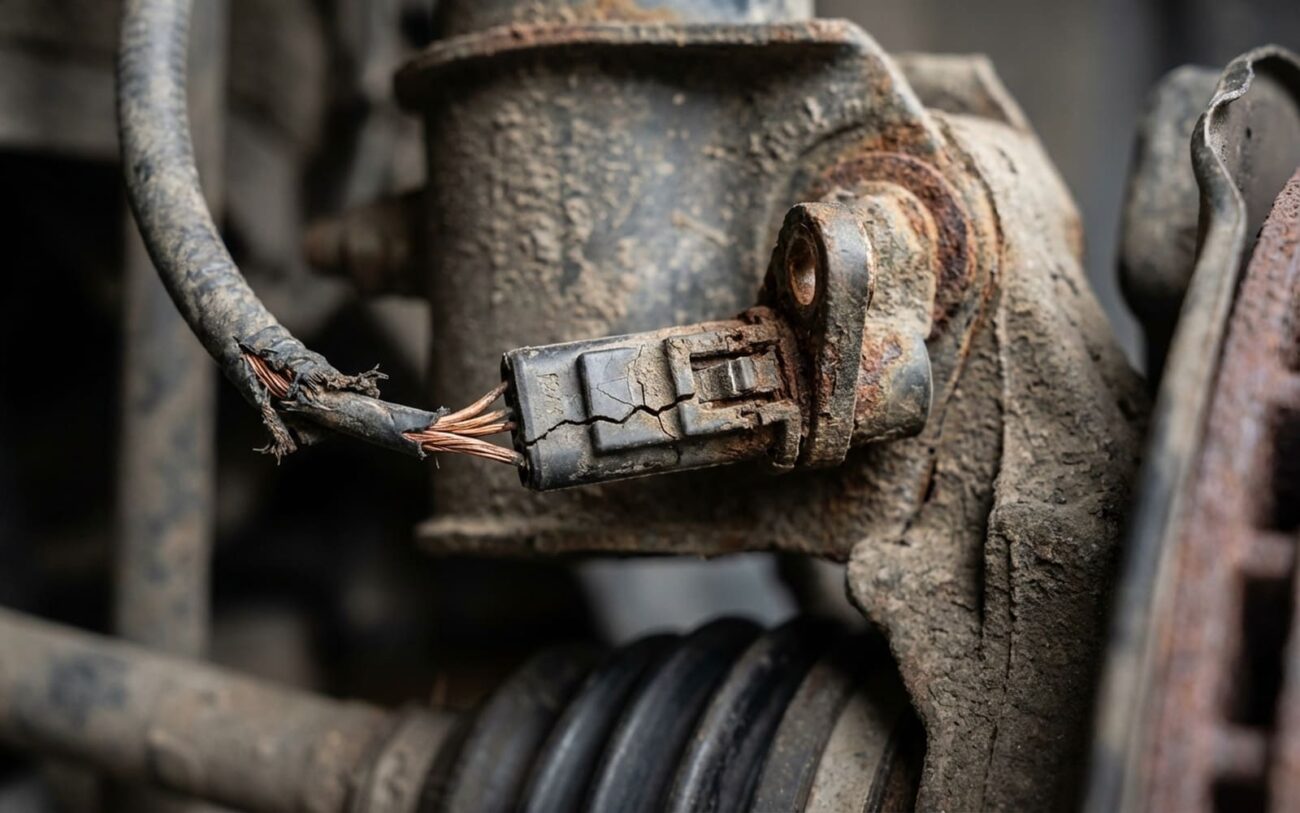
Alright, so the ABS warning light is glaring at you, or maybe you’re hearing some funky noises under the hood. The first thing most folks jump to is, “Oh no, my ABS module is toast!” And yeah, sometimes it is. But after 25+ years wrenching on everything from daily drivers to heavy-duty trucks, I can tell you these systems are a lot more complex than they look. Your mind might go straight to that expensive module, but the real problem is often hiding somewhere else.
I’ve seen countless brake systems come through my bay, and one of the most common, and costly, mistakes is replacing an ABS control unit without a proper diagnosis. Nobody wants to shell out a grand for a new module only to find out it was a loose wire or a cheap wheel speed sensor all along. So, let’s cut through the noise. I’ll show you the real signs that point to an internal failure in the ABS hydraulic unit or control module – the kind that means internal damage – and how to tell them apart from the simpler stuff.
Status: CRITICAL
The Definitive Signs of an Internal ABS Module Failure
When I’m trying to pinpoint an ABS module failure, I’m looking for a specific set of symptoms that scream “internal problem.” These aren’t the vague, “could be anything” kind of issues. These are the ones that tell me the heart and brain of your braking system are struggling.
1. Specific Internal Diagnostic Trouble Codes (DTCs)
This is usually the clearest indicator. We’re not talking about generic codes like a C0121 for a wheel speed sensor or a C0040 for a signal mismatch. Those point to external issues. What I’m looking for are codes that the ABS control unit generates about itself. Think C1235 (LF Inlet Valve Circuit Open), C0145 (Pump Motor Circuit Malfunction), or any code indicating an internal control unit communication error. These codes mean a solenoid valve, the hydraulic pump, or the circuit board inside the module has failed. When the module tells you it’s broken, believe it.
2. A Rock-Hard Brake Pedal (Not During ABS Activation)
This is a big red flag. If your brake pedal feels like you’re trying to push a brick wall, especially during normal driving – not just when the ABS is kicking in – that’s a serious problem. On many modern vehicles, the ABS pump actually provides hydraulic pressure for your power brake assist. If that pump motor fails, you lose that assist. It’ll feel just like trying to stop the car with the engine off. This isn’t a vacuum leak or a bad booster; this is the core of your ABS system giving up.
3. Grinding, Buzzing, or Growling from the ABS Unit
Listen closely. If you hear a continuous or intermittent grinding, buzzing, or a low-pitched growl coming directly from the ABS hydraulic unit (it’s usually mounted pretty close to the master cylinder), that’s a telltale sign. This isn’t your brake pads chattering or a wheel bearing whining. This is an electromechanical sound from inside the pump motor. I’ve heard them start for a few seconds when you turn the key, then stop, only to come back later. That’s often the pump motor struggling due to worn bearings or internal drag. If you hear it, don’t just turn up the radio.
Narrowing It Down: Ruling Out the Usual Suspects
Before you even think about replacing that expensive module, you’ve got to rule out the simpler, external problems. Trust me, misdiagnosing a bad wheel speed sensor as a failed module is probably the most common mistake I see. A faulty vacuum booster can give you a hard pedal, but it’s not an ABS issue. You need a logical, step-by-step process to isolate the real source of the problem.
| Symptom | Likely Internal ABS Module Fault | Common External Mimics | My Definitive Test |
|---|---|---|---|
| ABS Light with DTCs for valve/solenoid circuits | Failed solenoid coil, internal circuit board damage, or corroded connector pins inside the module. | Faulty wheel speed sensor, damaged sensor wiring, or a missing tone ring signal. |
Use a bidirectional scan tool to command each solenoid valve. Monitor actuation current and listen for the click. If the module reports an internal circuit fault, it’s usually correct. |
| Hard brake pedal, loss of power assist | Failed ABS pump motor or internal loss of hydraulic assist pressure from the module. | Faulty vacuum booster, cracked vacuum hose, or a failed check valve. |
First, check the vacuum system thoroughly. If that’s good, listen for the 1–2 second ABS pump prime at ignition on. Then, command the pump via a scan tool. If it doesn’t run or sounds weak, it’s the module. |
| Grinding or buzzing noise from ABS unit | Worn or seizing pump motor bearings, commutator wear, or gear train damage inside the unit. | Alternator bearing noise, power steering pump failure, or a worn AC compressor clutch. |
Use a mechanic’s stethoscope to pinpoint the exact source of the sound. If it’s clearly coming from the ABS unit, try disconnecting the pump motor connector (if accessible) to see if the noise stops. |
Why ABS Modules Fail: Inside the Breakdown
Once you’ve done your homework and confirmed the fault is definitely inside the ABS module, it’s helpful to understand what actually went wrong. In my experience, these internal failures generally fall into two categories: electronic and hydraulic/mechanical. They’re rarely random; it’s usually long-term wear, contamination, or sometimes even a design flaw.
Electronic Failures: The Brains of the Operation
Most electronic failures happen in the control unit’s circuit board. Moisture is a huge factor here, especially on modules mounted low on the frame or where they’re constantly getting splashed. Over time, those seals degrade, and water creeps in, leading to corrosion on the board or connector pins. I’ve seen modules where green corrosion has literally eaten through solder joints. The high-current MOSFET drivers that control the solenoid valves and pump motor are especially vulnerable. Also, years of thermal cycling – heating up and cooling down – can crack solder joints or degrade components, causing intermittent or complete circuit failure.
Real-World Example:
On certain Ford and Lincoln models from the mid-2010s, water intrusion into the ABS module connector is a known issue, often leading to internal valve circuit faults. There are service bulletins out there for some model years, usually pointing to poor drain design near where the module sits. It’s something I check first on those vehicles.
Hydraulic and Mechanical Failures: The Muscle
These failures are almost always tied back to the condition of your brake fluid. The ABS pump motor needs clean, properly lubricating fluid to do its job. Old, degraded brake fluid absorbs moisture, which reduces its lubricity and promotes internal corrosion. This speeds up wear on the pump’s motor brushes, commutator, and bearings. Once those bearings start to bind, the motor struggles, draws too much current, and eventually fails. Inside the valve block, tiny metal particles or sludge from contaminated fluid can score the sealing surfaces of the solenoid valves, causing them to stick open or closed. That means pressure loss or, worse, unintended brake application.
Your Repair Options: From Simple to Severe
Safety First, Always.
Brake systems are safety-critical components. If you’re replacing an ABS module, you must perform an automated bleed cycle and module initialization using a capable scan tool. Skipping this step can lead to a soft pedal, ABS faults, or even a complete loss of braking function. This isn’t optional, it’s essential.
External Connector Cleaning DIY-FEASIBLE
Internal Electronic Repair (Remanufacturing) PROFESSIONAL-ONLY
Hydraulic Unit/Pump Replacement PROFESSIONAL-ONLY
Temporary Bypass (Pulling the Fuse) LAST-RESORT
Making Sure the Fix Actually Worked
Installing the new module and tightening the brake lines isn’t the end of the job. You’ve got to validate the repair. A bad bleed, a missed initialization, or even a lingering ghost code can leave you with a soft pedal, recurring ABS faults, or a loss of braking assist. Don’t skip these steps.
My Post-Repair Validation Checklist
-
Clear all DTCs, then use a bidirectional scan tool to command each solenoid valve and the pump motor. Listen for proper actuation and confirm current draw.
-
Perform a safe road test. Find a loose surface (like gravel or wet grass) and trigger the ABS. You should feel the characteristic pedal pulse and hear the pump working.
-
After the road test, re-check for any leaks at all modulator fittings. Also, confirm you have a firm, high brake pedal.
-
Monitor all four wheel speed sensors using live data on your scan tool. Ensure they report identical speeds when driving straight and consistent readings during turns.
The Cost Reality: When to Fix, When to Walk Away
Let’s be blunt: ABS module repairs are expensive. The cost can swing wildly depending on your vehicle and the repair route you choose. Here’s a realistic breakdown based on what I see in the shop and current parts pricing.
Remanufactured Module (R&R)
This includes the cost of a factory-remanufactured part and labor. If it’s coded correctly, the success rate is usually over 95%.
Bench Repair (Your Module)
This is when you send your existing module out to a specialist for board-level repair. It’s cheaper, but the success rate is typically 80-90%, and there’s downtime.
Brand New OEM Module
The most reliable option, but also the most expensive. Often necessary for catastrophic internal failures where remanufacturing isn’t an option.
Here’s the hard truth I’ve had to deliver to many customers: if the repair cost starts to climb towards 40% or more of your vehicle’s current market value, it might not make financial sense to fix it. On a 10-year-old sedan worth $4,000, an $1,800 ABS module replacement just isn’t practical. Sometimes, it’s time to let go.
Preventative Maintenance: Your Best Defense
Most ABS module failures are preventable. The biggest culprit is old, moisture-laden brake fluid. Follow your manufacturer’s recommended flush interval – usually every 2 to 3 years. A $100 fluid change can save you from a $1,500 module replacement down the road. It’s cheap insurance.
And one last thing: the ABS system doesn’t operate in a vacuum. A faulty steering angle sensor, for example, can trigger stability control warnings that look like ABS faults, but the diagnostic path is completely different. Always let the data – the codes, the live sensor readings, and your own observations – guide your diagnosis, not just assumptions.
