You’re not crazy—your Tesla really does show tire pressure down to 0.1 bar. That’s not a gimmick. It’s direct TPMS working exactly as designed. I’ve been turning wrenches since the ’90s, and this is one of the few modern systems that actually gives you usable data instead of vague warnings. But like any tech, it can lie. And when it does, you need to know whether the sensor’s failing or if you’ve got a real leak.
Why Tesla Shows Exact Numbers
Most cars? They use indirect TPMS—iTPMS. No physical sensors. They just watch wheel speed through the ABS. A low tire spins faster, so the computer says “Hey, something’s up.” But it can’t tell you how low. Could be 5 psi or 15. All you get is a yellow symbol.
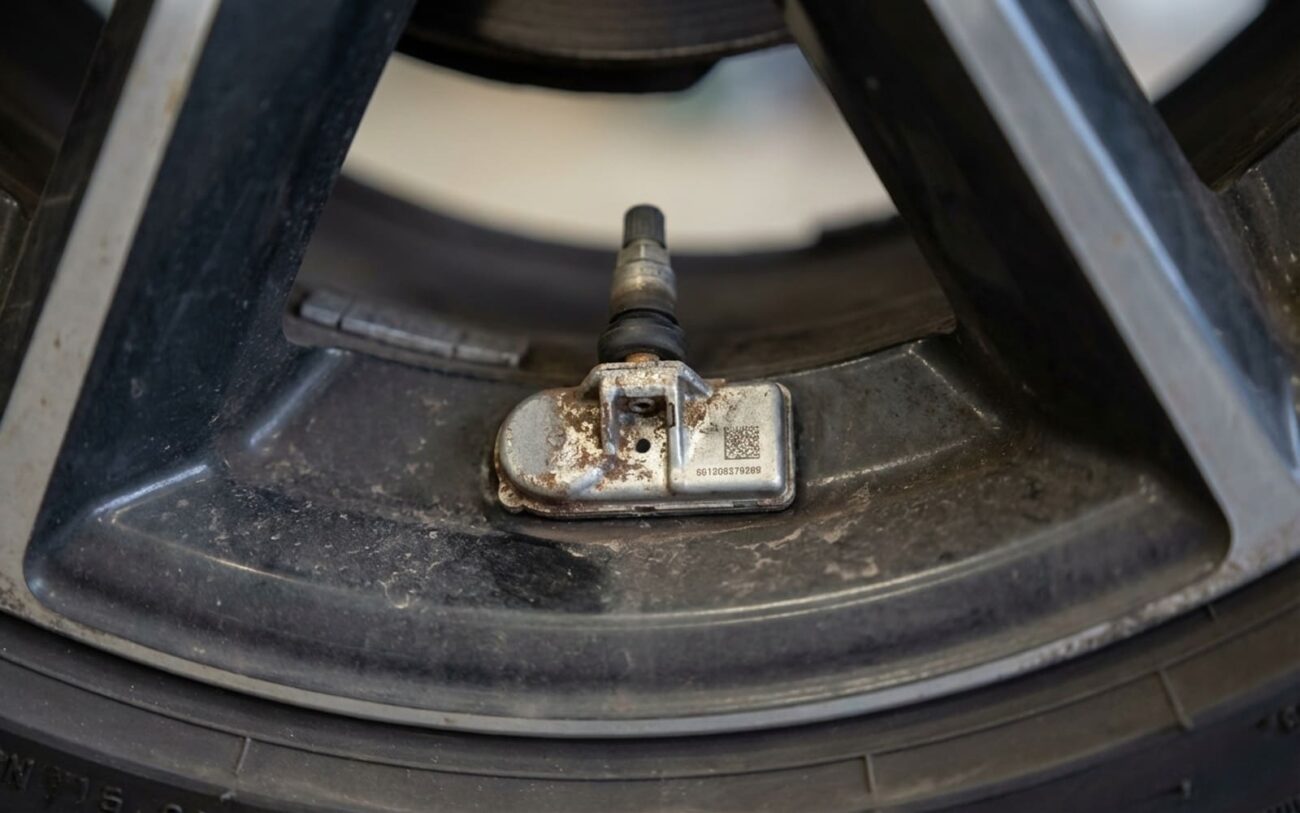
Tesla? Different story. Each wheel has a real sensor screwed into the valve stem. It measures pressure and temperature, then radios it to the car. That’s why you see 34.2 psi—because that’s what it is. The system doesn’t round, doesn’t guess. It reports. This isn’t flashy UI; it’s functional. I’ve used this data to catch slow leaks before they killed a tire.
And no, your friend’s SUV won’t do this—even if you install direct sensors. The gateway module and infotainment software aren’t built to display live PSI. That’s a hard system limitation. You can’t retrofit Tesla’s visibility into a car designed for binary alerts.
Symptoms, Causes, and How to Test
When the numbers look wrong, don’t assume the sensor’s toast. First, rule out user error. I’ve seen guys panic because the display said 28 psi—only to find their $20 gas station gauge was off by 5 psi.
| Symptom | Likely Cause | External Factors | Definitive Test |
|---|---|---|---|
| Precise 0.1 bar display on all tires | Working direct TPMS with full data reporting | Aftermarket display pulling factory data; rare software glitch |
Check live data via Tesla service mode or OEM scan tool. Confirm all sensors are transmitting valid pressure and temp.
|
| Generic “Low” or “Normal” warning | iTPMS or direct system with simplified logic | Failed sensor forcing fallback; RF interference |
Inspect valve stems—no sensor? It’s iTPMS. Use scan tool: no live PSI or sensor IDs means indirect system.
|
| Inconsistent or impossible readings (e.g., 50 psi on flat tire) | Failing TPMS sensor (battery, transducer, or ASIC) | Extreme temp swings; software glitch |
Compare to calibrated digital gauge at rest and after driving. Consistent offset may be software. Random drift? Sensor’s done.
|
Why Sensors Die—and How to Spot It Coming
Each sensor has a sealed lithium battery rated for 5–10 years. No way to replace it. When it dies, the sensor stops. You’ll see “—” or a warning light. But long before that, the pressure transducer or microcontroller can degrade.
I’ve pulled sensors that read 45 psi cold—tire was actually at 32. That’s not a leak. That’s a failing transducer. Heat cycles, moisture, vibration—they all wear it down. And physical damage? Huge factor. I’ve seen techs at quick-lube shops crack the base with a bead breaker. One wrong move and you’ve killed a $100 sensor.
Corrosion’s another silent killer. Road salt eats the brass stem. Moisture under a missing valve cap ruins the seal. That’s why I push the full service kit—new seal, core, nut—every time tires come off. Costs $8. Prevents 80% of post-service leaks.
How to Fix It—And What You Can’t DIY
This Isn’t a Hand-Tool Job
Breaking the bead, removing the tire, swapping the sensor—it’s all tire-machine territory. I’ve seen guys try to wrench it off with pliers. All they do is destroy the rim or valve hole.
Sensor Replacement Professional Only
System Relearn DIY Feasible
System Design Limitation
You can’t make an iTPMS car show live PSI. The software and gateway don’t support it. Don’t waste time trying. If you want real data, your only real option is an aftermarket standalone system—but that’s another display, another power tap, another thing to fail.
Aftermarket Workaround
Yes, you can add a standalone direct TPMS with its own display. I’ve installed them on older BMWs. They work—but they’re clunky. You’ve got another screen on the dash, another app to check. It’s functional, not clean.
Did the Repair Actually Work?
Don’t just trust the screen. I’ve seen relearn failures, bad sensors, and weak signals slip through.
Validation Steps
-
Set all tires to spec using a calibrated digital gauge. Driver’s door jamb sticker is gospel.
-
Drive 10–15 minutes above 25 mph. Tires need to warm up—cold readings lie.
-
Compare display to gauge. Match within ±0.1 bar (±1.5 psi)? Good. Larger gap? Sensor or calibration issue.
-
Use a scan tool if you can. Check live data: pressure, temp, battery status. All four sensors should be active.
-
Verify system status shows “OK.” No pending faults. No relearn needed.
What It Costs—and Why
TPMS isn’t cheap, but you’re paying for precision. Here’s what I quote in my shop:
Single Sensor Replacement
Sensor, service kit, labor. High success rate if relearn is done right.
Full Set Replacement
Replace all four. Smart move if they’re over 7 years old. Prevents repeat visits.
Aftermarket Display Add-on
Standalone system for iTPMS vehicles. Includes sensors and dash display.
And don’t forget: in many states, a TPMS fault fails inspection. You can’t legally drive it. That’s not a suggestion. That’s a requirement.
Long-Term Reliability
I tell every customer: check your tire pressure monthly with a good digital gauge. Compare it to the Tesla display. It’s not just about inflation—it’s about catching sensor drift early.
If one tire’s always 3 psi off? Don’t wait for failure. Get it checked. Could be a slow leak, could be a dying sensor. Either way, you’re better off knowing now.
And don’t ignore software. Tesla’s pushed updates that fixed TPMS bugs—especially on early Model 3 and Y builds. If readings go wonky after a tire change, check for updates before you replace anything.
Bottom line: Tesla’s TPMS is one of the best out there. It’s accurate, transparent, and proactive. But it’s not magic. It needs proper service, real diagnostics, and a little attention. Treat it like any critical system—because it is.
