Alright, let’s talk about something that’s not just annoying, it’s downright scary: phantom braking. You’re cruising along, adaptive cruise control (ACC) engaged, everything’s smooth sailing. Then, out of nowhere, your car slams on the brakes like it just saw a brick wall, but there’s nothing there. No car ahead, no obstacle in sight. I’ve seen it happen countless times in my 25+ years in the shop, and trust me, it’s a real safety concern. The driver behind you isn’t expecting that sudden stop, and that’s how rear-end collisions happen.
What’s Really Going On? The Brains Behind the Brakes
At its core, phantom braking is almost always a communication breakdown within your car’s ACC system. This system relies on a couple of key “eyes” and a “brain” to do its job: a radar sensor, usually tucked away behind your front grille or bumper, and a forward-facing camera, typically mounted near your rearview mirror on the windshield. These components constantly feed data to the ACC ECU – that’s the computer module that decides when to speed up, slow down, or hit the brakes.
When that radar or camera sends bad data, or the ECU misinterprets what it’s seeing, the system reacts as if there’s a real threat. It doesn’t “know” there’s nothing there; it just acts on the faulty information. Sometimes, you’ll notice this braking happens under specific conditions: cresting a hill, passing under an overpass, or driving near large roadside signs. Those patterns are big clues for me. They suggest the system is misreading geometry or reflections, often due to a slight sensor misalignment or a limitation in the software itself.
Other times, before the car decides to panic-brake, you might get a warning like “SENSOR BLOCKED” or “ACC UNAVAILABLE” and the system just shuts off. That’s actually a good thing, in a way. It’s the car telling you, “Hey, I don’t trust my own data right now, so I’m taking myself offline.” But here’s the catch: those same sensors often feed crucial data to your automatic emergency braking (AEB) and forward collision warning (FCW) systems. So, an issue with ACC could mean those other critical safety features are compromised too, even if you don’t get an explicit warning for them.
My Approach: Is It the Sensor, or Just Something Messing With It?
When a car rolls into my bay with phantom braking complaints, the first thing I try to figure out is whether the sensor itself is faulty, or if something external is just messing with its signal. And based on my experience, the vast majority of cases aren’t due to an internal sensor failure. More often than not, it’s something blocking or distorting the signal. That’s good news for you, because it usually means a simpler, cheaper fix.
Common External Culprits (The Easy Fixes)
Before we even think about expensive parts, I always start with a thorough visual inspection. Here’s what I’m looking for:
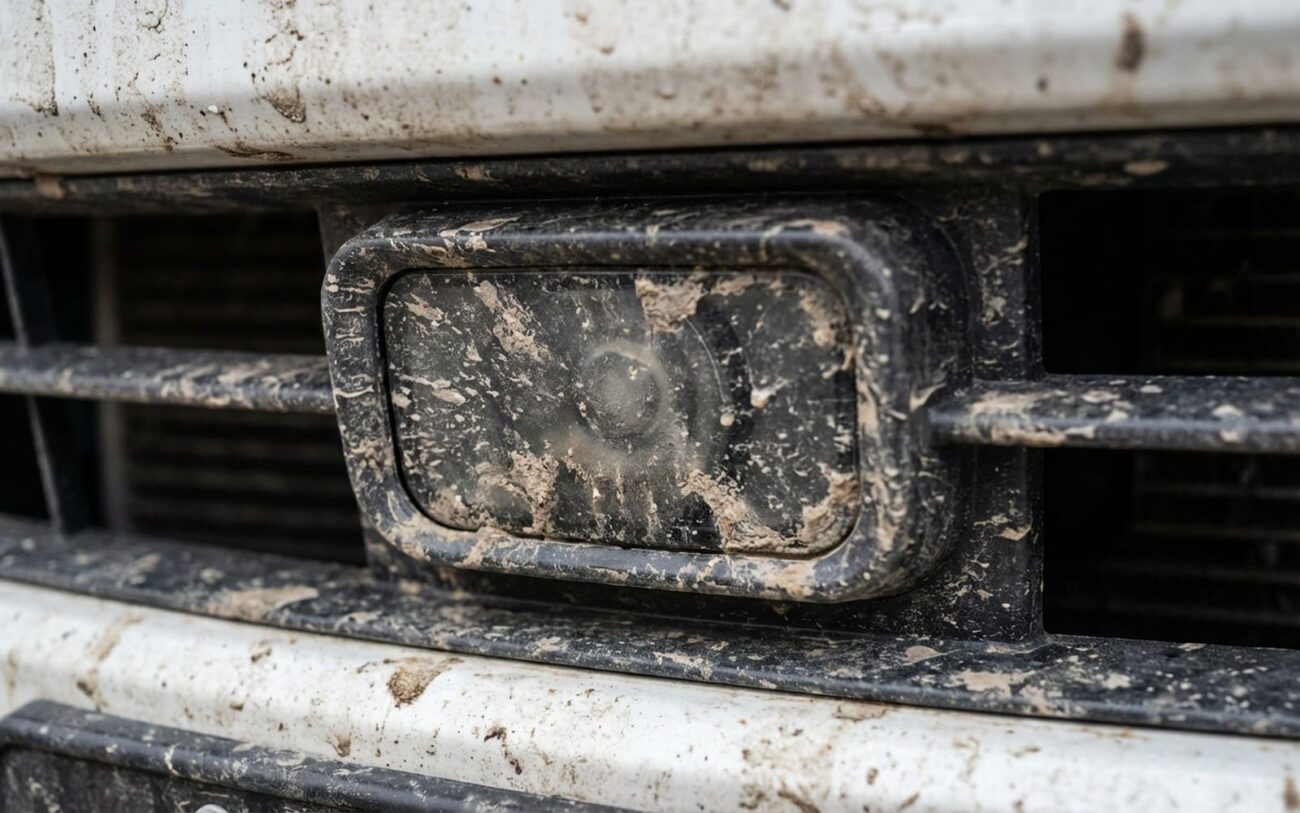
- Dirt, Grime, or Bugs: The most common culprit. A thick layer of road film, mud, snow, ice, or even a splattering of bugs on the radar cover (that plastic piece in the bumper) or the camera lens on the windshield can completely throw off the system. It’s like trying to see through dirty glasses.
- Misalignment: Even a minor bump to the front bumper – something you might not even notice – can knock the radar sensor out of alignment. We’re talking fractions of a degree here, but that’s enough to make it think a guardrail is a car, or an overpass is an impending collision. The mounting bracket might look fine, but the sensor’s angle is off.
- Damaged Wiring/Connectors: A loose or corroded electrical connector to the radar sensor or camera can cause intermittent data loss. I’ve seen critters chew through wiring harnesses too, which is always a fun discovery.
- Cracked Radar Lens: Sometimes the plastic cover over the radar unit gets a hairline crack. This can refract the radar waves incorrectly, leading to false readings.
- Fogged Camera Lens: Not just external dirt, but sometimes the inside of the windshield, right where the camera looks out, can get a film from off-gassing plastics or interior cleaners. That’s enough to blur the camera’s vision.
When It’s Likely an Internal Issue
If I’ve ruled out all the external stuff, then we start looking at the internal components. These sensors are pretty robust, but they’re not indestructible. Here’s what I’ve seen:
- Internal Signal Processing Errors: The radar module itself might have an internal fault where it’s misinterpreting its own signals, even with a clear view.
- Corrupted Software: The ACC ECU’s software can get glitched. I’ve dealt with multiple vehicles—GM, Honda, and even some European brands—where a technical service bulletin (TSB) addressed false braking under overpasses or when passing large trucks. A software update usually fixes this.
- Degraded Camera Image Processing: The camera module’s internal processing unit can fail, leading to poor image quality or misidentification of objects.
- Failed Internal Radar Transceiver or Heater: Some cold-climate models have internal heaters to keep the radar clear. If that fails, or the radar’s transmitting/receiving unit goes bad, you’ll get a “SENSOR BLOCKED” message even if there’s nothing physically blocking it.
- Circuit Board Failure: Over time, thermal cycling (heating up in the sun, cooling at night) can create hairline cracks on the internal circuit board of the sensor or module. A minor front-end impact, even without visible bumper damage, can also damage the internal antenna array.
My Diagnostic Process: Getting to the Real Problem
You can’t properly diagnose adaptive cruise control sudden braking with a generic OBD2 scanner. Period. You need OEM-level diagnostic access and, more often than not, specialized calibration equipment. That said, the first step should always be the simplest.
Step 1: The Visual Inspection & Cleaning (DIY-FEASIBLE)
Before anything else, I’m cleaning. I’ve seen more than a few $1,500 diagnostic guesses avoided by just wiping off a layer of road film. Use 99% isopropyl alcohol and a lint-free microfiber cloth. Avoid household glass cleaners—they can leave residues that scatter light or interfere with sensors. Gently wipe the radar cover (behind the bumper) and the windshield section in front of the camera. Also, check the electrical connector—make sure it’s fully seated and latched. Some manufacturers, like Honda, specifically recommend this method in their service literature. It costs almost nothing and takes five minutes. If this fixes it, great!
Step 2: Advanced Diagnostics (Professional Only)
If cleaning doesn’t cut it, it’s time for the heavy artillery. This is where a professional shop with the right tools comes in.
- Factory Scan Tool: We’ll connect a factory-level scan tool to monitor specific data points. The most telling is the “Target Object List” during a test drive. If the system is detecting a solid object where none exists, that’s a strong indicator of an internal fault or severe misalignment. We can also verify heater operation (if equipped) and signal strength.
- Alignment Checks: For alignment, we use an OEM-approved jig and target board. These are precisely placed in front of the vehicle, and the scan tool then guides us to verify the sensor’s angle. Torque specs matter here too; some Ford and GM models, for example, require 22 Nm on the mounting bolts. If the bracket is bent or the sensor was disturbed (say, after a bumper repair), it needs recalibration.
- Wiring & Connector Tests: A “wiggle test” on the connector while monitoring live data can catch intermittent faults. We’re looking for any drops in signal or power as we gently manipulate the wiring.
- Ruling Out Other Systems: It’s important to differentiate phantom braking from other issues. If your ABS light is on or a wheel speed sensor is faulty, that’s a separate system problem, not ACC phantom braking. Likewise, if the windshield is dirty and the camera can’t see, that’s user maintenance, not a failed module. Keeping these boundaries clear helps avoid misdiagnosis.
Getting It Fixed: Your Options & My Advice
Once we’ve pinpointed the problem, here’s how we typically fix it, from the simplest to the most involved:
Cleaning the Sensor and Camera Area DIY-FEASIBLE
Sensor Realignment Professional Only
Sensor or Module Replacement Professional Only
Temporary Reset Temporary
How I Know It’s Actually Fixed (And Why You Should Too)
Just because a warning light is off doesn’t mean the problem is solved. Verification is absolutely critical, especially with safety systems like ACC.
After a simple cleaning, the real test is a good 50-mile mixed driving cycle—highway, city, hills, overpasses. The ACC should remain active and, crucially, not trigger any false braking. If it does, something else is still wrong.
After an alignment or sensor replacement, the shop must use a factory scan tool to confirm successful calibration. The system should report “calibration complete” and show alignment angles within spec—often within ±0.2 degrees. Then, during a road test with the scan tool still connected, the technician needs to monitor that “Target Object List” I mentioned earlier. On a clear road, it should show no false detections. Any phantom target means the alignment is off, or the sensor is still faulty.
This step is non-negotiable. I’ve seen too many cars come in with “repaired” sensors that were never properly calibrated. The customer thinks they’re safe, but the system is still misreading the environment. Don’t let your shop skip this part.
The Cost and the Tough Choice
Let’s talk numbers. These repairs can get expensive fast, and the cost has to be weighed against the vehicle’s value. Here’s a general breakdown:
| Repair Type | DIY Cost | Shop Cost | Success Rate | Secondary Risk if Failed |
|---|---|---|---|---|
| Cleaning sensor/lens | <$10 | $50–$100 | High if contamination was the sole issue | None. It’s a low-risk first step. |
| Sensor alignment | Not feasible (special tools required) | $150–$400 | Very high if the sensor and bracket are undamaged | Persistent phantom braking or system deactivation if alignment is off. |
| Sensor/module replacement + calibration | Part only: $800–$2000 | $1200–$2500+ | High for confirmed hardware failure | Potential DOB (dead on arrival) unit or calibration error requiring rework. |
When the repair cost starts approaching 30% of the car’s market value, some owners, understandably, choose to disable the system permanently. This can sometimes be done by pulling the ACC fuse or using a scan tool to deactivate the function in software. But be cautious: tampering with safety systems can affect insurance claims, resale value, and potentially even violate state regulations regarding driver assistance features. It’s a last-resort option, but for older vehicles, it’s not uncommon.
Keeping Your ACC Happy: Prevention & What to Watch For
Prevention is pretty straightforward, mostly common sense stuff. Wash the front of your vehicle regularly, paying special attention to the radar cover and the windshield area near the camera. Avoid heavy waxes or ceramic coatings on the radar area—they can interfere with signal transmission. Just mild soap and water is all you need there.
Keep that windshield clean on both sides. Interior film from off-gassing plastics or cleaning sprays can blur the camera’s view just as much as exterior grime. And after any front-end work—even a minor fender bender—insist on a sensor alignment check. You might not see damage, but the sensor’s position could be off by a fraction of a degree, and that’s enough to cause problems.
For Early Detection
-
Pay attention to patterns. Does the false braking only happen in rain, at dawn, or on certain highways? That kind of detail helps us technicians diagnose intermittent issues.
-
If you start seeing “ACC UNAVAILABLE” more often, don’t wait. Get it checked. That message is the system telling you it’s losing confidence in its own data—and that’s usually the first sign of a bigger issue brewing.
Software Updates
This is a big one. Stay updated on manufacturer software releases. Many phantom braking issues are resolved through ECU updates. Check with your dealer or a trusted independent shop to see if there are any pending updates for your model. It could save you a costly repair down the road, and I’ve seen it fix some really head-scratching problems.
