Your EV Brake Pads Aren’t Wearing Out? Here’s Why (And What to Watch For)
Alright, let’s talk about EV brakes. I’ve had countless customers bring in their Teslas or other electric vehicles, scratching their heads, asking why their brake pads still look brand new after 80,000 miles. And I’m telling you, you’re not seeing things. It’s completely normal.
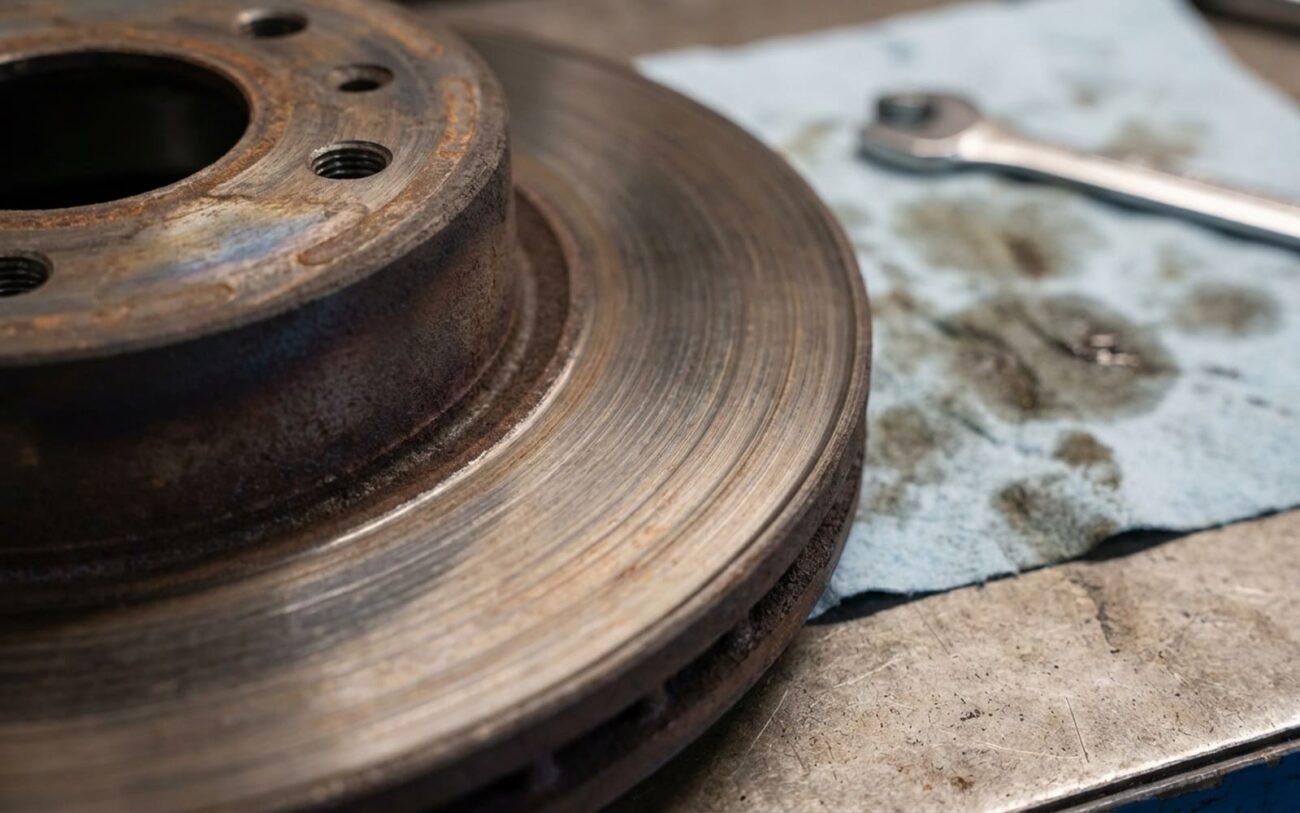
Think about it: on a gas car with that kind of mileage, you’d likely be on your second, maybe even third set of pads. But with an EV, you’re looking at 7-8mm of material left. You might also notice a bit of surface rust on the rotors, especially after the car sits overnight or in damp weather. And your wheels? They stay clean, no black brake dust. These aren’t quirks, folks. This is your regenerative braking system doing exactly what it was designed to do.
How Regen Saves Your Brakes (The Technical Bit)
Here’s the deal: conventional brakes work by friction. You push the pedal, pads squeeze the spinning rotors, kinetic energy turns into heat, and your car slows down. Every single time. In an EV, that’s mostly not what’s happening. When you lift off the accelerator, the electric motor switches gears, so to speak. It stops driving the wheels and starts acting like a generator. That resistance slows the car down, and all that kinetic energy gets converted back into electricity and sent right back to your battery. No friction involved, no wear on your pads. That’s why they last so long. In ideal conditions, these systems can actually recapture up to 70% of the energy that would otherwise just be wasted as heat.
Is It Normal, Or Is Something Wrong? (My Diagnostic Approach)
It’s fair to question what you’re seeing. Most of the time, especially with modern EVs, it’s just regen doing its job. But I’ve seen other things that can mimic the symptoms. So, it’s worth doing a few quick checks to rule out any red herrings.
| Symptom | Likely Cause (Normal) | Common Mimics (Not Regen) | How I Confirm It |
|---|---|---|---|
| Reduced Pad Wear | Strong regenerative deceleration. | Very conservative driving habits, minimal city traffic, or vehicle stored for extended periods. | I’ll hook up a scan tool and monitor the regen power (look for negative kW values) during deceleration. If it’s consistently high, regen’s working. |
| Rusty Rotors | Regen handling almost all the slowing down, leaving friction brakes idle. | The car has been sitting for a long time, especially in damp conditions. | I’ll clean the rotors up a bit, then tell the customer to drive about 50 miles, making sure to use the friction brakes a few times. If there are no clean, swept areas on the rotors, those friction brakes aren’t engaging much. |
| Low Brake Dust | Minimal contact between pads and rotors. | The car might have ceramic brake pads installed (they produce less dust naturally). | I’ll take it for a spin and perform a few hard stops, really leaning on the brake pedal. If I see dust on the wheels after that, then the previous cleanliness was definitely due to regen. |
What To Do When That Wear Pattern Changes
First, Check It Yourself: “Excessive” Wear DIAGNOSTIC-ONLY
If You’ve Confirmed a Regen Failure PROFESSIONAL-ONLY
Look, a failed regen system isn’t something to mess with. We’re talking high-voltage components here, and that absolutely requires a certified technician. The root cause could be anything from a simple software glitch to a faulty sensor, or even a major hardware failure in the motor or inverter. Interestingly, I’ve seen cases where a malfunctioning steering angle sensor can throw off the stability control system, which then disables regen as a safety precaution. It’s complex, so don’t try to DIY this one.
Making Sure The Fix Actually Worked
After a regen system repair, don’t just assume everything’s good because the warning light is off. I always tell my guys: you need to validate the performance. The key here is data. We use an OEM-level scan tool to monitor the difference between the commanded regen torque and the actual motor output. They should match up pretty closely, usually within about 10%.
The best test, in my opinion, is either on a chassis dyno or a consistent downhill route where you can data-log the regen power. You’re looking for strong, sustained negative kW values when you lift off the accelerator. Most importantly, the car should feel like it did before the problem – strong, predictable deceleration without you having to touch the brake pedal much.
The Cost of Ignoring a Regen Problem
I know nobody likes repair bills, but letting a regen issue go can cost you a lot more in the long run. Here’s a rough breakdown of what you’re looking at:
| Repair Type | DIY Cost | Shop Cost | Success Rate | Secondary Risk (If Ignored or Done Wrong) |
|---|---|---|---|---|
| Regen System Diagnosis | $0 – $100 (for a basic scanner) | $150 – $300 | 100% (if done right) | A misdiagnosis here means you’re replacing expensive parts you don’t need. |
| Inverter/Motor Repair | N/A (Don’t even think about it) | $2k – $8k+ | High (if done by pros) | High-voltage hazards are no joke. Plus, a botched job can lead to repeat failures and more expense. |
| Pad/Rotor Replacement | $200 – $600 | $400 – $1,200 | 100% (for the brakes) | This is just treating the symptom. Your new pads will wear out just as fast, and you haven’t fixed the underlying regen problem. |
Keeping Your Regen System Healthy for the Long Haul
My Maintenance Checklist:
-
Coolant Changes: Stick to the manufacturer’s coolant change schedules for your battery and drive units. Overheating is a killer for these systems.
-
Gear Oil: Use only OEM-specified gear oil. It helps maintain motor efficiency and keeps drag to a minimum.
-
Monitor Your Display: Keep an eye on your power display for strong regen bars when you lift off the accelerator. If it consistently stays weak, get it investigated.
-
Annual Pad Inspections: Even though they last forever, I still recommend an annual brake pad inspection with a thickness gauge. It’s the best way to catch any abnormal wear patterns early.
Remember, EV brake life is fundamentally different from what you’re used to. You’re not “avoiding wear” by driving gently — you’re benefiting from some seriously smart engineering. But that system has to stay functional. Treat it right, and your brake service costs, brake dust, and rotor replacements will stay low for years to come. Ignore it, and you’re asking for trouble.
