That TPMS light on your dash? Yeah, I know the look. You’ve checked the pressures three times, they’re spot on, and still—it won’t go out. Or worse, it’s flashing like it’s trying to send Morse code. Let me tell you: this isn’t just a tire pressure issue. Not anymore. After 25 years in the bay, I can say this with confidence—when TPMS won’t clear, you’re dealing with electronics, programming, or both. And no, there’s no magic “off” button on most U.S.-spec vehicles. That’s not an oversight. It’s by design.
What the Light Is Actually Telling You
First—get this straight: the TPMS bulb check at startup means nothing. Every car does that. But if the light stays on solid after 30 seconds, that’s a warning. If it flashes for 60 to 90 seconds and then goes solid? That’s a fault code in disguise. I can’t count how many customers have told me, “I reset it, but it came back.” Resetting doesn’t fix a dead sensor or a software lockout. It’s like clearing a check engine light without fixing the misfire.
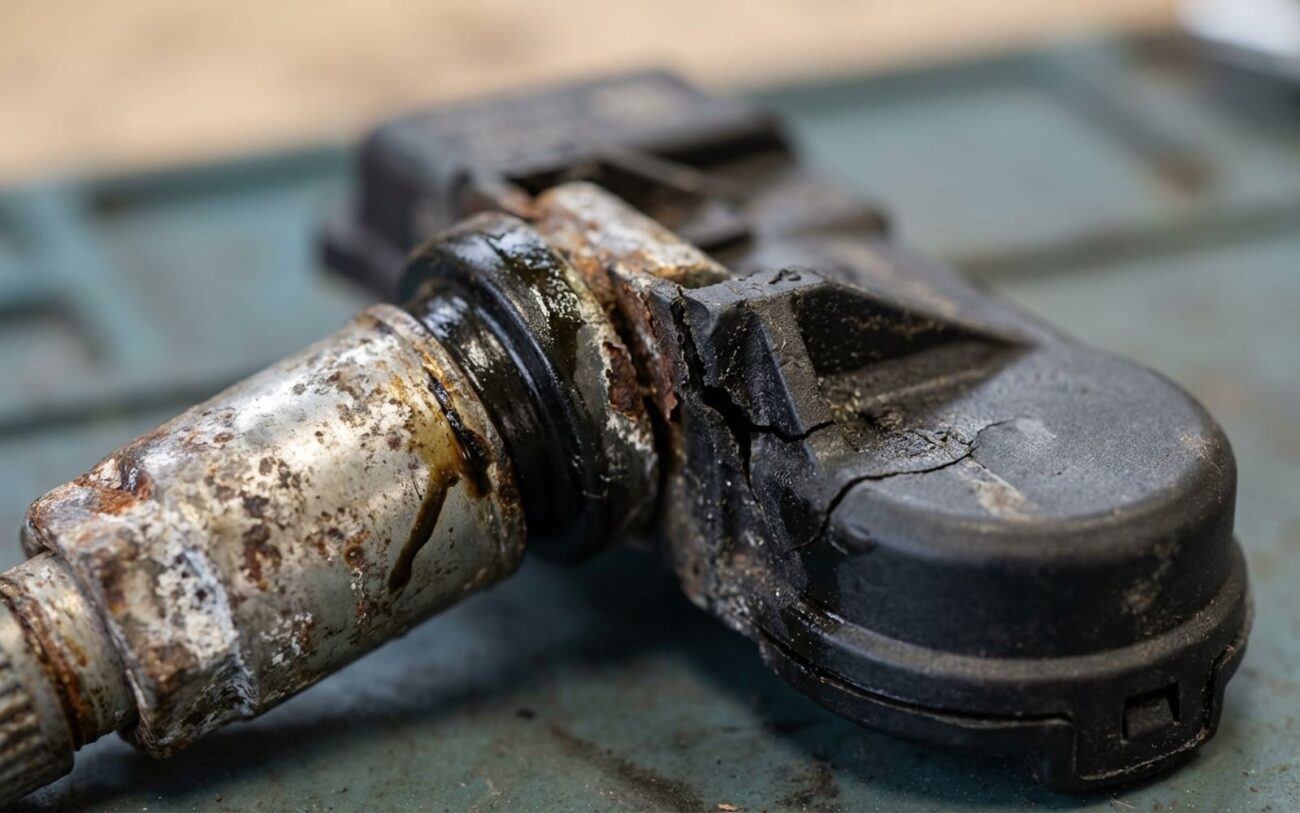
Flashing means communication failure. Period. Could be a dead sensor battery (they only last 7–10 years), a corroded valve stem, or the receiver module not picking up a signal. On indirect systems—like those on some VWs and Toyotas—it could be bad ABS data or mismatched tire sizes throwing off the algorithm.
Diagnosis: Stop Guessing, Start Testing
I don’t care what the internet says—throwing parts at TPMS is a waste of money. You need tools. At minimum: an OBD2 scanner that reads body modules, and a TPMS activation tool. I use the Bartec 360—solid, reliable, and it tells me everything: sensor ID, battery voltage, pressure, temperature. If you’re not using one, you’re working blind.
Here’s how I break it down in the shop:
| Symptom | Likely Cause | Test |
|---|---|---|
| No TPMS disable option in menu | Vehicle coded for U.S. market (FMVSS 138 compliance). The disable function isn’t just hidden—it’s not in the software. |
Pull the FASTA or Vehicle Order Code with a factory-level scan tool. If it says “US” or “CAN,” the disable option was never programmed in. No amount of menu diving will fix that. |
| TPMS light on, pressures correct | Failed sensor (direct TPMS) or incorrect tire diameter input (indirect TPMS) |
Use a TPMS tool to activate each sensor. No response from one? That’s your culprit. On indirect systems, check ABS wheel speed data—uneven readings mean the system can’t calibrate. |
| System won’t learn new sensors | Software lockout or incompatible sensor (315MHz vs 433MHz) |
Verify frequency and protocol. Then try relearn with OEM software. If you get “Function Not Available,” the system is locked. |
Fixes That Work (and One That Doesn’t)
Replace the Failed Sensor
Recode the Vehicle (If You’re Committed)
Forget It—Live With It
Sensor Simulators (Don’t)
Did It Actually Work?
After a sensor replacement: start the car, let it idle for 2 minutes. Light should blink, then go out. Take it for a 10-minute drive—TPMS needs vehicle motion to poll all sensors. Then scan it. All four IDs present? Pressure and temp reading normal? Good. If the light comes back in three days, you’ve got a weak battery or bad install.
If you recoded the vehicle: double-check the market setting. Then test everything—lights, chimes, units. I once changed a 3-series to ROW and the turn signal chime disappeared. Took an hour to trace it back. Also, clear any pending DTCs. Some modules throw a fit when they see a “new” configuration.
Keeping TPMS Alive Longer
Sensors die faster when you skip the service kit during tire changes. Moisture gets in, corrosion sets in, battery drains. I’ve pulled sensors that looked fine—until I saw 0.8V on the battery test. Dead in six months. Always use a new grommet, core, and nut. Torque the stem to spec. And for god’s sake, don’t use an impact gun on it.
On indirect systems, if you change tire size—even by 10mm—reinitialize the system. On a Subaru? Hold the TPMS button for 10 seconds until the light blinks. On a Toyota? It’s in the settings menu. Skip this, and the system thinks you’ve got a leak every time you turn a corner.
What I Do to Prevent TPMS Headaches
-
Always replace the TPMS service kit—every time. $15 part saves a $100 callback.
-
On indirect systems, reinitialize after any tire size change—no exceptions.
-
Check sensor battery voltage during annual maintenance—catch it before it dies.
-
If the light flashes at startup, don’t ignore it. That’s your last warning before total failure.
Bottom line: TPMS isn’t perfect, but it’s not useless. I’ve had customers tell me they “don’t trust” it. But the system doesn’t lie. If the light’s on, something’s wrong—either in the tires, the sensors, or the software. Diagnose it like any other system: test, don’t guess. Fix the real issue. And if you’re thinking about disabling it just to silence the light? You’re not saving money. You’re just betting your safety on a roll of the dice.
