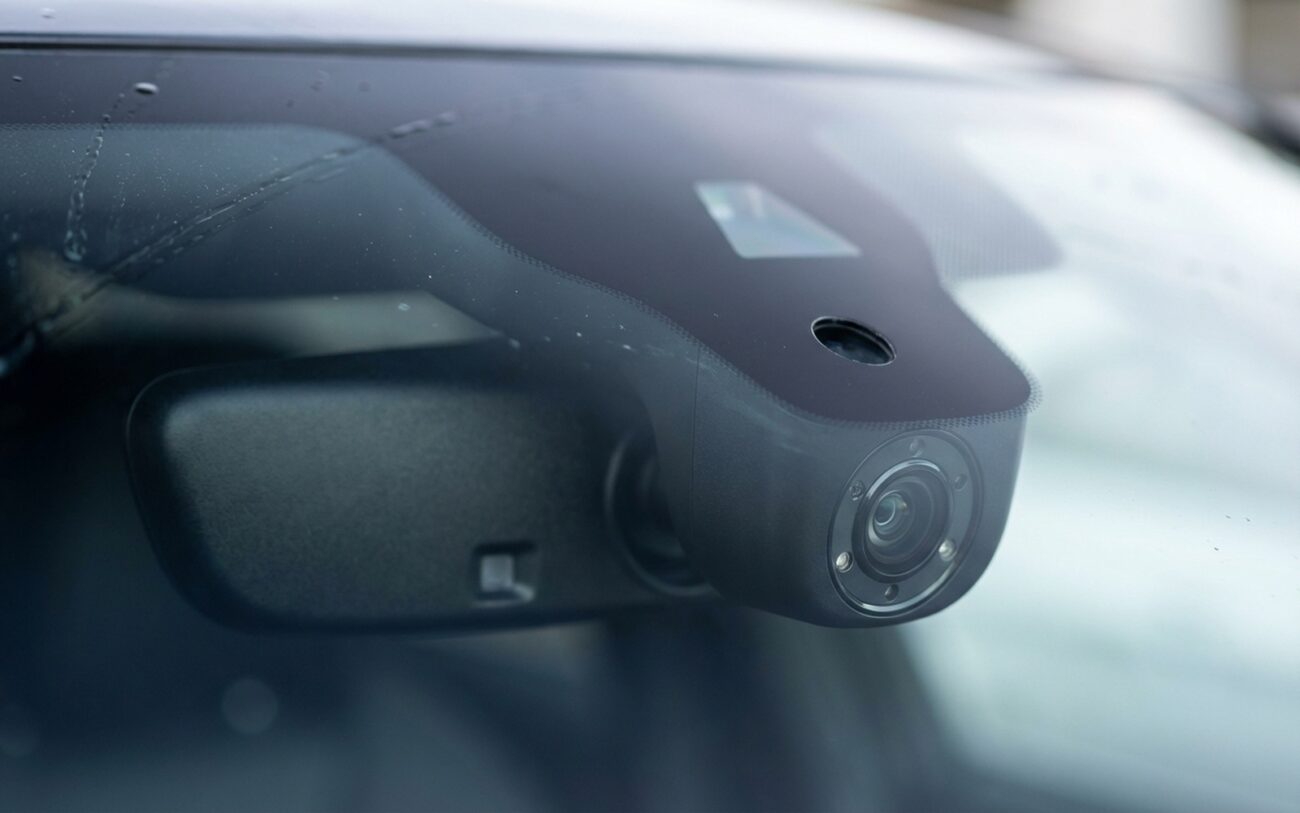
Fog lights turning on by themselves? Staying on all the time? Or not coming on when you’re driving through pea soup fog? I’ve seen this exact issue on everything from Audi A4s to Ford Explorers—and more often than not, it’s not the switch, not the relay, and not some mystery in the BCM. It’s the rain/light sensor behind the windshield. But—and this is a big but—you don’t just yank it out and throw a new one in. That’s how you end up with a $600 repair that doesn’t work because you skipped calibration or misdiagnosed the real problem.
Three Real-World Symptoms — And What They Actually Mean
I see three main patterns in the shop. Let’s cut through the noise and talk about what each one really points to.
1. Fog lights come on for no reason. Rain’s not falling, it’s not dusk, and you didn’t touch the switch—but there they are, front or rear fog lights glowing away. This one’s almost always the rain/light sensor feeding bad data. The module behind the mirror thinks it’s midnight in a monsoon when it’s actually sunny and dry. Could be a software hiccup in the BCM? Sure. A short in the harness? Possible. But in my experience—especially on BMWs, Mercedes, and Volvos from 2010 onward—it’s the sensor. I’ve replaced more than a few only to find the optical gel was milky white and delaminated.
2. Fog lights stay on, no matter what. Not intermittent. Not flickering. Just stuck on. That’s a hard failure—either the sensor’s output driver is shorted internally, or the solid-state relay it controls has welded shut. I test this by unplugging the sensor. If the lights go off, the sensor’s the culprit. If they stay on, I’m looking downstream: relay, wiring, or BCM output. But again, in most cases, it’s the sensor. And yeah, I’ve seen guys replace the relay three times before someone finally checked the data stream.
3. No activation when you actually need it. You’re in heavy fog, the roads are slick, and the automatic system does nothing. Before you declare the sensor dead, check the easy stuff: Is the windshield clean? Is the auto-light function even enabled in the menu? On some Land Rovers, that setting hides three layers deep in the infotainment. But if everything’s set right and the lights still don’t come on, the sensor’s likely toast. The infrared emitters or photodiodes have worn out. They don’t last forever—especially in Arizona or Florida, where UV exposure cooks them over time.
How to Prove It’s the Sensor — Not Guessing, Testing
You don’t replace parts based on symptoms alone. You test. Here’s what I do in the bay.
| Symptom | Likely in Sensor | Other Possibilities | How to Confirm |
|---|---|---|---|
| Uncommanded activation | False readings from degraded optical gel or internal logic fault | BCM glitch, short to power, faulty headlight switch |
Scan tool: monitor real-time “Rain Intensity” and “Ambient Light.” Spray water. If values don’t change but lights turn on, the fault is downstream. If it reads 90% rain on a dry windshield? Sensor’s lying. |
| Permanent on | Internal short in output circuit | Stuck relay, shorted control wire, damaged harness |
Unplug the sensor. Lights go off? Sensor’s bad. Still on? Check relay and wiring. Also: test for voltage at the sensor’s output pin with a multimeter—should be zero when off. |
| No activation | Failed emitters or receivers | Dirt, misconfigured setting, CAN bus issue |
Clean glass first. Then use scan tool to recalibrate. If “Rain Intensity” doesn’t spike when you spray, and “Ambient Light” doesn’t drop when shaded—the sensor’s dead. Also check lens for cloudiness. |
What Actually Breaks Inside — And Why Replacement Is the Only Fix
These sensors are sealed. No field repair. But knowing what fails helps you explain why a $400 part is necessary.
The optical coupling gel—the clear adhesive between the sensor and the windshield—degrades over time. Thermal cycling cracks it, UV exposure yellows it. When that happens, light scatters instead of transmitting cleanly. I’ve pulled units where the gel looked like old glue on a Post-it note—cloudy, separated, useless.
The infrared LEDs and photodiodes wear out. They’re solid-state, but they don’t last forever. After 8–10 years, especially in sunbelt states, output drops. Sensitivity fades. The sensor “goes blind.”
Solder joints crack from expansion and contraction. I’ve seen microfractures on the power regulator chip—intermittent at first, then total failure. No way to fix that.
Moisture ingress? Less common, but when it happens, corrosion kills the board. Look for white powder on traces or condensation in the lens.
And yes—some models have known software bugs. Certain Mercedes units will trigger fog lights at 3 a.m. on clear nights. Factory fix? New sensor plus BCM update. Not a wiring issue. Not user error. Documented flaw.
Replacing It Right — Skip This and It Won’t Work
You can’t just plug in a new sensor and walk away. It’s not like swapping a headlight bulb. This is calibration-critical.
First—get the right part. OEM or high-end aftermarket only. I’ve seen generic sensors fail in six months because they skip the calibration handshake. Part number must match. No exceptions.
Mounting matters. Some use a bracket, some use adhesive. Either way, clean the glass with isopropyl alcohol. No residue, no grease, no film. I’ve had sensors fail calibration because someone used glass cleaner with silicone.
Then calibrate. This isn’t optional. On BMWs, you need ISTA. On Fords, you might get by with a J2534 tool. The process varies: some need a dark garage, some need spray patterns, some need the scan tool to simulate rain. Skip it, and the system either won’t work or will trigger randomly.
And if the only symptom was no activation? Try cleaning first. Takes five minutes, costs nothing. Won’t fix a dead sensor, but might save you a trip to the parts counter.
Did It Work? Here’s How to Know for Sure
Don’t hand over the keys until you’ve tested it.
Real-world check: Park in shade, set headlights to auto. Spray the windshield. Fog lights should come on in 20–30 seconds. Wipe it dry, move into sunlight—they should turn off within a minute.
Scan tool check: Monitor “Rain Intensity.” Should jump from 0–5% to 80–100% when wet. “Ambient Light” should drop when shaded. If data matches reality, and lights follow, you’re good.
If not? Re-run calibration. Some systems fail the first try if there’s glare or vibration. And yes—I’ve had to do it twice on a 2018 Audi because the shop lights were too bright.
Is It Worth It? The Cost vs. Value Call
| Repair | DIY Cost | Shop Cost | Success Rate | Risk if Failed |
|---|---|---|---|---|
| Sensor + Calibration | $200–$500 (part) + $200+ for scan tool access | $400–$800 | 95%+ (if calibrated) |

|