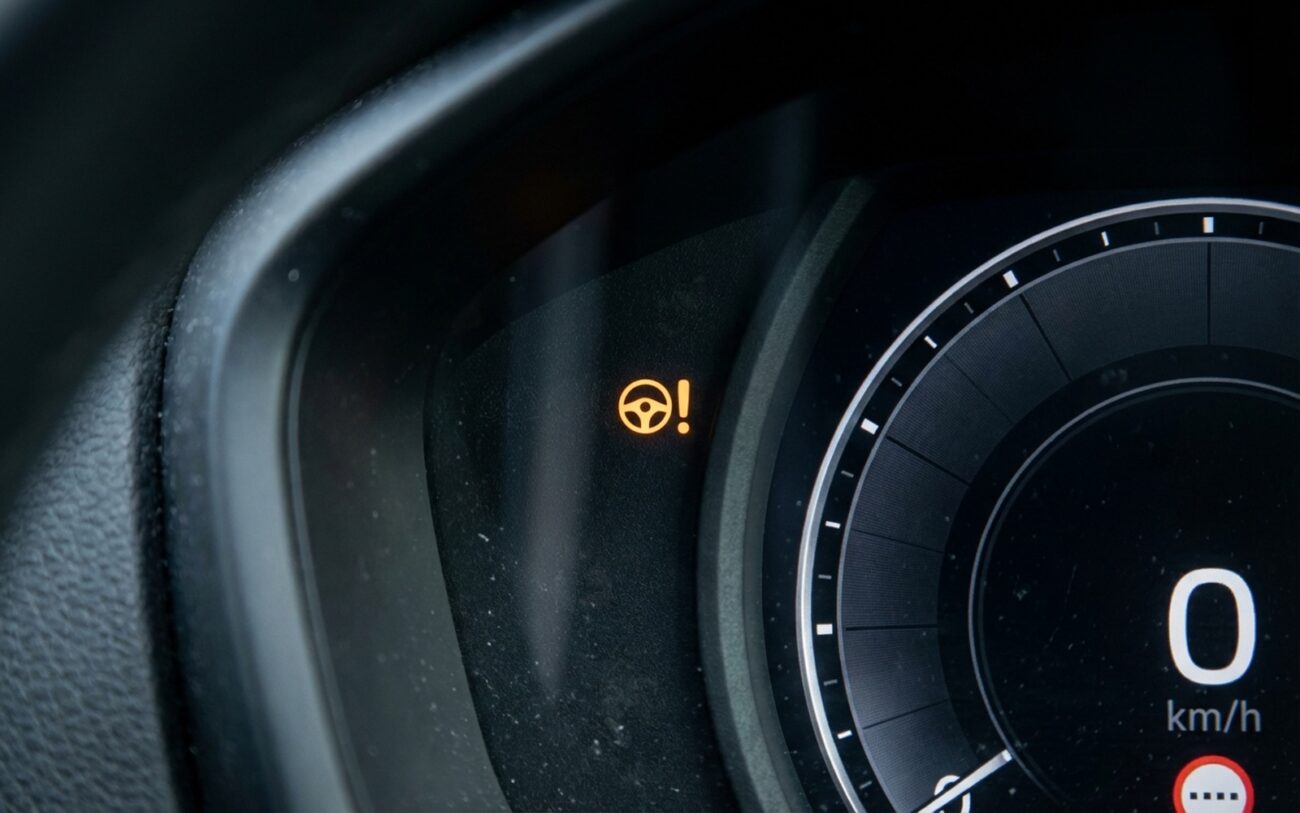
When the Steering Feels Off: Recognizing the Symptoms
When a customer comes in complaining that the steering feels like it’s got a “dead spot,” or it’s just plain sluggish and delayed, my ears perk up. It’s not always a mechanical issue anymore, especially with modern vehicles. Electronic Power Steering (EPS) systems are complex beasts, and sometimes, the problem isn’t in the hardware, but deep in the control module’s brain – the software.
What I typically hear is that the lag isn’t constant. One day the car steers perfectly, the next it feels like you’re wrestling it into a parking spot or navigating a tight turn at low speed. It’s intermittent, unpredictable, and frankly, it can be unnerving. I see this a lot in newer cars with drive-by-wire steering – think Mercedes, BMW, Audi, and even some of the more advanced domestic models.
One of the strongest clues that you might be dealing with a software glitch is when the problem just… disappears after you shut the car off and restart it. You know, a “key cycle.” It’s like rebooting your computer when it’s acting up. The system was in some kind of fault state, and the reset cleared it. Now, don’t get me wrong, a failing torque sensor or intermittent wiring can cause similar symptoms. But when that key cycle reset consistently makes the problem vanish, and you’ve got U-codes or manufacturer-specific calibration errors showing up on the scanner, that’s when I start looking hard at the control module’s integrity or its programming.
Diagnosing the Ghost in the Machine: Is It Really Software?
The biggest challenge with EPS lag is that it feels the same whether it’s a software bug, a bad sensor, or a wiring issue. You can’t just drive it around and know. You need data, and a basic OBD2 scanner isn’t going to cut it here. We’re talking about an advanced scan tool – something like a Snap-on MODIS, an Autel MaxiSys, or ideally, the OEM factory tool (like GM’s Tech2 or BMW’s ISTA). These tools let you dive into the Electric Power Steering (EPS) module and pull live data streams.
Here’s how I break down the diagnostic process:
Symptom: Intermittent Lag, Clears After Key Cycle
This is the classic software suspect. The steering feels delayed or heavy, but a quick restart makes it go away. It’s often a faulty control algorithm or corrupted calibration data within the EPS module itself.
But hold on – don’t jump to conclusions. This can also be mimicked by a failing torque sensor, high-resistance wiring in the EPS circuit, or even mechanical binding in the steering column bushings. I’ve seen a worn upper steering column bushing create enough resistance to feel exactly like a laggy EPS. You have to rule out the mechanical stuff first.
My Definitive Test: I’ll hook up the advanced scan tool and monitor live data for the torque sensor signal and the motor command. If the torque sensor input looks clean and consistent with my steering wheel movement, but the motor command signal is lagging or stuttering, that’s a strong indicator the issue is in the software logic. The module is receiving the correct input but failing to send the correct output in real-time.
Symptom: Lag or Stiffness Immediately After Startup
If the problem is there right from the moment you start the car, it could point to an error in the module’s boot-up or initialization routine. The software isn’t loading correctly, or it’s getting stuck in a bad state.
However, this can also be a symptom of low system voltage or a failing power supply circuit to the EPS module. If the module isn’t getting consistent, clean power during startup, it can misbehave.
My Definitive Test: I’ll perform a voltage drop test on the power and ground circuits to the EPS module, especially during cranking, using a lab scope. You’re looking for any significant voltage dips or spikes. If the power supply is solid, and the problem persists, then we’re back to looking at the module’s internal processes.
Important Technician’s Note:
Always rule out the obvious hardware first. A worn torque sensor, a binding steering column, or even a dry upper steering column bushing will create resistance that feels exactly like lag. Software won’t fix those. Diagnose thoroughly; never assume it’s software just because the car is new.
The Real Culprit: When the Problem Is in the Code
Once you’ve systematically ruled out bad sensors, wiring issues, and mechanical binding, you’re left with the software itself. In my experience, there are generally three common failure points in the EPS software stack:
- The Assist Map Algorithm: This is the core logic that dictates how much power assist the motor provides based on steering wheel input, vehicle speed, and other factors. A glitch here can cause inconsistent assist.
- Corrupted Calibration Data: The module relies on specific calibration values for everything from steering angle to motor current. If this data gets corrupted, the system won’t operate correctly.
- Misfiring Fail-Safe Logic: Modern EPS systems have built-in fail-safes. If this logic has a bug, it might prematurely cut assist or enter a degraded mode when it shouldn’t, leading to intermittent stiffness.
I’ve seen this firsthand. There are known service bulletins for Mercedes and Audi, for example, where a software error caused intermittent stiffness specifically at low speeds. It’s not uncommon.
How We Fix It: The Resolution Paths
A Word on Programming Precautions
Reflashing a module is not for the faint of heart, or the ill-equipped. You absolutely need a stable voltage above 13.0V throughout the entire process. A voltage drop, even for a second, can “brick” the module, turning it into a very expensive paperweight. This is professional territory, requiring dedicated battery support units and J2534 pass-through tools. Don’t try this at home without the right gear and knowledge.
Software Reflash or Update Professional Only
Control Module Replacement Professional Only
Battery Disconnect Reset
Making Sure the Fix Actually Worked
You don’t just flash the software or replace a module and send the customer on their way. Validation is absolutely critical. After any EPS repair, I always confirm a few things:
- No DTCs: First, check for any active or pending Diagnostic Trouble Codes in the EPS system. Clear codes and re-check.
- Software Version: Confirm that the module’s software version matches the latest OEM release.
- Live Data Verification: This is the big one. I’ll take the car for a short drive, turning the wheel lock-to-lock at low speeds, all while watching the live data. I’m looking for a direct, linear relationship between the torque sensor input and the motor current command. If there’s any delay, stutter, or inconsistency in that data stream, the issue isn’t resolved, and it’s back to the drawing board.
What’s This Going to Cost and Is It Worth It?
Software Reflash
This usually covers 1.0 to 2.5 hours of labor, depending on the vehicle and OEM requirements. If the fault is purely software, this has a high success rate.
Module Replacement
This includes the cost of the new module and labor for installation and calibration. It’s necessary if internal hardware has failed or if a reflash doesn’t fix the problem.
DIY Tool Investment
For those brave enough to attempt DIY programming, this is the cost of J2534 pass-through tools and an OEM software subscription. Be warned, it’s a steep learning curve.
Preventing Problems and Catching Them Early
Proactive Steps I Recommend
-
Maintain electrical health. A weak 12V battery can cause voltage fluctuations that corrupt module memory. It’s like giving your computer brownouts – eventually, something gets messed up.
-
Avoid third-party EPS tunes. Tampering with steering software can disable critical safety features or introduce instability. It’s just not worth the risk.
-
Monitor for “soft faults.” Even if the warning light isn’t on, an advanced scan tool can often pick up pending codes or abnormal live data. Catching these early can save you a lot of money down the road.
My Early Detection Tip
If you feel even momentary stiffness or a slight delay in your steering, don’t wait for it to become a permanent, dangerous problem. Catching a software issue early often means a simple reflash instead of a costly module replacement. Trust your gut feeling about how your car should drive.
