Stuck with Your Electric Parking Brake? It’s Probably Your Battery.
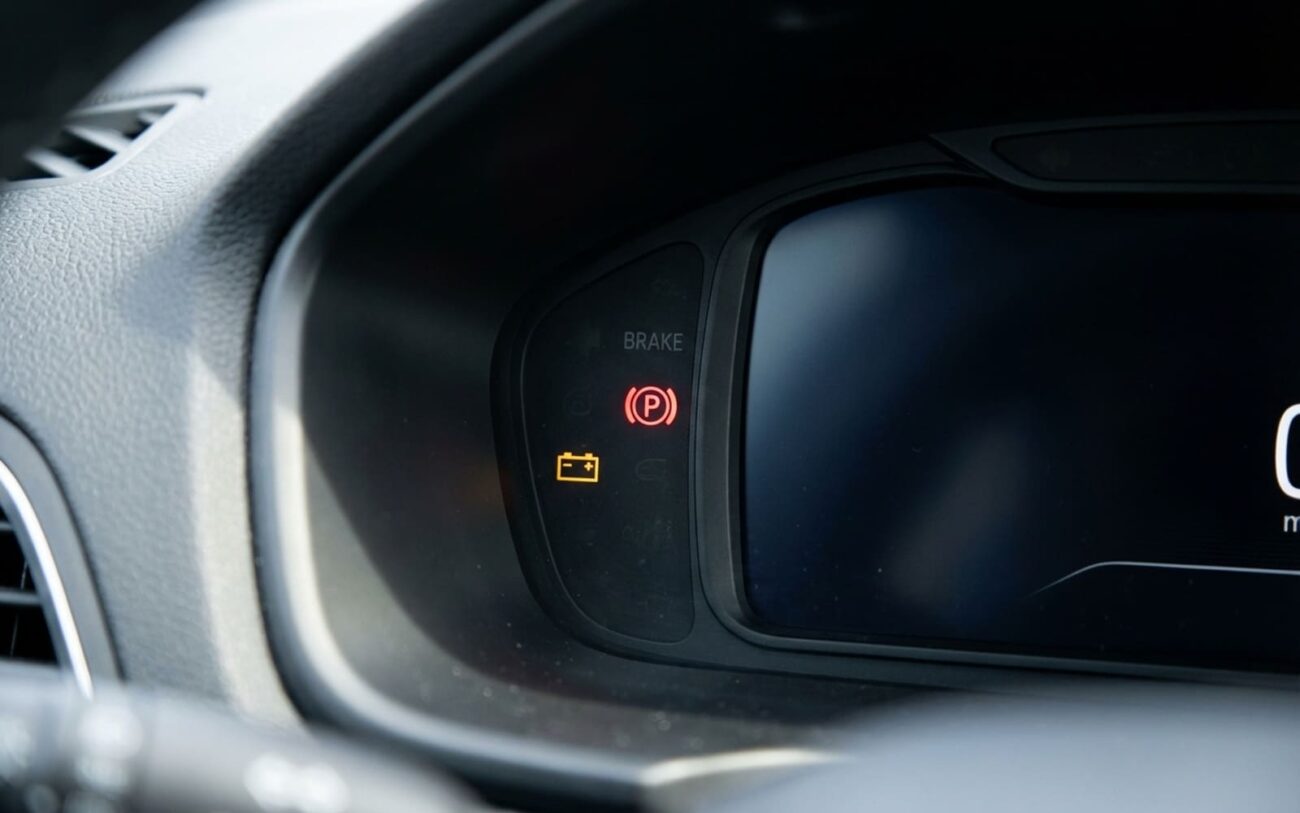
You try to drive off, but the car won’t budge. That red “P” symbol — a circle with a “P” inside — is glaring at you from the dashboard. You hit the parking brake switch, maybe you hear a faint click, but nothing happens. The electric parking brake (EPB) is engaged, and it’s not letting go.
Now, I’ve been doing this for over 25 years, and when I see this symptom in the shop, my first thought isn’t a failed caliper or a bad EPB module. It’s almost always the 12V battery. This isn’t just an inconvenience; it’s the car’s computer saying, “Nope, not enough juice to operate safely,” and locking you down.
Most folks think a dead battery means no start, no lights. But with modern cars, especially those with an EPB, a weak battery can be just as crippling. The system is designed to prioritize safety, and when it doesn’t get the stable power it needs, it defaults to a locked state. It’s a fail-safe, but it sure doesn’t feel safe when you’re stranded.
Reading: 10.4V
Why Low Voltage Locks Your EPB
It’s not just about getting enough power to move the brake motors. There are a couple of key reasons this happens:
- Minimum Operating Voltage: The EPB control module and the electric motors in your rear calipers need a certain amount of voltage to even function, usually somewhere between 10.5V and 12V. If the battery voltage dips below that, they simply won’t activate. I’ve seen batteries that read 11.8V at rest, but as soon as those motors try to draw their 20-30 amps, the voltage collapses, and the system shuts down.
- “Keep-Alive” Memory: Your EPB module uses a small amount of “keep-alive” power to remember its last state (brakes on or off). If the battery dies completely, that memory is gone. When you try to restart or reconnect power, the system doesn’t know what state it was in, so it defaults to “applied” for safety. It’s like a computer rebooting to a default setting.
Manufacturer Insight:
This isn’t some weird fluke. Manufacturers like Chrysler, VW, and BMW have issued service bulletins specifically noting that low battery charge can cause unintended EPB engagement or prevent its release. It’s a known failure mode.
My Diagnostic Approach: Where to Start When You’re Stuck
When a car rolls into my bay with this problem, I don’t reach for the scan tool first. I go straight for the battery. Voltage testing is the quickest and most definitive way to rule out the primary suspect. Here’s what I do:
-
Measure battery voltage at the terminals. With the engine off and the key out, you should see at least 12.6V. Anything less, and you’ve got a problem.
-
Monitor voltage during an attempted release. Have someone try to release the EPB while you watch the voltmeter. If the voltage drops below 10.5V (or even 11V on some systems) during that attempt, you’ve found your culprit. The module just isn’t getting enough stable power to command the actuators.
What if the Battery Voltage Looks Good?
Alright, if your battery checks out — holding a solid 12.6V or more, and not dropping significantly when you try to release the brake — then we need to look at other possibilities. These are less common, but they do happen:
- Faulty EPB switch: Sometimes the switch itself fails. It’s rare, but it’s a simple electrical check.
- Failed caliper actuator motor: These motors can burn out or seize. You might hear a weak groan or nothing at all when you try to release it.
- Corrupted EPB control module: The brain of the system can go bad, especially after repeated low-voltage events.
- Damaged wiring: A broken wire or corroded connection to the EPB module or calipers can cut off communication or power.
For these issues, you’ll likely need a good scan tool to pull fault codes and run specific diagnostic tests. But always, always rule out the battery first.
Getting You Moving Again: Resolution Pathways
Once you’ve identified the root cause, here’s how I approach getting that EPB to release.
Recharge the Battery DIY-FEASIBLE
Replace the Battery PRO-LEVEL DIY
Professional Intervention Professional Only
Emergency Release (Last Resort)
Most EPB systems have a manual override built into the caliper, usually involving a T30 Torx bit to manually retract the piston. Warning: This completely disables the parking brake. Use this only to get the car onto a flatbed tow truck. Doing this can also void warranty coverage and requires careful reassembly and calibration later. Don’t drive with the EPB manually released unless it’s absolutely necessary for a short distance to a safe spot.
Post-Repair Validation: Making Sure It’s Really Fixed
Don’t just assume the problem is solved because the car moves. Especially with battery-related EPB issues, you need to confirm the system is stable. Here’s my checklist:
Validation Checklist
-
With the engine off, your battery voltage should consistently read at least 12.6V.
-
Cycle the EPB a few times. Watch your voltmeter; the voltage shouldn’t drop below 12.0V during operation.
-
If you have a scan tool, perform an EPB module adaptation or initialization. This ensures the module has properly reset and learned its new parameters.
-
Run bidirectional tests to confirm both left and right calipers respond cleanly and fully actuate.
Prevention: Keep Your Battery Healthy, Stay Mobile
The best repair is the one you don’t have to do. Preventing EPB lock-up due to a weak battery is pretty straightforward:
My Advice:
If you’re not driving your car regularly — say, parking it for more than two weeks — invest in a decent battery maintainer. It’s a $40-$60 investment that prevents deep discharge and extends battery life. For any vehicle over three years old, get an annual battery load test, especially before winter. A simple voltage check won’t tell you if a battery is truly weak and about to leave you stranded.
