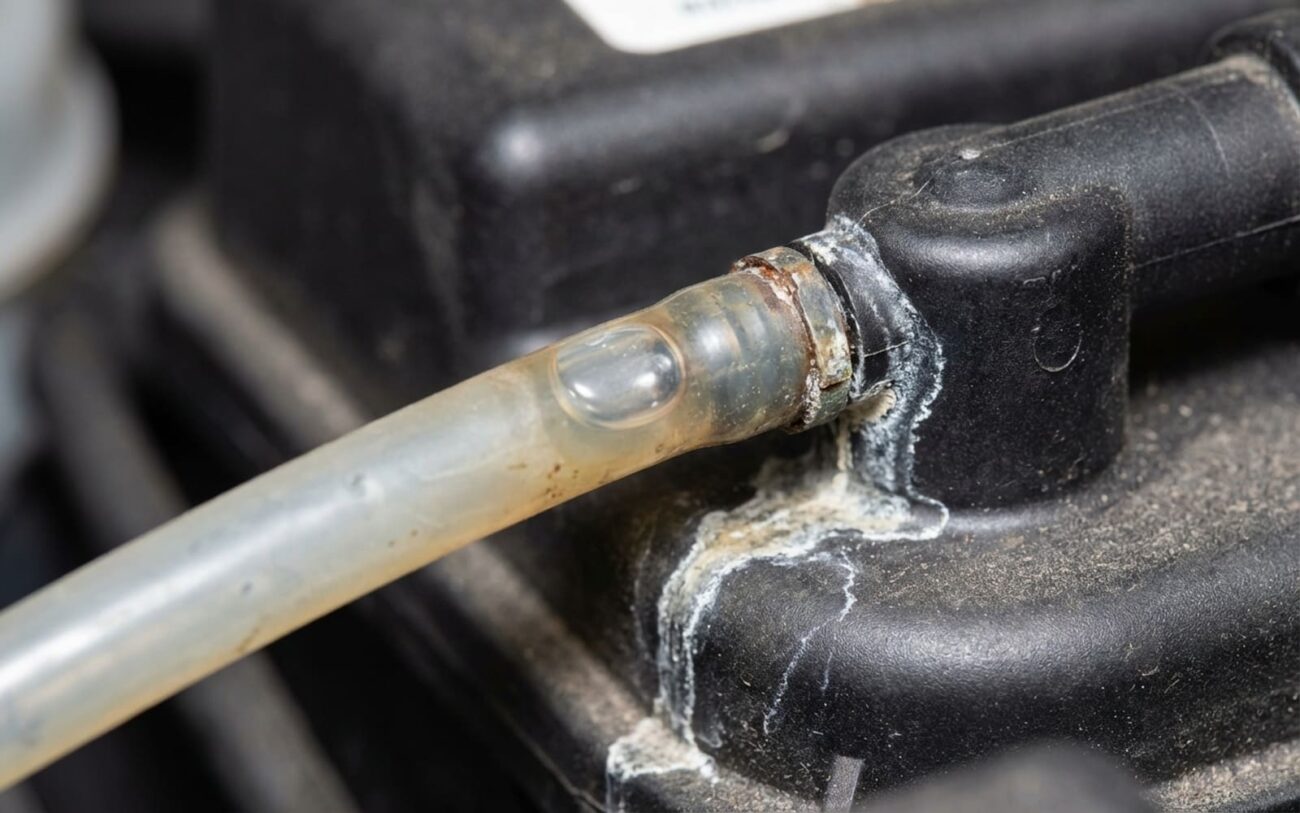
You hit the washer switch and hear a loud buzz—no spray, just that annoying whine from under the hood. I’ve torn into hundreds of these systems over the last 25 years, and let me tell you: that sound isn’t just irritating. It’s your pump screaming for help. The motor’s spinning, but something’s blocking flow—clog, air, or maybe a failing check valve. And every time you mash that lever, you’re cooking the windings. Do it enough, and you’ll kill a pump that didn’t need replacing in the first place.
What That Buzz Really Means
If you hear the buzz, the electrical side is alive—fuse good, switch working, power getting to the pump. That’s half the battle. The problem is mechanical: either the pump can’t move fluid, or there’s no fluid to move. Most modern systems cut out after 3–5 seconds if there’s no flow. That’s a built-in safety, but it doesn’t stop the damage. I’ve seen motors burn out after just a few repeated tries.
The buzz itself? It’s the impeller spinning dry or fighting a blockage. Either way, it’s overheating. And once those windings degrade, you’re not fixing it with a flush or a pin.
Symptom → Diagnosis → Fix (The Real Order)
Start here: reservoir full? I know it sounds dumb, but I’ve diagnosed “dead pump” on three vehicles this month—empty tanks. All three owners swore they’d just filled it. One had a cracked reservoir leaking onto the fender liner. So check fluid first. Then move downstream.
Next: disconnect the outlet hose at the pump. Activate the switch. If fluid sprays out, your pump and inlet line are fine—the issue is in the nozzles or hoses up front. If nothing comes out, now you’re in the problem zone.
| Symptom | Likely in Washer System | Common External Mimics | Definitive Test to Confirm Source |
|---|---|---|---|
| Pump buzzes, no fluid | Clogged inlet screen, air lock, failed check valve (common on GM and Ford). | Empty reservoir, split hose before pump, seized motor (rare). |
1) Confirm reservoir is full and intact. 2) Disconnect outlet hose at pump—activate switch. Flow? Problem is downstream. No flow? Remove pump, inspect inlet screen. 3) Test for 12V and ground at connector during activation. Buzzing with voltage = mechanical issue (clog or air). No buzz? Check fuse, relay, switch. |
Root Causes: What I Actually See in the Bay
Air in the pump (loss of prime): Happens when the reservoir runs dry or there’s a tiny leak in the supply hose. Washer pumps aren’t self-priming. Once air gets in, the impeller spins but can’t generate pressure. Common on older Fords where the hose from tank to pump gets brittle and cracks near the clamp. And if the check valve is weak—especially on GMs from 2008–2014—the fluid drains back when parked on a hill. Next time you hit the switch, it buzzes until it re-primed (if it ever does).
Clogs: Three usual spots. First and most common: the inlet screen on the pump. It’s a tiny mesh filter—about the size of a dime. Pull the pump, and it’s often packed with gunk. Second: in-line check valves. Some manufacturers (VW, BMW) build them into the hose. They fail internally—no way to clean them. Third: the nozzles themselves. Road grime, salt, dead bugs—they all end up there.
Where does the junk come from? Bad fluid. I’m looking at you, dollar-store washer fluid. And plain water? Worse. It leaves mineral deposits, promotes algae, and in winter, freezes and cracks the housing. On a 2016 Silverado last winter, I pulled a pump with ice shards still wedged in the impeller. Owner swore he used “winter fluid”—turns out it was half water, half windshield cleaner from a gas station.
How I Fix It (Step by Step)
Re-prime an air-locked pump
Fill the reservoir to the top with proper washer fluid—Prestone, Rain-X, or OEM. Locate the pump (usually clipped to the side of the tank). Find the outlet hose (small plastic barb). Disconnect it, point it into a cup. Hit the washer switch in 1-second bursts. You’ll likely get sputtering at first. Keep pulsing. Once you see a steady stream, reconnect the hose. Done. This works on 9 out of 10 air-lock cases. (Yes, you can use compressed air—low pressure only, under 30 psi—blow backward through the hose to force fluid up.)
Clean the inlet screen or nozzles
Remove the pump—usually one screw or a twist-lock clip. On the intake tube, you’ll see a small mesh screen. Pull it off (sometimes it’s glued, sometimes removable). Rinse under warm water, scrub gently with an old toothbrush. No bristle damage. For nozzles: use a sewing needle, not a drill bit. Gently poke—don’t widen the hole. Misaligned spray pattern ruins visibility. On BMWs, I use compressed air from the nozzle end—backflushes the line. Works better than poking.
Replace clogged lines or failed check valves Professional Only
If fluid won’t move and the inlet is clean, the blockage is deeper. On Audis and older VWs, the check valve is molded into the hose near the firewall. Can’t clean it. You replace the whole line. Same with T-junctions behind headlights—common clog points. Routing new hose through fender liners is a pain. I’ve seen DIYers kink the line or break clips. Not worth the headache. Buy the OEM hose kit and route it clean. Takes an hour, not three.
And about those “flushes” with vinegar or CLR—don’t. I’ve seen them soften plastic connectors and swell rubber seals. One customer used vinegar, and two weeks later, the pump leaked fluid onto the wiring harness. Corrosion followed. Now he’s in for a harness repair. Not worth it. If you must flush, use a dedicated washer system cleaner—safe for plastics and metals.
Did It Work? Here’s How to Test
Activate the switch. You should get spray within 2–3 seconds—strong, even, from all nozzles. The pump should whir smoothly, not buzz or sputter. If one side sprays weak, that nozzle’s still clogged. Recheck it.
For a pro-level check: a shop can tee into the line and measure pressure. Most washer pumps run 15–35 psi. Below 15, cleaning suffers. But honestly? If the glass is clean and the noise is gone, you’re good.
Costs, Warranties, and Real Talk
| Repair Type | DIY Cost | Shop Cost | Success Rate | Secondary Risk if Failed |
|---|---|---|---|---|
| Clearing air lock / cleaning nozzles | $0–$10 (fluid or compressed air) | $50–$100 (0.5 hr labor) |
High
|
Minimal—easy to re-diagnose and progress to next step. |
| Pump replacement | $30–$80 (OEM or quality aftermarket) | $150–$250 (part + 0.5–1.0 hr labor) |
Very High if diagnosis is correct
|
Replacing pump without fixing a clogged inlet or line leaves the root issue unresolved. |
| Full hose line replacement | $40–$100 (hose kit) | $200–$400 (parts + 1.0–1.5 hr labor) |
Very High
|
Improper routing or kinks during DIY install can cause future blockages or leaks. |
Real talk: I don’t replace pumps unless I’ve ruled out clogs and air. Too many shops swap the pump because it’s faster than diagnosing. But if the inlet screen is clogged, the new pump will fail in six months. Always clean the system first.
Prevention: Keep It Clean, Keep It Full
Most of this is avoidable. Here’s what I do on my own vehicles:
-
Use real washer fluid: Not water. Not “all-season” from the gas station. Name-brand stuff with detergents and corrosion inhibitors. Rain-X works well. OEM fluid even better.
-
Top off early: Don’t wait until the low-fluid light. I refill at half full. Prevents air ingestion and keeps the pump primed.
-
Inspect nozzles every oil change: On trucks and SUVs, they get clogged with road tar. A quick pin poke keeps them clear.
-
Run a system cleaner every 1–2 years: Not vinegar. Use something like CRC Windshield Washer System Cleaner. Flushes buildup without harming seals.
And listen to the system. If the pump sounds labored, or it takes longer to spray, don’t ignore it. Small clogs get worse. Fix it early, and you’ll save the pump—and your wallet.
