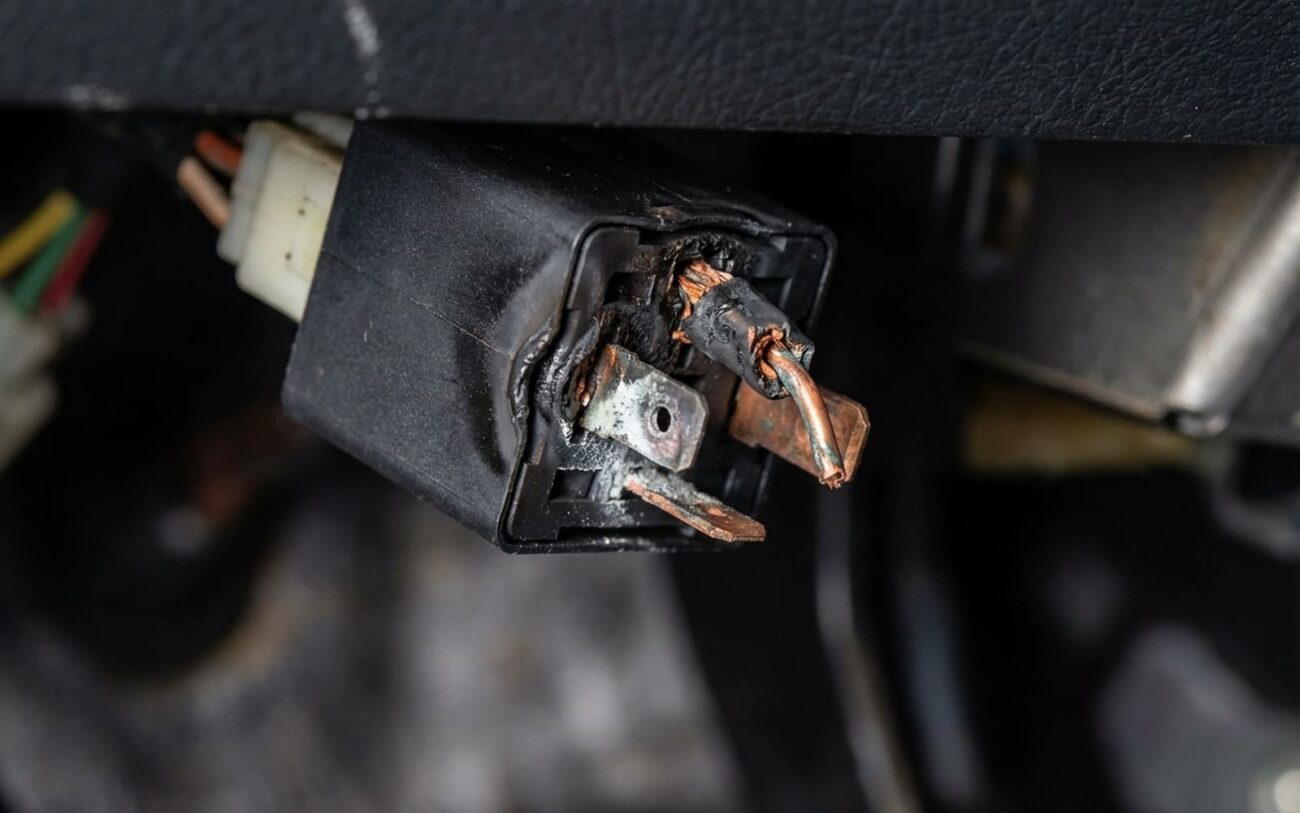
When your defroster fan cuts out after a minute and comes back 15 minutes later, it’s not magic—and it’s not random. I’ve torn into hundreds of these systems, from beat-up Corollas to high-mileage Explorers, and 9 times out of 10, it’s the blower motor resistor pack throwing a fit. But—and this is critical—it might not be the root cause. Replacing it without checking the rest of the system is just throwing parts at a problem. Let me walk you through how I diagnose this right, every time.
What’s Actually Happening Under the Dash
The blower motor resistor isn’t just a speed controller—it’s a thermal tripwire. Inside that little metal box is a PTC thermistor (Positive Temperature Coefficient device) that acts like a circuit breaker. When it gets too hot—say, from a failing motor dragging too many amps or bad airflow—it cuts power to the fan. Once it cools down (usually 10–20 minutes), it resets. That’s why the fan comes back on… until it overheats again.
And yeah, it gets hot. I’ve measured surface temps over 150°C (302°F) on failing units. Touch one right after shutdown? You’ll blister your fingers. But worse than the burn risk is what happens over time: melted connectors, fried wiring insulation, even smoldering under the dash. I’ve seen it. Not worth the gamble.
Symptom First, Then Diagnosis—Not the Other Way Around
Let’s cut through the noise. Here’s what I see in the bay, and how I test it:
| Symptom | Likely Fault Area | Definitive Test |
|---|---|---|
| Fan stops after running briefly on any speed | PTC thermistor tripping due to overheating |
Measure blower motor current draw on low speed. If it’s under 10A and stable until shutdown, the motor’s fine—the PTC is the weak link. |
| Only high speed works; low/medium speeds dead | Burned-out resistor coils (open circuit) |
Test voltage drop across each resistor coil. No drop on a leg? That coil’s open. Done. |
| Intermittent operation across all speeds | Failing PTC, cracked solder joints, or poor connector contact |
Use a scan tool to verify steady fan speed command. If the command is solid but the fan drops, the fault is downstream—resistor or motor. |
Bottom line: you can’t skip the amperage test. Clamp your meter on the blower power wire. Cold start, low speed. Normal draw? 5–10A. If it’s over 12A and climbing, the motor’s dragging. That’s what cooked the resistor in the first place. Replace the resistor without fixing that, and you’re just buying time—maybe six weeks.
Why the Resistor Failed—And Whether It’s the Real Problem
Resistors die for three reasons: heat, corrosion, and fatigue. The thin wire coils inside degrade over time, especially if moisture gets in. I’ve pulled packs with green corrosion on the windings—common in humid climates or if the cabin filter’s been ignored for years.
But here’s what gets missed: the cabin air filter. (Yes, this matters.) On a 2018 Traverse I worked last month, the owner replaced the resistor twice. Same issue came back. I popped the filter—it was packed with leaves and dust. After cleaning the blower wheel and swapping the filter, the current draw dropped from 13A to 7.5A. Problem solved. Moral: restricted airflow = extra load = overheated resistor. Always check the filter first.
Common Misdiagnosis Alert:
A clogged cabin filter or debris in the blower wheel forces the motor to work harder. That extra amperage cooks the resistor. Replace the resistor without fixing airflow, and you’ll be back in the same spot. Always inspect the filter and wheel—takes 10 minutes, saves you a comeback.
Repair Options That Actually Last
Resistor Replacement
DIY-FEASIBLE
Resistor Connector Repair
DIY-FEASIBLE WITH SKILL
Temporary Workarounds
TEMPORARY / LAST-RESORT
Did You Actually Fix It? Here’s How to Know
To Validate Your Repair
-
Run the fan on every speed—especially low and medium—for at least 10 minutes. No dropouts. No stuttering.
-
After 10 minutes on low, check resistor temp with an IR gun. Should be under 100°C (212°F). If it’s over 120°C, something’s still wrong.
-
Recheck current draw on low speed. Stable and under 10A? Good. Over 12A? The motor’s the real problem. Three tests, one answer.
Cost, Comebacks, and When to Walk Away
| Repair Type | DIY Cost (Parts) | Shop Cost (Est.) | Secondary Risk if Failed |
|---|---|---|---|
| Resistor Replacement | $25 – $80 | $150 – $300 | Low. If cutout returns, suspect the blower motor or undiagnosed wiring issue. |
| Resistor + Connector Repair | $40 – $100 | $250 – $400 | Very Low, provided the connector is repaired to OEM standards with proper terminals and crimps. |
| Misdiagnosis (Replace Resistor when Motor is bad) | $25 – $80 (wasted) | $150 – $300 (wasted) | High. A failing motor can destroy a new resistor due to excessive current draw, leading to repeat failures. |
Look, I’ve had shops tell customers they need a new HVAC module for $800. On a 2016 Silverado? Unlikely. Unless you’ve got melted harnesses or a known TSB, stick to the basics: resistor, motor, connector, filter. For most vehicles, this repair is worth every penny. And if you do it right, it’ll last the life of the car.
How to Keep This From Ever Happening Again
Change the cabin filter every 12,000–15,000 miles. That’s it. That’s the secret. On humid days, run the A/C in defrost mode for 10 minutes—helps dry out the evaporator case and keeps corrosion at bay. And if you drive a Ford or GM from the early 2010s, check for updated resistor part numbers. Some models (looking at you, 2011–2014 F-150) had weak designs. The updated pack runs cooler and lasts longer.
Prevention & Maintenance Tips
I keep a spare resistor in my tool chest for common models. Not because I expect failure—but because when it fails in winter, people need heat. And if you’re going to keep a car long-term, spend the extra $15 on an updated resistor with better thermal management. It’s cheaper than a fire.
