Heated steering wheel dead? Don’t start swapping parts. I’ve been doing this for 25 years—most shops get this wrong because they don’t trace the real root cause. They see “no heat” and go straight to the heater element or module. But in my shop, we don’t guess. We diagnose.
First: What Else Is Down?
If the heater’s out but the horn still works and the airbag light isn’t on—great. That narrows it. But if the horn’s dead, the cruise control won’t engage, or the SRS light’s glowing on the dash? Stop right there. You’re not dealing with a heater problem. You’re dealing with a clock spring.
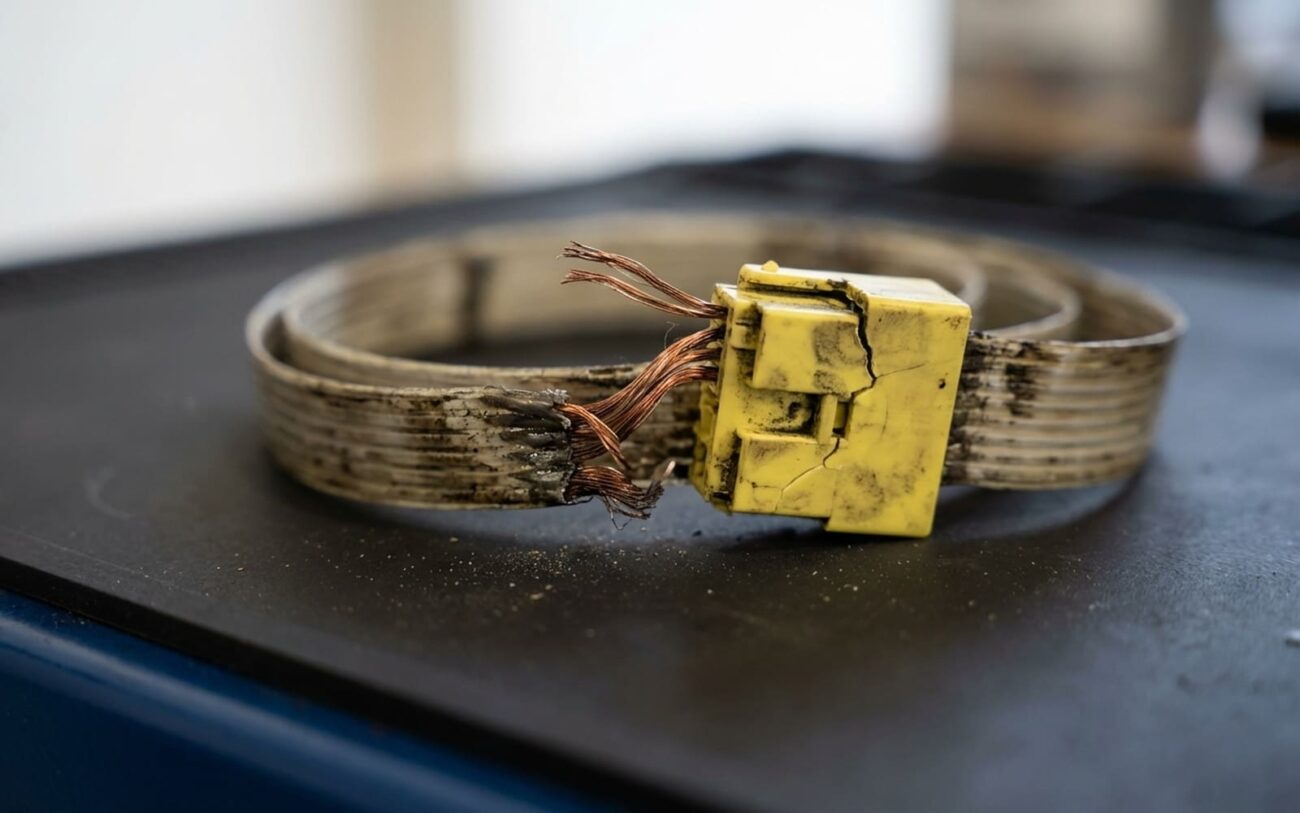
I can’t tell you how many times I’ve pulled into the bay a car where someone replaced the heater module twice, only to find the real issue was a cracked ribbon inside the clock spring. That flat cable carries power to everything in the wheel—airbag, buttons, horn, heater. All of it. When that fails, multiple systems go dark together.
And here’s the dead giveaway: if the wheel heats only when centered, but cuts out when you turn left or right? That’s not “intermittent.” That’s textbook clock spring failure. The copper traces inside the ribbon are fractured. They make contact only in certain positions. I’ve seen this on everything from Acuras to Fords—especially common on vehicles with high mileage or aggressive steering habits.
How I Test—No Guessing
A test light won’t cut it here. You need a real multimeter. Low resistance circuits like heater elements and clock spring traces demand precision. And always isolate the circuit—unplug connectors before checking continuity.
Here’s how I break it down:
| Symptom | Most Likely Fault | What Else Could Mimic This | How I Confirm |
|---|---|---|---|
| Heater, horn, airbag light all dead | Clock spring | Blown SRS fuse, disconnected column harness, chafed wire at base of column |
With SRS disabled, unplug the clock spring base connector. Check continuity across the heater circuit pins while slowly turning the wheel lock-to-lock. Any drop in continuity? That’s your smoking gun. |
| Heater dead, but horn and airbag OK | Heater element or control module | Blown heater fuse, bad ground, failed climate control switch |
Remove trim (SRS off). Measure resistance across heater terminals—should be 2–10 ohms. Infinite? Element’s toast. If that checks out, back-probe the module connector during a commanded ON cycle. No power? Trace upstream. |
| Heater works only in certain positions | Clock spring | None—this is definitive |
Same test as above. Rotate the wheel slowly while monitoring continuity. If the circuit opens at any point, the ribbon is damaged. No question. |
Why It Failed—And How to Stop It Happening Again
Clock springs don’t just fail from age. They fail from abuse. I’ve seen it a hundred times: drivers who crank the wheel all the way to the stop when parking, then leave it there. That over-extends the ribbon beyond its designed travel. Do that enough, and the copper traces fatigue and crack.
Improper installation is another big one. Put on an aftermarket steering wheel without centering the clock spring first? You’ve just pre-loaded the ribbon. It’ll fail early—guaranteed. And on high-vibration trucks or rough-road vehicles, solder joints at the ribbon ends can crack from constant shaking.
Moisture and dust get in too, especially on older units. I pulled one out of a 2016 Honda Pilot last month—corrosion all over the contacts. Not from water, but from years of salt and grime tracked in by the driver’s hands.
Heater modules usually die from heat or moisture. The MOSFETs inside handle the current switching, and running the heater on high for long periods cooks them over time. Spills—especially coffee or soda—creep in through the seams and corrode the board. I’ve had modules fail because someone left a wet towel on the wheel overnight.
And don’t forget: if the heater element shorts, it can fry the module on the way out. So replacing the module without checking the element is just throwing parts at it.
How I Fix It—And What You Should Know
This Is Not a DIY Job
Working on the steering wheel with an airbag means one wrong move can end badly. Full stop. You need SRS training, proper tools, and a scan tool that can calibrate the steering angle sensor after replacement.
Clock Spring Replacement Professional Only
Heater Element Replacement Professional Only
Heater Control Module Replacement
After the Repair—Did It Really Work?
Don’t just turn the key and call it good. Verify.
-
Test every function: horn, heater, cruise, audio controls. All must work at all wheel positions.
-
SRS light should come on at startup, then go off and stay off. If it blinks or stays on, pull the codes.
-
Use a scan tool to confirm the steering angle sensor reads 0° when wheels are straight. Turn lock-to-lock—reading should change smoothly, no jumps.
-
For heater repairs: run it on high for 10 minutes. Use an IR thermometer—rim should hit 90–110°F. No hot spots, no cold zones.
Cost vs. Risk—Is It Worth Fixing?
| Repair | DIY Parts Cost | Shop Total | DIY Success Rate | Risks of Getting It Wrong |
|---|---|---|---|---|
| Clock Spring | $150–$400 | $500–$900 | Low |
Airbag won’t deploy, SAS wrong, stability control disabled, codes that won’t clear. |
| Control Module | $80–$200 | $250–$450 | High (if accessible) |
Module not communicating, CAN bus errors, short from damaged connector. |
| Heater Element | $100–$300 | $400–$700 | Medium |
Damaged airbag cover, poor adhesion, cold spots, delamination over time. |
Bottom line: if the clock spring is bad and the airbag is out, fix it. Not for comfort. For safety. And if the repair costs more than 30% of the car’s value? You’ve got a decision to make. But don’t kid yourself—driving with a known SRS fault is rolling the dice.
Prevention—Because I’d Rather See You Once
I tell every customer the same thing:
-
Never crank the wheel all the way to the stop and leave it there. It strains the clock spring. (Yes, this matters.)
-
If you install an aftermarket wheel, center the clock spring first. Use the lock pin. Don’t guess.
-
Pay attention to early signs: horn works only sometimes, buttons need multiple presses, heater cuts out when turning.
-
Check for TSBs. Some Toyotas and Hondas have known clock spring issues—there might be an updated part or extended warranty.
And remember: the clock spring feeds data to your ADAS systems. A bad one can mess up adaptive cruise or forward collision warnings. So it’s not just about heat or the horn. It’s about whether your car can steer itself—or stop itself—when it needs to.
