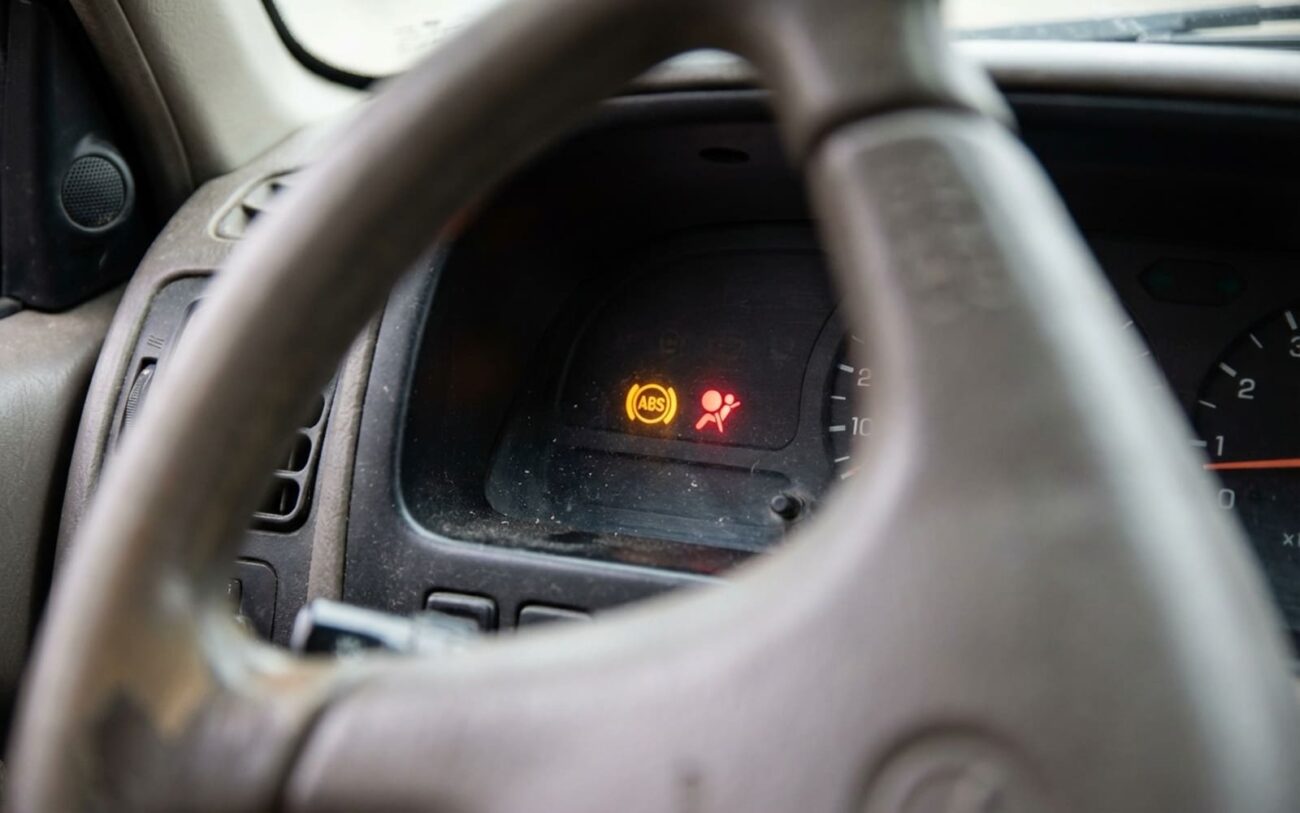
You plug in your scanner, it powers up fine, pulls engine codes no problem—and then you go to check the ABS or airbag system, and nothing. “No Communication.” I’ve seen this a thousand times in my shop, especially on European cars from the mid-2000s. Before you start ripping out modules or blaming the scanner, let me save you some grief: this usually isn’t a fault. It’s how the car was designed.
What’s Really Going On
If your tool reads engine codes but not ABS or SRS, don’t assume the module’s dead. In most cases—especially on Renault, Peugeot, early VW Group, and certain Volvos—the ABS and airbag systems are on a separate diagnostic network. The OBD2 port might physically connect to those systems through non-standard pins (like 1, 3, 9, or 11), but generic scanners don’t speak their language. And that’s by design.
OBD2 was never meant to cover everything. The EPA mandated it for emissions-related systems. ABS and SRS? Not emissions. So manufacturers kept those on proprietary buses—ISO 9141-2, K-line, or custom CAN variants—with no gateway to the standard OBD2 communication lines. That means your $300 Autel might talk to the PCM just fine but hit a brick wall at the airbag module.
Step-by-Step: Confirming It’s Not a Wiring Fault
First, rule out the obvious. If the scanner powers up and pulls engine codes, Pin 16 (battery power) and ground are good. That means the OBD2 port isn’t dead. But that doesn’t mean all pins are connected.
Grab a multimeter. Check continuity between the DLC and the ABS/SRS module connectors—specifically on Pins 1, 3, 9, or 11, depending on the make. You’ll need the wiring diagram (Alldata or manufacturer service manual). If there’s no continuity, it’s not a break in the wire—it’s because the system uses a different physical bus. I’ve seen techs replace entire harnesses only to find out the car was never wired to allow generic access.
And don’t waste time chasing fuses unless the whole OBD2 port is dead. Pin 16 is fused, yes—but if your scanner powers on, that fuse is fine. The issue isn’t power. It’s protocol.
How to Actually Diagnose ABS/SRS on These Cars
You need the right key. And in this case, the key is the manufacturer’s diagnostic system.
For Renault or Peugeot? That’s CLIP (Citroën L’Interface Portable). It’s a laptop-based tool that connects to the DLC but uses proprietary software to talk to every module—including ABS and SRS. Same story for others: Ford IDS, Toyota Techstream, BMW ISTA. These aren’t just scanners—they’re full factory-level systems that can activate gateways, reprogram modules, and access networks generic tools can’t touch.
Some high-end aftermarket tools—Snap-on, Autel, Bosch—have reverse-engineered access for certain models. But coverage is spotty. On a 2008 Clio, I’ve had Autel read ABS codes but fail to perform a brake bleed calibration. That’s not good enough. ABS bleeding requires precise module control. If the tool can’t do it, don’t trust it.
And for airbags? I don’t care how good the aftermarket tool claims to be—SRS is too critical. A failed reset, a missed calibration, or a false clear could mean airbags don’t deploy. I’ve seen it. Use OEM-level equipment. No exceptions.
What Full Communication Looks Like
Don’t just settle for “codes pulled.” Real diagnostics mean two-way talk. When you’re in:
-
You can read the module’s part number and software version—no guessing.
-
You pull both stored and pending DTCs, not just surface-level codes.
-
You clear codes after repair—permanently, not just masked.
-
You see live data: wheel speeds updating in real time, impact sensor status, seat occupancy detection.
Spin a wheel by hand with the ABS live data screen open. If the corresponding sensor reading jumps, you’re in. For SRS, check that all zones report “OK”—driver, passenger, side, curtain. If one says “open circuit,” now you’ve got a real lead.
Cost vs. Reality: What’s Worth It?
This isn’t a parts problem. It’s a tooling problem. And that changes everything.
| Option | DIY Cost | Shop Cost | Success Rate | Risks |
|---|---|---|---|---|
| OEM Tool (e.g., CLIP, IDS, Techstream) | $500 – $3,000+ | N/A | ~100% | High upfront cost, software locks, limited resale value. |
| Professional Diag Session | N/A | $100 – $200 | ~100% | None—if the shop has the right gear. |
| Aftermarket Scanner | $300 – $2,000 | N/A | 30% – 80% | Incomplete data, failed resets, missed calibrations. |
Let’s be real: if you drive a 2007 Megane and don’t work on cars for a living, buying CLIP isn’t practical. I’ve had customers spend $1,200 on factory software for one repair. That’s insane. For most people, paying a shop with the right tools for one hour is smarter—and cheaper.
And yes, some independent shops won’t touch these cars. Not because they can’t fix them—but because they don’t have the OEM licenses. That’s why it’s worth calling ahead. Ask: “Do you have factory-level access for ABS/SRS on a 2009 Scénic?” If they hesitate, keep looking.
How to Avoid This Headache Next Time
Research before you buy. “OBD2 compatible” doesn’t mean “full system access.” Check the scanner manufacturer’s site—look for explicit ABS and SRS support on your model. And dig into forums. On Renault owners’ boards, you’ll see threads titled “CLIP or bust” for good reason.
Think of it like torque specs. You wouldn’t slap head bolts down with an impact gun. Same logic applies here: the right tool isn’t optional—it’s part of the job. Especially when you’re dealing with systems that can kill you if they fail (yes, I’ve seen airbag deployments during improper resets).
Bottom line: if your scanner won’t talk to ABS or SRS, don’t panic. Don’t replace modules. Don’t rewire the DLC. First, find out if the car was ever meant to let generic tools in. Because more often than not—it wasn’t.
