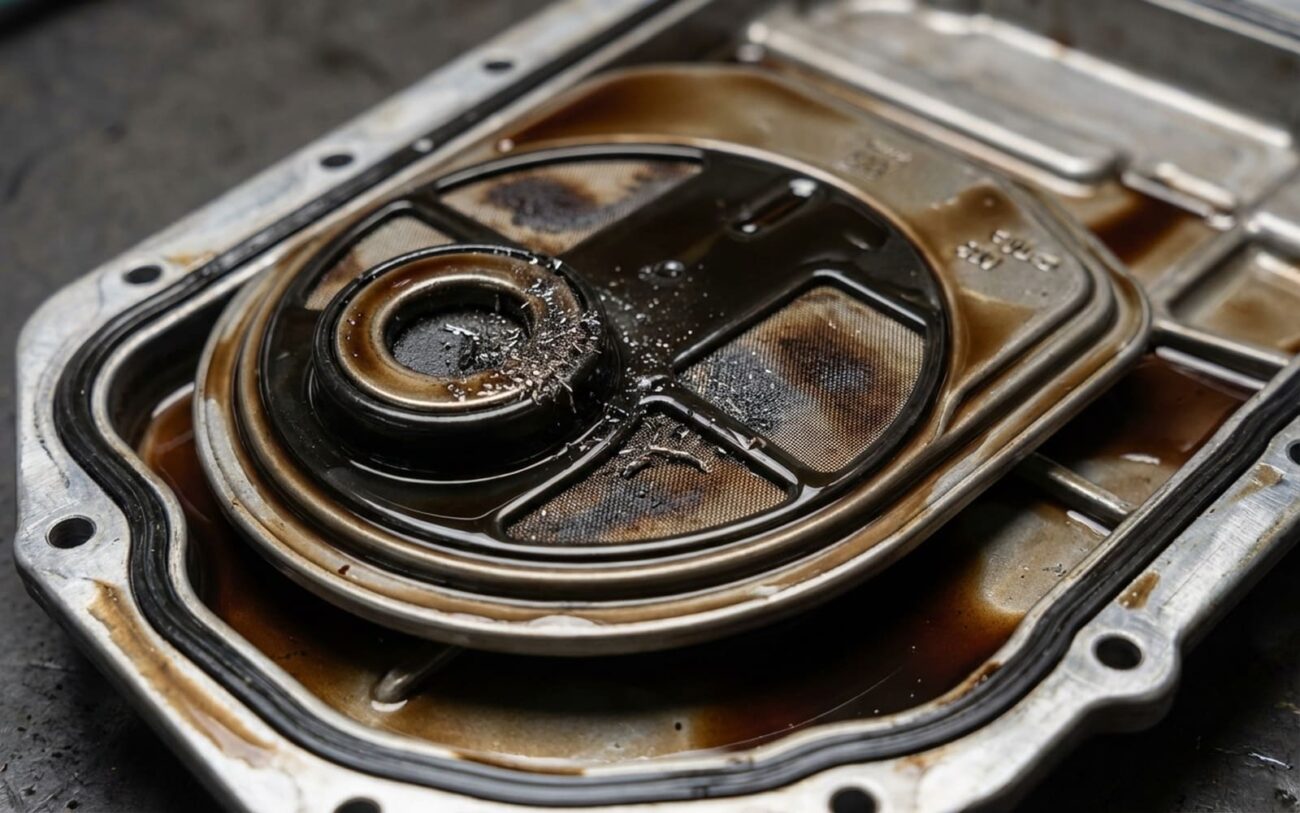
Alright, let’s talk transmissions. You just had yours serviced—maybe a routine fluid change, or a full flush—and now your car is jerking, shuddering, or shifting like a teenager learning stick for the first time. That knot in your stomach? I’ve seen it on hundreds of faces in my 25+ years turning wrenches. When this happens right after a service, my gut reaction, and the first thing I check in the shop, is always the fluid type. Modern automatic transmissions aren’t simple hydraulic pumps anymore; they’re complex electro-mechanical marvels that rely on exact fluid chemistry to even function. Put the wrong stuff in, and the whole system goes haywire, usually pretty fast.
Recognizing the Trouble and Pinpointing the Cause
So, what does it feel like when the wrong fluid is in there? The symptoms are pretty distinct, and I’ve got a mental checklist I run through. The most common red flag is a hard thump when you shift from Park to Drive or Reverse. That’s not normal wear; that’s the transmission struggling to apply its clutch packs because the fluid’s viscosity or friction characteristics are off. It’s like trying to run in mud versus on a track.
Another dead giveaway is a vibration or shudder, usually noticeable at highway speeds, often between 45 and 55 mph. This is almost always your torque converter clutch (TCC) trying—and failing—to lock up smoothly. I see this a lot on Ford 6R transmissions when someone uses a non-Mercon LV fluid, for example. You might also experience “gear hunting,” where the transmission can’t decide between, say, 3rd and 4th gear, or the engine RPM flares up during shifts before finally catching. These aren’t random glitches; they’re the transmission’s control system fighting inconsistent hydraulic pressure and poor clutch response, all because the fluid isn’t playing nice.
Now, here’s the critical point, and I can’t stress this enough: if you ignore these symptoms, you’re not just risking discomfort. You’re actively accelerating internal damage. The wrong fluid can lead to rapid oxidation, varnish buildup, poor lubrication, and overheating. Clutch plates wear out faster, solenoids get sticky, and the torque converter can fail prematurely. I’ve seen transmissions completely lock up after just a few hundred miles of driving with the wrong fluid. A simple mistake can turn into a major, expensive repair in no time.
My Diagnostic Approach: Is It the Fluid or Something Else?
Before you start draining fluid again, you’ve got to be sure. Many other issues can mimic wrong fluid symptoms, especially if the transmission already had some wear. The key is isolating the root cause with methodical testing. Here’s how I approach it in my shop, breaking it down by common symptoms:
1. Harsh P-R-N-D Engagement:
This is that hard thump you feel. If it’s fluid-related, it’s usually because the viscosity is too high (like putting older Mercon V in a system designed for Dexron VI) or the friction modifiers are all wrong, delaying clutch application. But don’t jump to conclusions. I’ve also seen this from a low fluid level, a failing transmission control solenoid, worn engine mounts, or even air trapped in the hydraulic system.
My Test:
- First, verify the fluid level. It sounds basic, but it’s often overlooked.
- Then, I’ll pull a 1-2 ounce fluid sample. Check its color, smell, and texture against OEM specs. Correct fluid should be clear (red, blue, or amber, depending on the brand) with a slightly sweet odor. A burnt smell, dark color, or “fishy” odor is a big red flag for contamination or the wrong type.
- I’ll hook up the scan tool. If the solenoid commands look normal but the line pressure readings are erratic, that fluid is probably the culprit.
2. Torque Converter Clutch (TCC) Shudder:
That vibration at highway speeds? Often, it’s because the friction modifiers in a generic or “universal” ATF just don’t match the OEM specifications. This is super common with specific fluids like Ford Mercon LV, Honda DW-1, or Toyota WS. But again, it could also be a faulty TCC solenoid, debris in the valve body, an engine misfire (which can feel like a transmission issue), or even worn motor mounts.
My Test:
- I monitor TCC slip RPM with a scan tool during a steady cruise (45–55 mph). When the TCC is locked, slip should be under 50 RPM. High or fluctuating slip indicates an apply issue.
- Crucially, I rule out engine misfires first by checking misfire counters. A misfire can easily be mistaken for TCC shudder.
- The definitive test here, if everything else checks out, is a full fluid exchange with the correct OEM fluid. If the shudder vanishes, you found your problem.
3. Erratic Shifting / RPM Flare:
If the transmission is hunting for gears or the engine RPMs jump before a shift finally engages, it could be low-viscosity fluid reducing hydraulic pressure, leading to unstable valve movement and clutch slippage. But I’ve also seen this from failing input/output speed sensors, wiring issues, or even a Transmission Control Module (TCM) fault.
My Test:
- I check live data: if input and output speeds track correctly but shifts still flare or hesitate, I’ll check line pressure response using bidirectional controls.
- If pressure is inconsistent and the fluid level is correct, I’ll strongly suspect the fluid type. I’ll confirm this with a fluid sample and a specification match.
How the Wrong Fluid Wrecks Things From the Inside Out
It’s not just about whether the fluid says “automatic transmission fluid” on the bottle. It’s all about the specific formulation. Modern transmissions use very specific ATF or CVT fluid specs because their internal components—the clutch materials, seals, solenoids, and valve bodies—are all engineered to work with exact chemical properties.
Take friction modifiers, for example. These are additives that control how clutch plates engage—whether they grab smoothly or chatter. Different clutch materials (paper-based, carbon, sintered metal) each require a specific coefficient of friction. Use a fluid designed for a different friction material, and you’ll get shudder, jerking, or incomplete engagement. I’ve seen this repeatedly with Ford 6R transmissions; when someone uses a non-Mercon LV fluid, that TCC shudder comes on quickly and won’t go away until the correct fluid is installed. It’s a classic example.
Viscosity is just as critical. Dexron VI, for instance, is significantly thinner than older Dexron III. If you put a thicker fluid into a system designed for a low-viscosity formulation, that fluid flows too slowly through the narrow passages. That delays clutch apply and causes hard shifts. On the flip side, if the fluid is too thin, it can’t maintain proper line pressure, leading to slippage and overheating. The transmission might even enter a fail-safe mode or trigger a “transmission hot” warning.
And don’t overlook the entire additive package. The right fluid contains anti-wear agents (like ZDDP), anti-foam agents, detergents, and oxidation inhibitors that protect all those delicate internal components. The wrong fluid may lack these or, worse, contain incompatible additives that degrade seals or form sludge. Over time, this leads to varnish buildup in the valve body, sticky solenoids, and accelerated bearing wear—all of which can easily mimic a mechanical failure.
Now, to be clear: a single drain-and-refill with the wrong fluid won’t instantly destroy a healthy transmission. But it will absolutely trigger problems, especially if driven under load. I’ve seen transmissions that were already borderline wear-wise get pushed right over the edge by incompatible fluid. The fluid doesn’t cause a cracked valve body, but it can certainly reveal or accelerate a pre-existing weakness.
Your Fix: What to Do Based on How Long You’ve Driven It
The longer that wrong fluid stays in, the higher the risk of serious damage. Your response needs to match how much damage may have already occurred.
Scenario 1: You Caught It Immediately (First Few Miles)
If you noticed symptoms within the first few miles of driving, you need to act fast. A complete fluid exchange is essential—not just a single drain-and-refill. Most transmissions only drain 30–50% of their fluid during a pan drop, so that remaining contaminated mix will keep causing issues. For a DIYer, the best approach is multiple drain-and-fills:
- Drain the pan.
- Refill with the correct OEM-specified fluid (e.g., Toyota WS, Chrysler ATF+4, Honda DW-1).
- Drive gently for 10–15 minutes to circulate the new fluid.
- Repeat steps 1-3. Three to four cycles will get you very close to a full exchange.
Always use a fluid pump to avoid spills, and check the fluid level at the correct temperature—usually between 95°F and 115°F—using the dipstick or fill plug method per your service manual. Torque the drain plug to spec (often 18–25 ft-lbs; check your specific model, don’t guess).
My Take: This is your best-case scenario. If you catch it early, you can often prevent any lasting damage. Don’t cheap out on the fluid here; only use OEM spec.
Scenario 2: You’ve Driven Several Hundred Miles with Symptoms
If you’ve driven a good distance and the symptoms are persistent, the process starts the same way: a full fluid exchange. Ideally, this should be done with a machine flush that cycles fluid through the cooler lines for a more complete exchange. But after that, you absolutely must reset the TCM’s adaptation strategy.
The transmission learns shift patterns and pressures over time. Incorrect fluid can corrupt those settings, so even with the right fluid, the TCM is still trying to adapt to the old, wrong fluid. A professional scan tool is required to perform a transmission relearn or adaptive reset. After the reset, drive 30–50 miles to allow the TCM to re-adapt to the correct fluid. If symptoms remain after this, the damage may be mechanical—worn clutches, damaged seals, or valve body wear—and will require internal inspection.
My Take: This is where a professional shop becomes almost essential. That TCM reset isn’t something most DIYers can do, and it’s a critical step. Skipping it means you’re still fighting the computer, even if the fluid is right.
Scenario 3: What NOT to Do (Temporary / Last-Resort “Fixes”)
Let me be direct: there are no safe shortcuts here. Do not use “shudder fix” additives or stop-leak products. I’ve seen more transmissions ruined by these quick fixes than by the original fluid error itself. These products can swell seals unpredictably, contaminate friction surfaces, and cause solenoids to stick. The only reliable fix is removing the wrong fluid and installing the correct one. Period.
My Take: Trust me on this. These snake oils just create new, often worse, problems. You’re just kicking the can down the road, and that can usually explodes later.
Making Sure the Repair Actually Worked
After the fluid exchange and TCM reset, you need to validate the repair. A successful fix means smooth engagement, no shudder at cruise, and consistent shifts. Don’t expect perfection immediately; the TCM needs time to relearn shift points and line pressure strategies, usually within 10–15 miles of driving, but sometimes up to 50 miles for full adaptation.
I always use a scan tool to monitor key parameters during a test drive: fluid temperature (should stabilize between 175°F and 225°F), solenoid operation, and input/output speed sensor data. Watch for smooth TCC lock-up with minimal slip (under 50 RPM). If the transmission still flares, hunts, or shudders after 50 miles and a proper relearn, then the issue is likely mechanical.
In my experience, if the problem persists after a verified fluid exchange and reset, you’re looking at internal wear—possibly glazed clutch plates, worn servo seals, or a varnished valve body. At that point, you’re no longer fixing a fluid issue; you’re diagnosing a transmission that may need an overhaul or replacement.
Weighing the Cost and Making the Tough Call
At this stage, it often becomes a financial decision. Here’s how the numbers typically break down, and what I tell my customers:
| Repair Type | DIY Cost | Shop Cost | Success Rate | Secondary Risk if Failed |
|---|---|---|---|---|
| Complete Fluid Exchange (Early Correction) | $100–$300 (12–20 quarts of OEM fluid) | $200–$500 | Near 95% | Suggests pre-existing wear or that fluid was wrong for too long |
| Internal Repair (Clutch Packs, Valve Body) after damage | Not practical for most DIYers | $1,500–$3,500 | 70–85% | Risk of complete failure, leading to need for replacement transmission |
Pro Tip on Costs:
Here’s a rule I use with customers, especially when looking at internal repairs: if the repair cost exceeds 50% of the vehicle’s private-party value (always check KBB or NADA, not just what you think it’s worth), then it’s time to seriously consider alternatives. At that point, a good used or remanufactured transmission might be more cost-effective. In some cases, especially with older vehicles or those with high mileage, replacement is simply the smarter long-term choice, even if it feels like a big hit upfront.
How to Never Be in This Situation Again
Prevention is simple, but it requires diligence. Always, always, always use the fluid specified in your owner’s manual or on the transmission dipstick. Don’t assume “universal” ATF is safe—even if it claims compatibility with a dozen different specs. Many generic fluids might meet basic Dexron or Mercon specs, but they often lack the advanced friction or thermal properties needed for modern, highly engineered transmissions like those from ZF, Aisin, or Jatco CVTs.
Always Verify OEM Designations. Look for these specific labels:
-
Toyota WS (World Standard)
-
GM Dexron VI
-
Ford Mercon LV
-
Honda DW-1
-
Chrysler ATF+4
-
Nissan Matic S / J
-
CVT-specific fluids (e.g., Nissan NS-3, Honda HCF-2)
After any transmission service, take a short test drive yourself. Focus on cold starts, low-speed shifts, and highway cruise. If anything feels off—delayed engagement, shudder, or harshness—address it immediately. In my 25 years of diagnostics, catching a fluid error in the first 10 miles has saved countless transmissions from an early grave. It’s not just about using the right fluid; it’s about verifying the work was done right, every single time.
