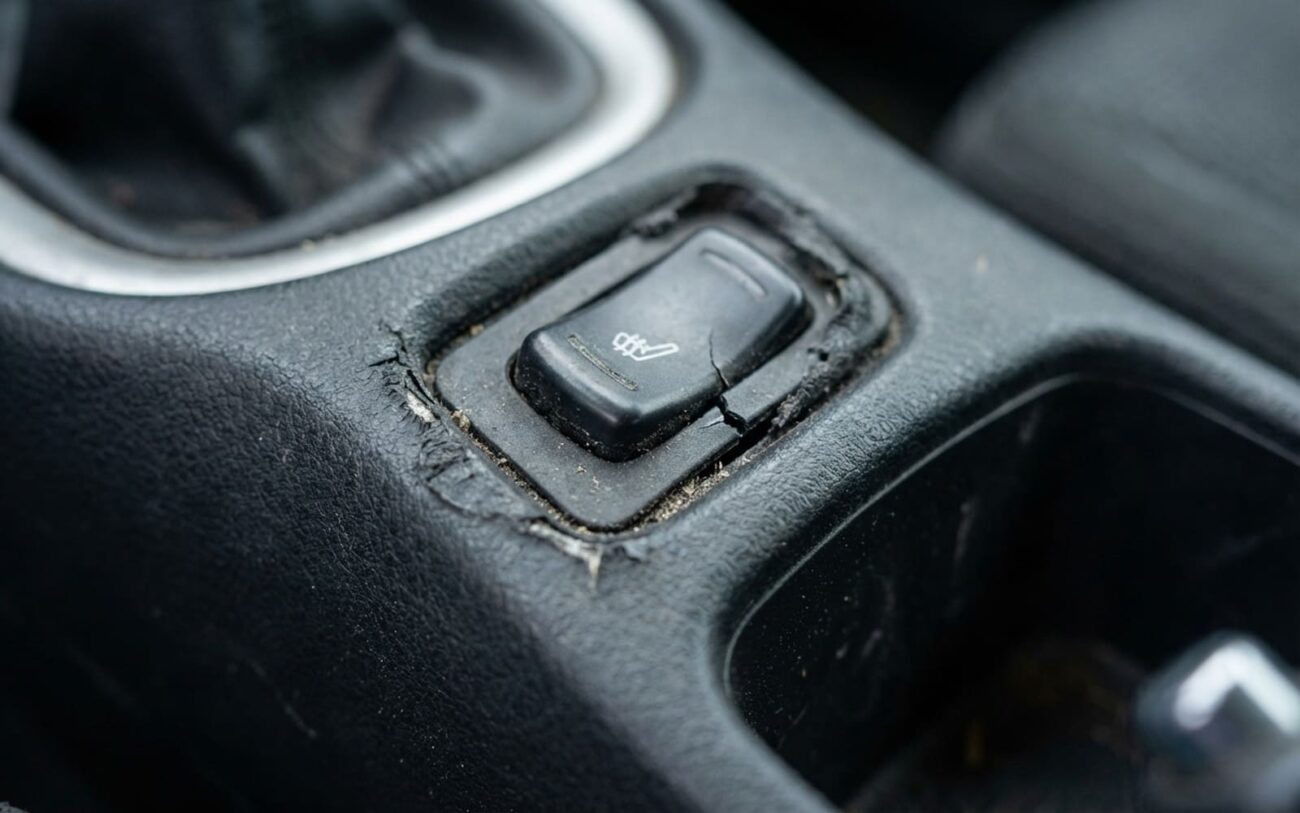
An uncommanded seat heater—turning on with no input from you—is not a glitch you can ignore. I’ve seen this on everything from a 10-year-old Camry to a low-mileage Tahoe that’s barely seen winter. It’s not “just a comfort feature.” It’s a symptom. And if you leave it, you’ll come back to a dead battery, or worse, a BCM that’s starting to take other systems down with it.
What’s Really Happening: Two Paths to Failure
There are only two real culprits when a seat heater fires up on its own: the Body Control Module (BCM) or the switch. Everything else—wiring, relays, fuses—is either a mimic or a side effect. But how it behaves tells you where to look.
If you open the car after sitting overnight and the seat is warm, that’s not a stuck switch. That’s the BCM sending power when it shouldn’t. The switch can’t do that on its own—it needs physical input. But the BCM? It can get confused. And when it does, it treats the seat heater like it’s supposed to be on.
Now, if the heater only kicks in when you slam the door or turn the headlights on, that’s still likely the BCM—just a different flavor. Internal electrical noise or a software hiccup can trigger it when other loads come online. I’ve seen this on 2016–2019 F-150s where the door ajar signal trips the heater command. No wiring fault. Just bad code.
On the flip side, if the heater stays on and the button feels mushy or doesn’t click, start with the switch. Spilled coffee, soda, or even cleaning spray can seep in and short the contacts. Over time, the tactile dome wears out and just… stays down. But don’t assume. I’ve pulled switches that tested fine, only to find the signal wire grounded against a sharp edge in the console.
How to Test: Stop Guessing, Start Measuring
Here’s what I do in the shop—no guesswork, just voltage and continuity checks.
| Symptom | Likely Fault | Definitive Test |
|---|---|---|
| Heater on after key-off, no input | BCM output driver stuck on |
Disconnect the switch. Use a multimeter to check the BCM’s output wire. If you see 12V without switch input, the BCM is commanding it. Case closed. |
| Activation tied to door close, ignition cycle | BCM software fault or cross-talk |
Scan for BCM data PIDs. Look for a “Seat Heater Command” signal. If it logs ON when you close the door and the switch isn’t pressed, it’s a BCM issue. No need to tear into wiring. |
| Heater on, switch feels soft or stuck | Failed switch or ground short |
Unplug the switch. Test continuity. Should be open when released, closed when pressed. If it’s always closed, replace it. If it tests good, check the signal wire for a short to ground back at the BCM connector. |
What Actually Breaks: Hardware vs. Software
When the BCM fails, it’s either hardware or software. And I can usually tell which just by how it acts.
Hardware failure? That’s a burnt output driver. Solid-state switch inside the BCM goes short. Sends 12V to the heater circuit no matter what. Usually happens after a voltage spike—bad alternator, jump-start gone wrong, or just age. I’ve pulled BCMs apart and seen the actual trace burned through. Not repairable. If you’ve got one of those, you’re replacing the module.
But more often, it’s software. Corrupted firmware, a logic error, or a bug that’s been documented in a TSB. On certain 2018–2020 Silverados, GM actually issued a reflash that fixed phantom seat heater activation. No parts needed. Just plug in, update, done. Always check for a TSB before you start pulling switches or ordering modules.
Moisture is another big one. I’ve had three BCMs this year come in with green corrosion on the pins. All from clogged sunroof drains. Water drips down, lands on the BCM under the dash, and slowly fries the board. The seat heater acting up is often the first sign. So if you’ve ever had a wet floorboard, that’s a red flag.
Switches? They fail mechanically. Membrane gets sticky, contacts weld, dome spring collapses. On some Toyotas, the switch is part of the entire center stack. You don’t replace the button—you replace the whole panel. Labor runs $300 just to pull the trim. Not worth it unless the car is otherwise pristine.
How to Fix It: Real-World Options
This Isn’t Always a DIY Job
Switch replacement? Sure, if it’s a standalone button. But BCM work? That’s professional territory. One wrong move during programming and you’ve got a brick instead of a car.
Replace the Switch (If It’s the Problem)
Only if testing confirms it. Disconnect the battery first—always. Then pop the trim with a plastic pry tool. Don’t force it. I’ve seen too many cracked center consoles from people using screwdrivers. Unplug the harness, swap the switch, and test before reassembly. Use OEM or high-quality aftermarket. The $15 eBay switch might save you $40, but it’ll fail in six months.
And if the switch is part of a larger module (like on a Cadillac or Lexus), just know the labor will eat you alive. Sometimes it’s cheaper to live without heated seats.
Reflash the BCM Professional Only
If a TSB exists, this is the fix. But you need a J2534 tool or OEM scan system. And a battery maintainer—voltage drop during programming can corrupt the module. I’ve seen it happen. Once it’s bricked, you’re looking at a new BCM and full setup. Not worth the risk.
Dealers and some independents offer this for $150–$300. Worth every penny if it’s a known bug.
Replace the BCM Professional Only
When the hardware’s dead, this is the only option. New or remanufactured OEM only. Aftermarket modules often lack proper calibration. And yes, it has to be programmed. That means VIN, key fob pairing, immobilizer sync. Torque the mounting bolts to 3–5 Nm—over-tightening cracks the housing.
And don’t forget: some cars need a “relearn” for seat occupancy sensors or memory positions. Skip it, and the passenger airbag light comes on. I’ve had customers come back mad because I didn’t warn them. Now I do.
Did It Work? How to Verify the Repair
Don’t just hand the car back because the heater turns off. Test it.
BCM Repair Validation Steps
-
Confirm the seat heater only operates when the button is pressed.
-
Scan for DTCs in the BCM and related modules. Clear any that exist, then recheck after a drive cycle.
-
Test other BCM functions: power windows, door locks, interior lights. One bad output often means others are on the way.
-
Perform any required relearn procedures—especially for seat occupancy or climate memory settings.
Cost vs. Value: When to Walk Away
Here’s the reality I tell my customers: if the repair costs more than 40% of what the car is worth to you—its daily usability, not Blue Book value—just pull the fuse and move on.
| Repair | DIY (Parts) | Shop (Labor + Parts) | Success Rate |
|---|---|---|---|
| Switch Replacement | $50–$150 | $200–$400 | High |
| BCM Reprogramming | N/A | $150–$300 | High (if TSB exists) |
| BCM Replacement | $400–$800 | $800–$1,500+ | High (if programmed right) |
The Real Talk
I’ve recommended disabling the circuit on older trucks where the BCM is failing and the rest of the electrical system is aging. You lose heated seats, but you keep the battery and avoid a $1,200 repair. That’s not giving up—that’s making a smart call.
Prevention: Stop It Before It Starts
Keep the sunroof drains clear. That’s the #1 thing. I’ve had three BCM replacements this year that could’ve been avoided with a $5 cleaning kit. Water goes in, lands on the BCM, corrosion starts. Seat heater acts up first. Then the lights flicker. Then the car won’t start.
Avoid eating or drinking near the console. And if a switch starts feeling sticky, pull it and clean it. Isopropyl alcohol and a soft brush can save you $300. (Yes, this matters.)
And if you see moisture in the footwell? Don’t wait. Dry it, find the source, fix it. A little water today can cost you a grand tomorrow.
