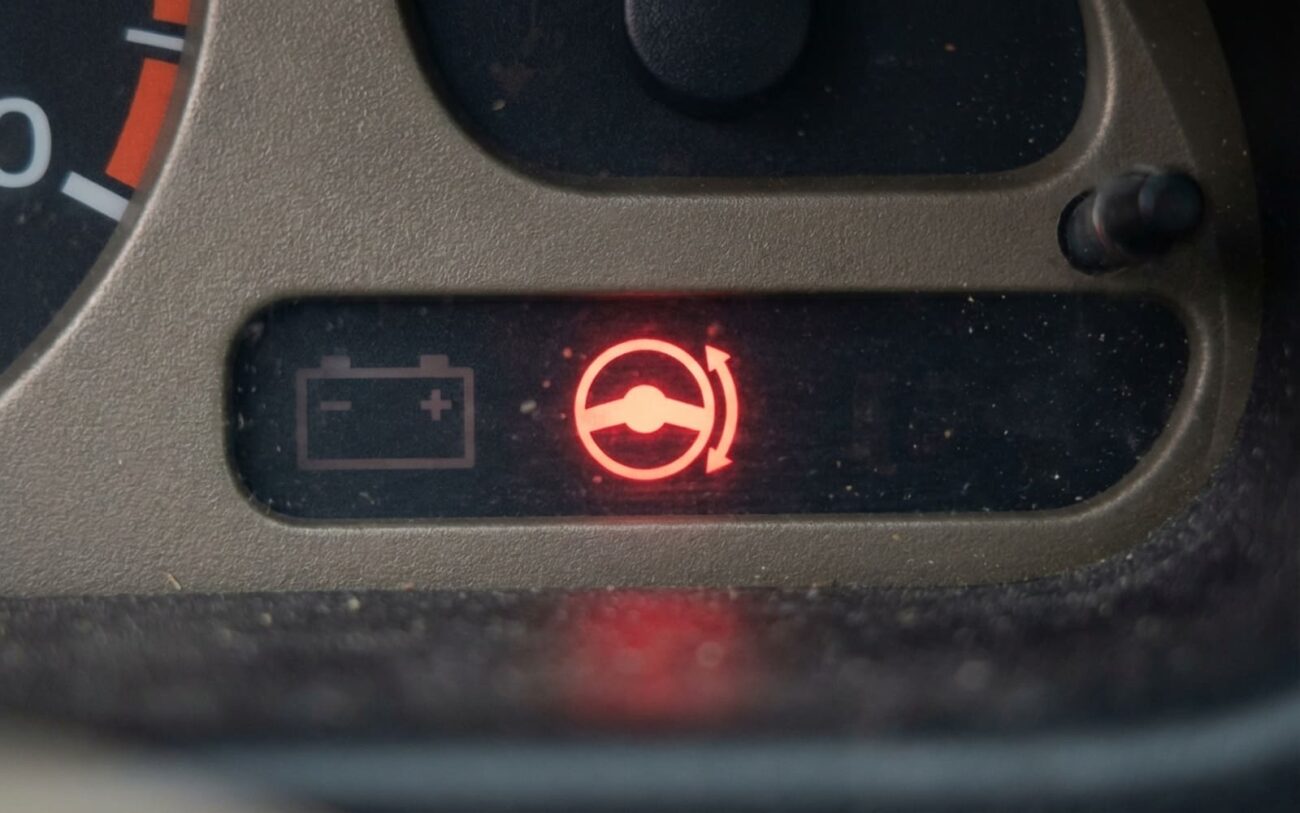
You’re driving along, everything’s fine—then you flip on the headlights, hit the rear defrost, and suddenly the steering gets heavy. Maybe the power windows crawl like they’re underwater. The EPS light flickers. Battery warning pops up. Classic symptoms. But here’s what most people miss: it’s not the steering rack dying, and it’s not always a weak battery or failing alternator. It’s voltage collapse from an overloaded 12V system. I’ve seen this on everything from daily-driven Camrys to lifted Rams with light bars and dual inverters. And yeah, I’ve replaced more than one perfectly good EPS module because the root cause was ignored.
What You’re Actually Experiencing
Let’s cut through the noise. When multiple electrical loads hit at once—headlights, blower on high, heated seats, rear defroster, power windows—the factory electrical system can get swamped. Especially at idle. The alternator wasn’t designed for that kind of demand unless you’ve got a heavy-duty package. So voltage sags.
And when system voltage drops below 11.0V, sensitive modules like the electric power steering (EPS) control unit shut down. It’s a protection feature. Same thing happens with window motors—they’re DC motors, and they need voltage to make torque. Low voltage? They draw more amps, overheat, and drag. That’s why your window stops halfway when you’re turning the wheel and running the defroster.
And yes, you’ll see the lights dim. That’s not a glitch. That’s physics. Voltage sag is real, measurable, and repeatable. If you’re seeing this, your system is being asked to do more than it can handle.
Diagnosis: Stop Guessing, Start Measuring
I don’t care what the scan tool says—start with voltage under load. That’s step one. No exceptions.
On a 2015–2018 Jeep Cherokee, I had a customer bring it in with intermittent EPS failure. Codes pointed to the torque sensor. Shop wanted $1,200 for a new module. I hooked up the multimeter, ran the blower on high, turned on the headlights and defroster, and cycled the windows. Voltage at the battery dropped to 10.8V. At the EPS module connector? 10.6V. Module shut down. No surprise. But the module wasn’t bad—it was protecting itself.
Test 1: EPS Voltage Under Load
Back-probe the power supply pin at the EPS module with the engine running. Have someone turn on high-draw accessories: blower on max, rear defroster, headlights, heated seats. Watch the voltage.
-
If it drops below 11.0V, you’ve got a system capacity issue—not a failed module.
-
Now rev to 2,000 RPM. If voltage stays above 13.5V, your alternator’s fine. The problem is demand exceeding supply at idle.
Test 2: Window Motor Voltage Drop
Same idea. Measure at the motor connector (driver’s door is easiest). Resting voltage should be ~12.6V. Now run the window up while turning on headlights and the blower.
-
If voltage at the motor drops more than 1.5V below battery voltage, you’ve got excessive circuit resistance or system overload.
-
If voltage stays above 12.0V and the window still drags, then it’s mechanical—regulator binding, bad motor, or worn gears.
Root Causes: It’s Not Always the Alternator
Most techs jump straight to “replace the alternator.” Wrong move. The alternator might be fine. The real issue? Load distribution and circuit design.
Aftermarket accessories are the #1 culprit. Big audio amps, dash cams, inverters, LED light bars—they all pull power. And people tap them into fuse boxes with fuse taps. Fine for a phone charger. Not for a 30-amp amp. That shared circuit becomes a bottleneck.
Circuit sharing is another silent killer. On a lot of Toyotas, the dash cam, power mirrors, and memory seats share a single ignition-switched power feed. Add a high-draw device? Now when you shift into reverse, the mirrors move, and the dash cam kicks in, you get voltage drop across the whole circuit. I’ve seen EPS faults triggered by a backup camera turning on. Not a coincidence.
And don’t forget parasitic draw. A single dash cam can pull 30–50mA in standby. Add a GPS tracker, a telematics module, maybe a dash cam with parking mode? You’re looking at 100–150mA. That’s enough to drain a battery overnight, especially in cold weather. Then you start the car flat, and the alternator can’t recover fast enough under load.
How I Fix It
Dedicated Circuit with Relay DIY-Feasible
This is the right way to power anything over 10 amps. Don’t tap into factory circuits. Run a dedicated 10 AWG wire from the battery to the accessory, fused within 18 inches of the battery. Use a relay triggered by an ignition-switched source (like terminal 15 in the fuse box).
Ground it to a clean, unpainted chassis point—no daisy-chaining. I torque battery terminals to 10 Nm. Every time.
Upgrade Alternator & Reprogram Professional Only
If the load is factory-based (like a towing package with heated mirrors, trailer brakes, and high-output blower), you might need a higher-output alternator. But on modern vehicles, you can’t just swap it. The ECM or BCM needs to be programmed to recognize the new output profile. Otherwise, the smart charging system may limit output or throw codes.
And don’t skip the scan tool. Monitor actual alternator output vs. requested. If it’s not delivering, check the regulator, wiring, and grounding.
Replace Damaged Components Non-Repairable
If the EPS module or window motor has been cycled through low voltage too many times, it may be toast. But replacing it without fixing the electrical issue is a waste. I’ve seen two EPS modules fail in six months on the same car—because the load problem wasn’t fixed.
These are sealed units. No field repair. Replace, then validate.
Disconnect Non-Essential Loads Last Resort
Unplug everything aftermarket. See if the symptoms go away. If they do, you’ve confirmed the overload. But this isn’t a fix. It’s a diagnostic step. And driving with unstable EPS is dangerous. Don’t make a habit of it.
Validation: Prove It’s Fixed
Don’t trust feel. Measure.
After Overload Fix
-
Run engine at idle. Turn on all high-draw accessories: headlights, blower on high, rear defroster, heated seats, cycle all windows.
-
Measure voltage at battery and at EPS module. Should stay above 12.2V at idle, 13.0V at 2,000 RPM.
-
Use a clamp meter to verify alternator output matches rating.
After Component Replacement
-
Clear codes with a capable scan tool.
-
Monitor EPS module voltage and current draw in live data.
-
Drive through multiple cycles—cold start, highway, stop-and-go, accessory-heavy.
-
No lights should return. Function should be consistent.
Cost vs. Value: When to Walk Away
Let’s be real. A high-output alternator with programming can run $1,500–$2,000 installed. Add a new EPS module? Another $1,000–$1,800. If the car’s worth $8,000 and it’s 10 years old, think hard.
I tell customers: if the repair cost hits 50% of the vehicle’s private-party value (check KBB), and there’s no sentimental or utilitarian reason to keep it, consider walking. Or at least strip the non-essential accessories and live with the limitations.
Prevention: Do This Once, Save Yourself Later
Add accessories right the first time. Use relay-controlled dedicated circuits. No fuse taps for anything over 5 amps. And upgrade to an AGM battery if you’re running high loads—it handles cycling way better than a flooded cell.
Annual Parasitic Draw Check
-
Turn off all accessories. Wait 20–30 minutes for modules to sleep.
-
Disconnect negative battery terminal. Connect multimeter in series.
-
Should read less than 50mA. Over 100mA? Start pulling fuses to find the culprit.
And if you’re troubleshooting slow windows or stiff steering, don’t skip the basics. Test voltage under load. It’s faster than guessing, cheaper than replacing parts, and actually tells you what’s wrong.
