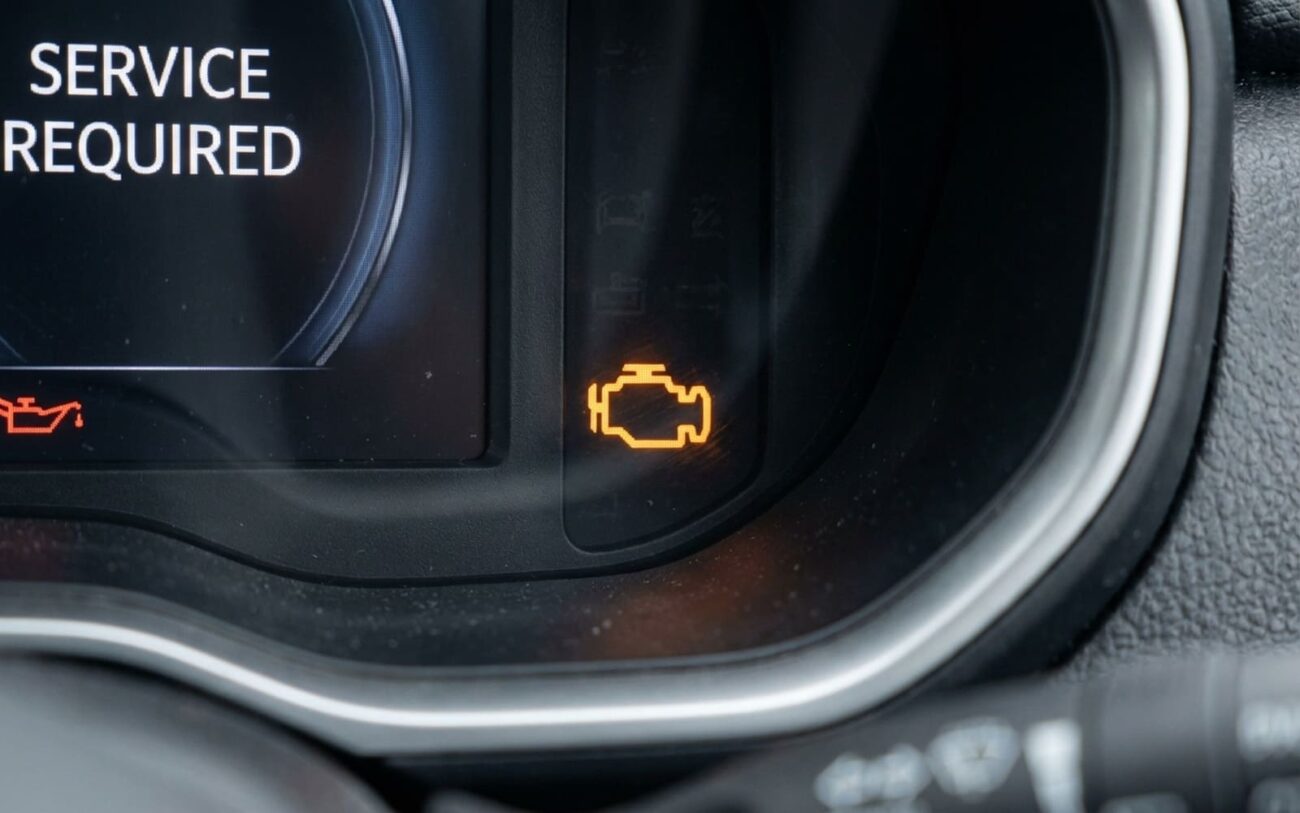
You bring your car in for a check engine light, the tech clears the codes—and suddenly the transmission shifts like it’s possessed, the radio’s forgotten your presets, and the seat’s in the back like a teenager drives it. I’ve seen this a thousand times. First thing I tell people: don’t panic. This usually isn’t a new failure. It’s what happens when you wipe adaptive memory during a scan or reset. Think of it like pulling the plug on your home router—everything comes back up, but it’s not running the same way until it relearns its settings.
Here’s the good news:
Most of this can be fixed. But you’ve got to know what got wiped, what’s just a reset, and what’s actually broken.
What Actually Got Reset?
Modern cars don’t just have one computer. They’ve got a dozen or more—PCM, TCM, BCM, ADAS modules—all learning from your driving, environment, and wear. When you clear codes or reset adaptations, you’re not just erasing a trouble code. You’re wiping out learned data that’s been building for months or years.
So when things go haywire after a scan, ask: what systems lost their memory? The symptoms tell you exactly which module got wiped.
Comfort Settings Gone? That’s Keep-Alive Memory.
If your seat moved, mirrors reset, or radio lost presets, it’s not magic. The body control module (BCM) or individual module (like seat memory) lost its keep-alive power. Happens after battery disconnects or aggressive scan tool resets. I’ve had customers swear their BCM was dead—nope. Just wiped. On a 2018 Tahoe I worked on last month, the guy thought the dealership fried his system. All it needed was a memory button reprogram.
Rough Idle or Harsh Shifts? PCM and TCM Are Learning From Scratch.
This is the big one. When the powertrain control module (PCM) and transmission control module (TCM) lose adaptive memory, they fall back to factory default maps. That means:
-
Idle is rough because idle air control hasn’t relearned your engine’s vacuum leaks (and yeah, all engines have small ones).
-
Shifts are harsh because the TCM doesn’t know how your clutches wear or how fast to apply pressure.
-
Fuel trims are off, emissions go up, and the engine runs inefficiently until long-term fuel trim (LTFT) stabilizes.
On a Honda Odyssey I saw last winter, the owner thought the transmission was failing. No codes, no slippage—just brutal 1-2 shifts. After a proper TCM relearn? Smooth as new. The problem wasn’t mechanical. It was software that hadn’t caught up.
ADAS Systems Down? Calibration Data Got Cleared.
If Lane Keep Assist, Adaptive Cruise, or Forward Collision Warning are offline, don’t assume the camera’s broken. The steering angle sensor zero point or radar calibration may have been wiped. These systems need reference points—like where “center” is on the steering wheel or what the lane lines look like from the camera’s view. Clear a code unrelated to ADAS, and sometimes the whole system resets.
And no—wiping the lens won’t fix it. I’ve had guys come in after cleaning the windshield, wondering why ACC won’t work. Yeah, the lens was clean. But the system never got recalibrated.
Is It a Reset—or Did Something Actually Break?
This is where most people go wrong. Just because symptoms started after a scan doesn’t mean the scan caused a failure. Could be coincidence. A failing MAF sensor might throw a code, get cleared, and then the rough idle returns—not because of the reset, but because the sensor’s still bad.
You need to test, not guess. Here’s how I do it in my shop:
| Symptom | Likely Cause (Module Reset) | Common Mimics | Definitive Test |
|---|---|---|---|
| Loss of Driver Profiles | Keep-alive memory lost in seat, radio, or BCM module | Low battery voltage, BCM failure, wiring fault (e.g., ground issue) |
Check for DTCs in door/seat modules. Test battery voltage with engine off (>12.4V is healthy). No codes + good voltage = reset, not hardware failure.
|
| Erratic Idle / Harsh Shifts | PCM/TCM adaptive memory cleared (fuel trims, shift patterns) | Intake vacuum leak, faulty MAF sensor, failing TCM solenoid |
Monitor Long-Term Fuel Trim (LTFT) at idle. Values near 0% ±5% indicate relearning. Persistent values beyond ±10% suggest a real mechanical issue.
|
| ADAS Inoperative | Steering angle sensor zero point or camera calibration reset | Misaligned sensor, dirty camera lens, internal module fault |
Perform OEM static calibration. If it fails immediately or returns a sensor DTC, the issue is likely hardware, not just a reset.
|
Why Did This Happen?
Most of the time, it’s user error. Not “dumb” error—just not knowing what the scan tool actually does. That “Clear All Adaptations” button? Yeah, it doesn’t just clear engine codes. It wipes memory from PCM, TCM, BCM, and sometimes even the instrument cluster. I’ve seen guys clear a P0420 (catalyst efficiency) and end up with a transmission that won’t shift right—because they wiped TCM adaptations too.
And don’t forget battery disconnects. Changing a battery or alternator without a memory saver? That’s a full system reset. On a 2020 Ram 1500 I worked on, the owner lost Uconnect settings, seat memory, and had to re-pair all his phones—just because the shop didn’t use a $20 memory saver.
Some resets are required—like after throttle body replacement or transmission work. Manufacturers want the system to relearn. But clearing everything “just in case”? That’s lazy. And it causes problems.
How to Fix It—And When to Walk Away
Know Your Limits
Some fixes are simple. Others need factory tools. Don’t gamble on ADAS calibration.
Driver Comfort Settings DIY-FEASIBLE
PCM/TCM Relearn MIXED
Transmission Relearn PROFESSIONAL-ONLY
ADAS Calibration PROFESSIONAL-ONLY
How Do You Know It’s Fixed?
Don’t just drive it and say “feels better.” Test it.
-
Driver profiles: turn off, wait 30 sec, restart, recall. If it works, it’s saved.
-
PCM: scan tool. LTFT within ±5%, STFT adjusting, stable idle. If LTFT is +15% after 100 miles, you’ve got a real issue.
-
Transmission: smooth shifts, no flare, lockup engages by 45 mph. If it’s still clunking, the relearn failed or there’s hardware wear.
-
ADAS: road test. System must activate and respond. If “Calibration Required” comes back, it wasn’t done right—or hardware’s faulty.
What’s It Cost? Is It Worth It?
| Repair Type | DIY Cost | Shop Cost | Success Rate | Secondary Risk if Failed |
|---|---|---|---|---|
| Driver Profile Reset | $0 (your time) | $0 (if you do it) | 100% | None |
| PCM/TCM Drive Cycle Re-Learn | $0 (fuel/time) | 0.5–1.0 hr labor | 95% (if no mechanical fault) | May mask a real issue, leading to further damage |
| TCM Scan Tool Re-Learn | N/A (tool cost prohibitive) | 1.0–1.5 hr labor | 99% | Incorrect procedure may require module reflash |
| ADAS Static Calibration | N/A | 1.5–3.0 hr labor + alignment prep | 95% | Improper calibration = safety risk and system failure |
Reality check: if ADAS calibration costs 30% of your car’s value and it’s not safety-critical (like Lane Keep on an old Accord), deactivating it might be the smart move. Not ideal, but sometimes practical. Just know—some systems like AEB may still operate even if you disable warnings. Check your manual.
How to Stop This From Happening Again
Prevention Tips
-
Use a memory saver when disconnecting the battery. Plug it into OBD2 or 12V socket. $20 part, saves hours of reprogramming.
-
On scan tools, avoid “Clear All Adaptations.” Use “Clear DTCs Only” if available. I’ve bricked a TCM before by being too aggressive—don’t repeat my mistake.
-
After any reset, run the proper drive cycle. BMW calls it a ‘Run-In’ cycle. Ford has relearn procedures. Follow them. Skipping it turns a 10-minute fix into a 3-day drivability issue.
-
Bottom line: resets are normal. But they’re not the end. They’re the start of a proper relearn process. Skip the steps, and you’re just passing the problem down the road. And if electrical gremlins keep coming back, check your grounds—bad ones mimic reset issues every time.
