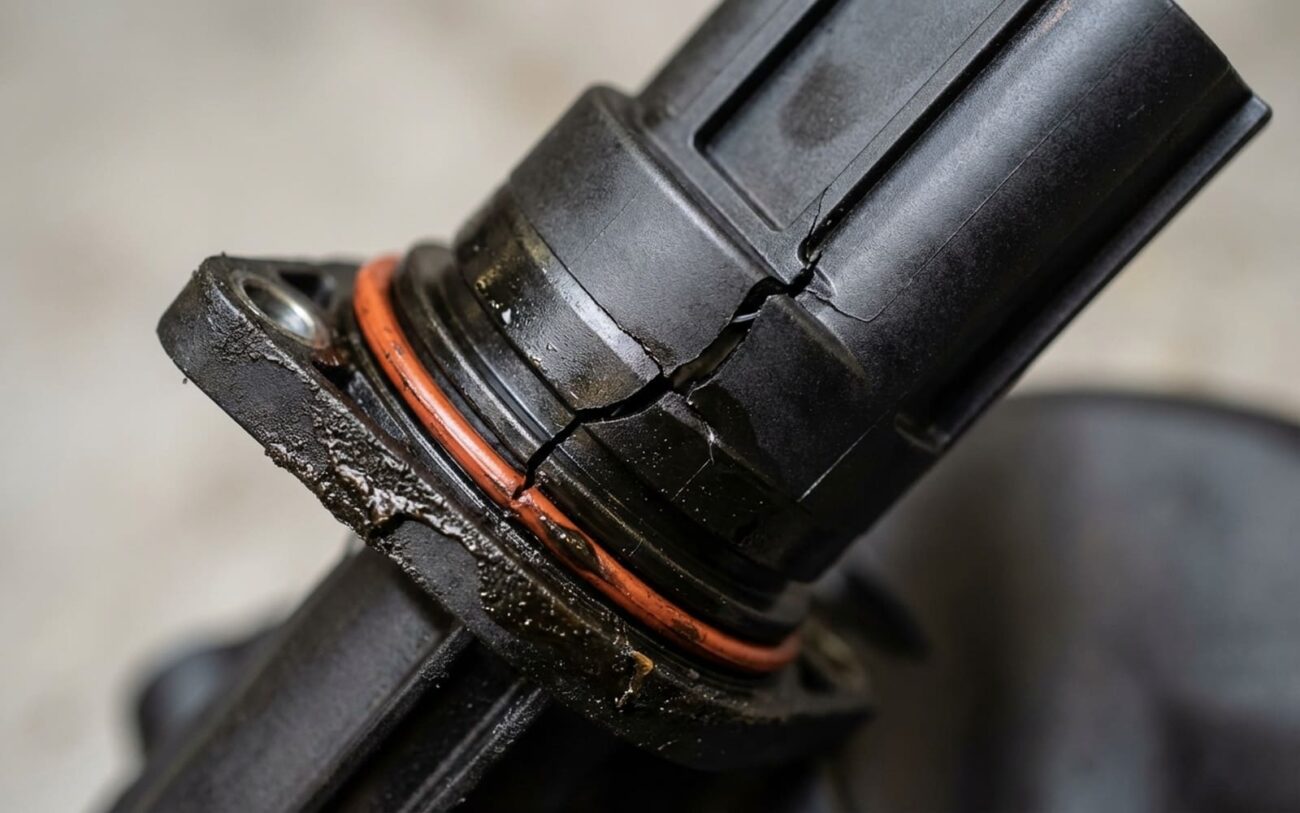
Check Engine Light On? Don’t Just Blame the Intake Flap (But Don’t Ignore It Either)
Alright, so you’ve got a Check Engine Light staring you down in your BMW, Audi, or another modern European car, especially if it’s turbocharged. And maybe you’ve even pulled a code like P2004, P2005, or P2006. In my 25+ years turning wrenches, these codes often point to an intake flap system problem. We’re talking about BMW’s DISA (Dynamic Intake System Actuator) valve or the swirl flaps you find in VW/Audi TFSI engines. These aren’t just fancy parts; they’re critical for making your engine efficient and giving you good low-end grunt by controlling airflow in the intake manifold.
Now, here’s the thing that trips up a lot of folks, even some younger techs: a P200x code doesn’t automatically mean the flap itself is busted. The ECU, your car’s brain, sees that the flap isn’t where it’s supposed to be, but it can’t tell you why. Is it a bad vacuum solenoid? A cracked hose? Frayed wiring? Or maybe the position sensor is lying to the computer? That’s why I always stress that proper diagnosis is absolutely non-negotiable before you start throwing parts at it. You’ll just waste money and time otherwise.
Beyond the Check Engine Light, your car will usually tell you something’s wrong with how it drives. These flaps are designed to boost your low-end torque, especially when you’re just pulling away or cruising around town, roughly between 1,500 and 3,000 RPM. They do this by creating a swirl effect in the intake charge. When they fail, that benefit disappears. So, what you’ll feel is a noticeable sluggishness off idle, a real flat spot in that lower RPM range where you expect some responsiveness. A rough or unstable idle, particularly when the engine is cold, is another common symptom I see.
But here’s the big one, the one that should make you pay attention: an audible clicking, buzzing, or rattling sound coming from the intake manifold area, especially at startup. That noise is your first, best warning. It usually means a plastic flap has cracked, or its pivot pin is failing, and it’s loose inside the manifold. It’s literally rattling around in there.
How I Diagnose: Flap, Control, or Something Else Entirely?
Like I said, a P2004 code doesn’t automatically mean the flap itself is toast. I’ve seen plenty of guys, pros and DIYers alike, replace the DISA valve or even the whole manifold only for the problem to stick around. The real trick is figuring out if the problem is mechanical – something actually broken inside the manifold – or if it’s in the control system that operates the flap. Here’s the diagnostic approach I use in the shop:
| Symptom | Often Points to Flap Itself | Common External Mimics | My Definitive Test |
|---|---|---|---|
| CEL with P2004/P2005/P2006 codes | Seized pivot, broken blade, stripped gears (electric units) | Bad vacuum solenoid, cracked vacuum hose, wiring issues, faulty position sensor |
Grab your bi-directional scan tool. Command the flap to open and close. Then, watch the actual position sensor data. If it doesn’t match the command, you’re onto something. |
| Loss of low-end torque, flat response below 3,000 RPM | Flap stuck open, not creating intake swirl | Failing VANOS/VVT, exhaust blockage, low fuel pressure, dirty MAF sensor |
With the engine off and key on, check the flap position sensor reading – it should show “closed” or near 0%. If it’s stuck open, you’ll see a higher percentage. A smoke test on the intake can also reveal vacuum leaks that affect flap operation. |
| Audible rattle or buzzing from intake manifold at startup | Broken hinge pin, cracked flap, disintegrated internal seal | Alternator decoupler pulley, timing chain tensioner, turbo wastegate flutter |
Get a mechanic’s stethoscope and pinpoint that noise. If it’s definitely coming from the DISA valve or manifold, remove the DISA unit (if modular) and manually inspect the flap. Look for looseness, cracks, or missing pieces. |
Why These Flaps Fail? It’s Usually Predictable Wear and Tear.
So, why do these things break? It’s rarely a mystery. Most failures boil down to the constant abuse of heat, engine vibration, and oil contamination. Think about it: your intake manifold isn’t just breathing clean air. It’s constantly exposed to oil mist from the crankcase ventilation (PCV) system. Over years and tens of thousands of miles, that oil mist coats everything, making plastic components brittle or soft, and rubber seals degrade.
The flap itself, usually a reinforced plastic, develops hairline cracks at stress points. The metal pivot shaft can wear, especially as the plastic bushings it rides in break down. On electric systems, like the BMW N52’s DISA, a small motor drives plastic gears. Those gears are notorious for stripping or wearing out, especially if the flap starts to bind from carbon buildup or a failing seal.
And speaking of seals, the rubber or foam gasket around the flap’s edge is another common failure point. It hardens, cracks, or crumbles from all that heat cycling and oil exposure. When those fragments break off, they don’t just vanish; they can jam the flap mechanism, stopping it from fully closing or getting stuck wide open. This isn’t just me speculating, by the way. BMW even issued service bulletins for early N52 engines specifically about internal flap separation. It’s a known design limitation, not some random fluke.
Technician’s Insight:
I’ve seen too many cases where a failing flap system gets misdiagnosed as a vacuum leak (P0171/P0174) or a bad MAF sensor. That’s a waste of time and money. Always, always verify the actual mechanical condition of the flap before you start replacing other components.
Repair Options: From DIY Swap to Engine Rebuild
Heads Up: This Can Get Serious
Look, some of these units are a simple bolt-off, bolt-on job. But if that flap has already broken and been ingested, you’re way past a simple part swap. That’s engine diagnosis and potentially major repair territory. Don’t underestimate the risk here.
Modular Unit Replacement DIY-Feasible
Integrated Manifold Service Professional Only
Post-Ingestion Engine Diagnosis Critical
Don’t Just Fix It, Verify It: My Post-Repair Checklist
Alright, you’ve replaced the part. Great. But that’s not the finish line; it’s just the starting gun for verification. I’ve seen too many comebacks because someone swapped a part and called it a day. If you’ve just installed a new DISA valve or an entire manifold, here’s what a proper, complete validation looks like in my shop:
My Technician’s Validation Checklist
-
Clear all codes. Then, drive the car through several cycles, varying load and RPM. You need to confirm no stored or pending codes return.
-
Use your scan tool to monitor live data. Command the flap open and closed, and watch the actual position sensor. They should track each other within 5% – anything more, and you still have a problem.
-
Listen carefully. At startup, at idle, and under light throttle, there should be no abnormal noises – no clicking, buzzing, or rattling.
-
If you removed the entire manifold, perform a smoke test on the intake system. Even a tiny vacuum leak can throw off fuel trims (P0171, P0174) and make you think the original repair failed. Don’t skip this.
Without these checks, you’re just guessing, and that’s how you end up with comebacks. I’ve seen it countless times: a flap gets replaced, but a loose vacuum line goes unnoticed, triggers a lean code, and the customer thinks the original issue wasn’t fixed. Don’t be that guy.
Cost vs. Value: When to Repair, When to Walk Away
Let’s talk money, because that’s always a factor. These repairs can swing from pretty manageable to downright shocking, depending on your vehicle and where you get the work done. Here’s a quick breakdown to help you weigh your options:
| Repair Type | DIY Cost (Parts) | Shop Cost (Typical) | Success Rate (If Diagnosed Right) | Secondary Risk if Failed |
|---|---|---|---|---|
| Replace serviceable DISA/IMRC unit | $150 – $400 | $400 – $800 | 95% | Ingestion of a new failing part (rare, but happens), continued poor driveability |
| Replace entire intake manifold | $500 – $1,200 | $1,200 – $2,500 | 98% | Improper installation leading to vacuum leaks or sensor faults |
| Engine diagnosis/repair post-ingestion | Variable, $2,000+ | $3,000+ (often much higher) | Variable | Catastrophic engine failure, total loss of vehicle |
Here’s the rule of thumb I always use with my customers: if the repair cost starts to creep over 40% of your car’s current market value, you need to take a step back and look at the whole picture. Is the car otherwise solid? Are there other big-ticket items – transmission, suspension, timing components – that are nearing the end of their life? If it’s had a history of overheating, you could be looking at warped cylinder heads or other hidden damage down the road. Sometimes, throwing good money after bad isn’t the best long-term investment.
Prevention & Early Detection: My Best Advice
These intake flaps are wear items, plain and simple. They’re going to fail eventually. But you can definitely extend their life and catch problems early. First off, always use the manufacturer-recommended engine oil. I’m talking about oils that meet specs like BMW LL-01 or VW 502 00. These aren’t just marketing; they’re formulated to reduce sludge and those nasty volatile compounds that come through the PCV system. And speaking of PCV, a failing PCV valve can dump tons of oil vapor into your intake, which just accelerates the breakdown of all those plastic and rubber parts. Keep that PCV system healthy!
For early detection, you need to develop a habit: listen to your car. Every time you start the engine cold, especially, just pause for a few seconds. If you suddenly hear a new, brief rattle or buzz from the intake area – one that often disappears after a few seconds as the engine warms up or the flap settles – that’s your first warning shot. Don’t ignore it. And if you own an OBD2 scanner (and you should!), plug it in every few months, even if the Check Engine Light isn’t on. Many systems will log “pending” codes before they actually illuminate the light. Catching a P2004 in its early stages can literally save you thousands of dollars and a whole lot of heartache down the road.
My Advice for Used Car Buyers:
If you’re eyeing a used BMW with an N52 engine or an Audi with a 2.0T, make sure to ask if the intake flaps or DISA valve have ever been replaced. Even better, get a pre-purchase inspection that includes a borescope check of the intake manifold. It’s a small upfront cost that could save you from a catastrophic engine failure later on. Trust me on this one.
