Look, if you’ve been turning wrenches on VWs, Audis, or Fords with dual-clutch transmissions (DCTs) for any length of time, you know the drill. A car rolls in, shuddering, lurching, or just refusing to shift right. More often than not, after a quick scan, it points straight to the mechatronic unit. That’s the integrated brain and hydraulic muscle of the transmission, and when it goes, the whole thing either limps home or just quits. And yeah, some models are far more prone to it than others. I’ve seen enough of these to tell you which ones to watch, how to pinpoint the mechatronic as the real culprit, and what your options are once it finally gives up the ghost.
Recognizing the Signs & Pinpointing the Problem
A failing mechatronic unit doesn’t just whisper; it screams. The biggest red flag I see is the transmission dropping into limp-home mode, usually only allowing odd-numbered gears (1st, 3rd, 5th). You’ll typically see the PRNDS gear indicator flashing on the dash, the engine RPM surging, and the car feeling sluggish as hell. Another dead giveaway is violent, jerky engagement from a stop—feels like someone rear-ended you. Some cars might even try to pull away in 3rd gear, or just hesitate for what feels like an eternity before drive or reverse kicks in.
My first step, always, is to scan for trouble codes. I’m looking for anything like P17F0, P17F1, or other TCM-related faults. These codes often point to solenoid circuit failures, implausible pressure readings, or internal electrical issues. When I see those codes combined with the symptoms I just mentioned, it’s a strong indicator that the mechatronic unit is the problem.
Differential Diagnosis: Is It REALLY the Mechatronic?
Now, not every transmission hiccup means the mechatronic unit is toast. Other components, especially in those dry-clutch DCTs, can mimic the same behavior. My job is to systematically rule them out. You don’t want to throw a $2,000 part at a $200 problem.
| Symptom I See | Often Points to Mechatronic Unit | Common Mimics (Check These First!) | How I Confirm the Source |
|---|---|---|---|
| Harsh 1-2 or 2-3 shifts | Sticking shift solenoid valves or internal pressure control valve failure within the mechatronic’s valve body. | Worn clutch packs (especially in dry-clutch setups), or simply low/degraded transmission fluid. |
I use a professional scan tool (VCDS for VW/Audi is a must-have) to command solenoid actuation while monitoring live hydraulic pressure. If I command a solenoid and get no pressure response, despite a valid command, that tells me it’s an internal valve or solenoid issue in the mechatronic. |
| Transmission enters limp mode (odd gears only) | Internal electrical fault in the circuit controlling the even-gear clutch pack or its associated valve bank. | A faulty wiring harness, a blown fuse, or a failed power/ground supply relay to the TCM (Transmission Control Module). |
I’ll perform a voltage drop test on the power and ground circuits right at the mechatronic unit connector. If I see good voltage and ground, but the solenoid fault codes keep coming back, then the failure is definitely internal to the mechatronic unit itself. |
| Gear selection errors or refusal to engage gear | Failed internal position sensors or internal valve body leakage causing a loss of hydraulic pressure. | External hydraulic leaks, low fluid level (yes, this happens!), or a faulty shifter mechanism. |
I monitor “actual gear” versus “target gear” in live data while operating the shifter. If there’s a mismatch, and I’ve already confirmed the fluid level is correct and there are no external leaks, then I know it’s an internal sensor or valve issue within the mechatronic. |
The Usual Suspects: Models I See Most Often
Based on years of repair data, countless hours in the shop, and all those technical service bulletins, these are the transmissions where mechatronic unit issues pop up most frequently:
Volkswagen/Audi Group – DQ200 & DQ250 DSG Transmissions
The DQ200 is that 7-speed dry-clutch DCT you find in high-volume cars like the VW Golf (Mk6, Mk7), Jetta, Passat, and Audi A3 from 2008 onwards. Because it doesn’t have a fluid bath for the clutches, even tiny mechatronic inconsistencies turn into pronounced shuddering or hesitation. A well-known weakness is internal valve body leakage, often due to a poorly sealed separator plate. VW even documented this flaw in their service literature. The fix usually means a revised valve body or a full mechatronic replacement.
The DQ250 is the 6-speed wet-clutch DCT, typically in performance models like the GTI, Golf R, and older Audi TT and A3. It’s generally more robust mechanically, but it’s still vulnerable to mechatronic issues. I often see solenoid wear, internal sensor failures, and cracked separator plates from all the thermal cycling. These units use a sealed mechatronic assembly (02E), so a full replacement or a specialized valve body rebuild is usually what’s needed.
Ford – PowerShift 6DCT250
Oh, the PowerShift. If you’ve worked on a 2012–2016 Ford Focus or 2011–2016 Fiesta, you know its troubled history. Ford’s PowerShift mechatronic unit (which they call the Transmission Control Module or TCM) is infamous for failing prematurely. Violent shuddering on takeoff, erratic shifting, and eventually losing drive altogether are the classic symptoms. The root causes are usually poor internal sealing, sensor degradation, and just plain inadequate heat management. Ford had to issue multiple recalls and extended warranties because of the sheer number of failures. If you’re looking at a used Focus or Fiesta with this transmission, honestly, just assume the TCM is a ticking time bomb unless you have rock-solid proof of a recent replacement.
What Actually Goes Wrong Inside the Mechatronic?
So, we know it fails, but what’s actually breaking inside these complex units? Here’s what I typically find:
-
Internal Valve Body Leakage: This is a big one, especially in the DQ200 and DQ250. The aluminum separator plate, which divides the hydraulic circuits, can warp or crack over time due to constant heat and pressure cycles. When that happens, fluid bypasses critical control channels, you lose pressure, and gears just won’t engage properly.
-
Solenoid & Sensor Failure: The mechatronic unit is packed with tiny solenoids that open and close to direct hydraulic fluid. They stick, they wear out, or their electrical circuits fail. On top of that, the integrated pressure and temperature sensors can start giving bad readings, sending garbage data to the TCM.
-
Corrosion & Contamination: Using the wrong transmission fluid—or worse, letting moisture get in through a compromised seal—can cause electrochemical corrosion in those super-fine aluminum fluid passages. This restricts flow and creates debris that clogs up the solenoids. It’s a mess.
It’s critical to remember: this isn’t the same as a failed clutch pack or an external wiring issue. A chewed-up wiring harness, a blown fuse, or simply worn clutch plates will cause symptoms, but they’re mechanically separate from the mechatronic unit. Misdiagnosing those as a mechatronic failure is just going to lead to an unnecessary, expensive replacement, and a very unhappy customer.
Your Repair Options: How I Fix It
My #1 Warning: No Safe Shortcuts
One thing I’ll stress until I’m blue in the face: there is no safe shortcut here. I’ve seen more than one owner try to “fix” this with stop-leak or transmission additives. That absolutely does not work. In fact, those products can clog the already tiny solenoid passages and destroy a brand-new unit if you’re not careful. Don’t do it. Just don’t.
Full Mechatronic Unit Replacement Sealed Assembly
- The correct replacement unit (OEM or a high-quality remanufactured one)
- Transmission-specific fluid (e.g., VW G052529A2 for DQ250, G052182A2 for DQ200)
- A new mounting seal and, usually, security Torx bits
- A good torque wrench and a professional scan tool
The procedure really matters here: bolts are typically torqued to a low value (like 8 Nm), then followed by a precise 90-degree angle turn, all in a specific sequence. After installation, the transmission absolutely has to go through an electronic adaptation process using a professional scan tool to relearn clutch and pressure parameters. Skip that, and you’re asking for trouble.
Valve Body / Separator Plate Repair Limited Models
Post-Repair Validation: Don’t Skip This!
Look, installing the new part is only half the job. If you skip proper validation, you’re going to get a comeback—I guarantee it. Here’s my checklist:
-
1
Initial Check: After refilling the fluid and performing the initial adaptation, I always verify smooth engagement in drive and reverse. No flashing lights on the dash, no weird noises. -
2
Scan Tool Adaptation: Using a capable tool (like VCDS or an OEM-level scanner), I run through all the transmission basic settings. That means clutch adaptation, pressure calibration, shift timing—the whole nine yards. If any error pops up here, it means I need to recheck wiring, fluid level, or look for internal faults again. -
3
Road Test with Live Data: This is crucial. I take the car for a good drive under varied conditions—city, highway, stop-and-go. All the while, I’m monitoring hydraulic pressure, solenoid response, and gear timing in live data. Pressures should stay stable; no spikes or drops. Every single gear needs to engage cleanly and predictably.
I always log data during that first test drive. If something looks even a little off—like a solenoid lagging a bit—it’s way easier to catch it then than after the customer has put another 100 miles on it and calls me back.
Cost, Risk, and Making the Smart Decision
Alright, let’s talk numbers. This repair isn’t cheap, and owners really need to make smart decisions based on the overall value of their car.
| Repair Type | DIY Cost (Parts Only) | Shop Cost (Parts & Labor) | Success Rate (In My Experience) | Secondary Risk if It Goes Sideways |
|---|---|---|---|---|
| Mechatronic unit replacement (sealed unit) | $800 – $2,500 | $1,800 – $3,500+ | High (>90%) | Incorrect torque or fluid level can damage the new unit; failed adaptations mean you’re back to square one for diagnosis. |
| Valve body/separator plate repair | $200 – $600 | $800 – $1,500 | Moderate to High (70–85%) | If the control module itself is faulty, the issue will persist; old debris from the original failure can contaminate the new parts. |
My Economic Decision Tip
My rule of thumb is pretty simple: if the repair cost is going to exceed 50% of the car’s current market value—and the car already has other known issues like timing chain wear, suspension fatigue, or electrical gremlins—it’s often smarter to just walk away. You’re not just fixing a transmission; you’re betting on the rest of the car lasting another three to five years. Sometimes, it’s just not worth the gamble.
Prevention & Monitoring: Keep It Running Longer
For owners of these at-risk models, prevention is everything. These DCTs are super sensitive to maintenance, and skipping service intervals is basically asking for trouble. Trust me on this one.
-
Use the Correct Fluid: This isn’t optional. Never, ever substitute. The DQ200 needs G052182A2, and the DQ250 requires G052529A2. “Universal” fluids can degrade seals or simply fail under the high pressures these transmissions operate at.
-
Follow Service Intervals Religiously: For the DQ200, that’s typically every 40,000 miles. Fluid breaks down from heat cycles, and degraded fluid accelerates solenoid wear. It’s cheap insurance.
-
Monitor Early Signs: A slight shudder when the car’s cold, a delayed engagement, or even a minor warning code—these are not “normal.” Get it scanned immediately. That stored P17F1 code today might just save you a full mechatronic failure next year.
-
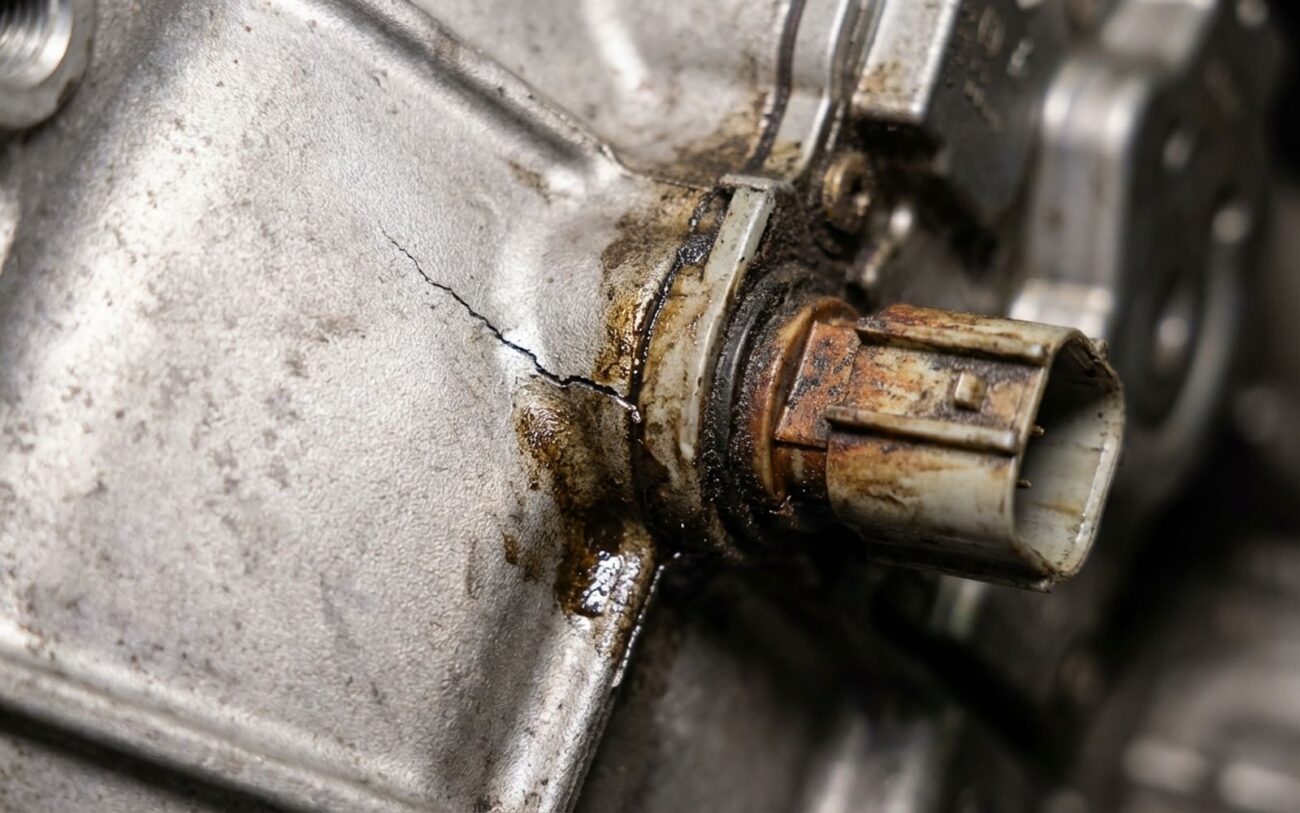
Inspect the Connector: Every now and then, take a look at the mechatronic unit’s electrical connector. Check for any signs of fluid seepage. A failed seal can let transmission fluid wick right into the connector, leading to internal shorts and all sorts of headaches.
