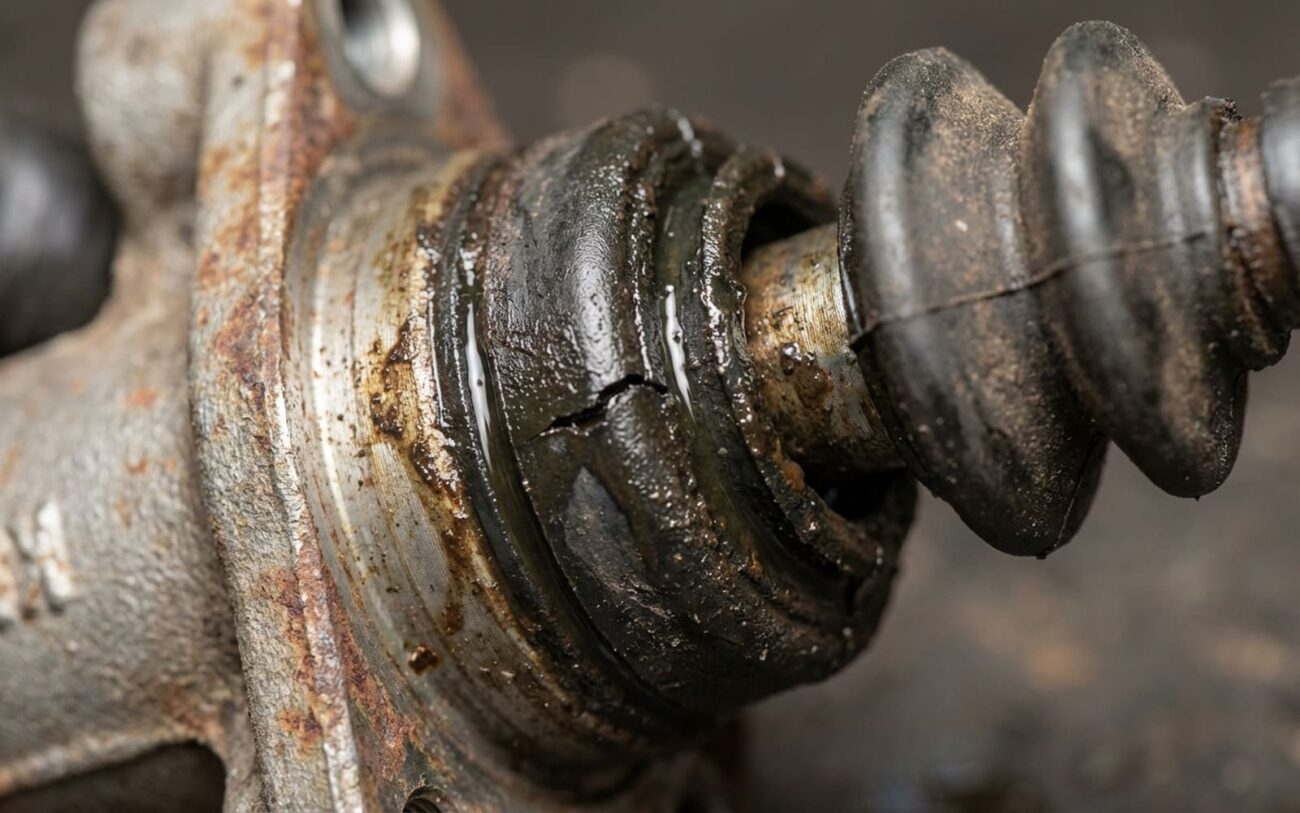
Alright, let’s talk about that clutch pedal. If you’ve ever pushed it and felt like you were stepping into a wet sponge instead of engaging a solid mechanical system, or if it just plain doesn’t want to come back up, you’re not alone. I’ve seen these symptoms countless times over the years, and usually, it boils down to a few key issues within the hydraulic system. Think of it like your brakes – same basic principle: fluid under pressure moves things. But introduce air or a leak, and suddenly that solid feel goes right out the window.
Spongy Pedal, Stuck Pedal: What’s Really Happening
A “spongy” or “mushy” pedal almost always means you’ve got air trapped in the hydraulic lines. See, hydraulic fluid doesn’t compress much, so it efficiently transfers your foot’s force to the clutch fork and release bearing. Air, though? It compresses easily. So when you push the pedal, that initial travel gets eaten up by the air bubbles squishing down instead of pushing the slave cylinder. The pedal feels vague, might sink to the floor, and you lose that solid engagement point.
Now, if your pedal goes down but then just hangs there, refusing to return all the way on its own – maybe you have to hook your toe under it to pull it back up – that’s a different beast. In my experience, this usually points to an internal problem with the clutch master cylinder. It could be a failed return spring inside the master cylinder, a piston that’s binding up, or sometimes even a subtle hydraulic leak that prevents the system from building enough pressure to reset itself fully. This is often one of the first clear signs your master cylinder is on its way out.
Before you start tearing things apart, always look for the obvious clues. Check the carpet under your dash, right below the clutch pedal. If it’s damp, or if you can see drips, you’ve likely got a leaking master cylinder. Another common spot for leaks is around the transmission bellhousing, especially on front-wheel-drive cars. If you see fluid weeping or dripping there, that’s usually the slave cylinder, particularly if it’s one of those concentric types that sits inside the bellhousing. Ignoring these signs is a bad idea. If you lose too much pressure, you won’t be able to disengage the clutch at all, which means no shifting. You’ll either grind gears trying, or get stuck, and that’s a quick way to damage your transmission’s synchronizers and burn up the clutch disc itself.
Diagnosing the Real Problem: Hydraulics or Mechanical?
I can’t stress this enough: don’t just throw parts at it. A spongy pedal can feel a lot like a worn-out pressure plate with a weak diaphragm spring. And a pedal that sticks? That might actually be a binding clutch fork or a seized pivot ball, not a hydraulic issue at all. You’ve got to isolate the fault. Here’s how I approach it in the shop, breaking down the common symptoms, what usually causes them, and how to pinpoint the true culprit.
| Symptom | Usually Hydraulic | Common Mechanical Mimics | My Go-To Test to Confirm |
|---|---|---|---|
| Spongy Pedal Feel | Air in the lines. This is usually due to a failing seal in the master or slave cylinder, or a loose line connection. | A worn clutch disc (especially the cushion springs), a weak pressure plate spring, or excessive play in the clutch fork. |
Have an assistant press and hold the clutch pedal firmly. Watch the fluid level in the reservoir. If it slowly drops while held, you’ve got internal bypass in the master cylinder. If it stays steady but the pedal feels soft, it’s air. |
| Pedal Won’t Return | A broken internal return spring in the master cylinder, swollen piston seals, or the slave cylinder piston dragging. | A binding pedal pivot bushing, a seized clutch fork pivot ball, a damaged release bearing, or even something physically obstructing the pedal. |
Disconnect the slave cylinder pushrod from the clutch fork. Now, operate the pedal by hand. If it moves freely and returns, your problem is downstream (slave or clutch assembly). If it still sticks, it’s the master cylinder or pedal assembly. |
| Low Fluid in Reservoir | An external leak from the master cylinder, slave cylinder, or a line fitting. Sometimes it’s internal bypassing in the master cylinder. | This is usually hydraulic. But sometimes, if it’s a shared reservoir with the brakes, a brake issue could be the cause. Or a cracked reservoir, but that’s pretty obvious. |
Clean everything thoroughly with brake cleaner. Then, pump the pedal a few times and inspect all components (master, lines, slave) for fresh seepage. UV dye in the fluid can help find tiny leaks. |
Inside the System: What Actually Gives Out
Let’s peel back the layers and look at what typically fails in these hydraulic systems. The clutch master cylinder is a pretty precise piece of engineering. You’ve got a small piston moving in a finely honed bore, sealed by rubber O-rings. Over time, moisture gets into the fluid – and yes, brake and clutch fluid are hygroscopic, meaning they absorb water from the air. That moisture causes corrosion inside the bore, especially if it’s aluminum or cast iron. Once that surface gets pitted, those seals can’t hold tight anymore. Fluid bypasses the piston, and boom, you get a spongy or sinking pedal. That internal return spring I mentioned earlier? That’s another common failure point. Years of cycling can fatigue it, causing it to break, and then your pedal just won’t come back up.
Now, don’t confuse a simple cracked plastic reservoir or a loose filler cap with a failed master cylinder. Those are easy fixes. But if you’ve got internal bore damage or a snapped spring, that unit is done for. No rebuilding those, just replace it.
The slave cylinder faces similar abuse. It’s often out there, exposed to engine heat, road grime, and constant vibration. Corrosion in its bore leads to seal failure, which means fluid loss and poor clutch actuation. On a lot of modern cars, particularly front-wheel-drive models, the slave cylinder is a “concentric” unit (CSC). This means it’s integrated right into the release bearing and sits directly on the transmission input shaft, inside the bellhousing. When a CSC leaks, that fluid runs right into the bellhousing and can contaminate the clutch disc. I see this misdiagnosed as a slipping clutch all the time. The fluid makes the clutch grabby or slip, and people think the disc is bad when it’s just soaked in hydraulic fluid.
And then there are the hydraulic lines themselves. Steel lines can rust through, especially where they’re exposed near the firewall or along the transmission tunnel. Rubber hoses can swell internally from old, degraded fluid, which restricts flow and makes the pedal feel stiff or unresponsive. Fittings can also loosen or corrode, leading to those slow, insidious leaks. While some specific models have had known issues – like certain Ford models from the 2010s with seal extrusion problems that led to TSBs – most failures, in my experience, come down to fluid contamination and a lack of basic maintenance.
Your Repair Options: How to Get It Fixed
Once you’ve nailed down the diagnosis, the repair path becomes pretty clear. Here’s a breakdown of what each job entails, from a DIY perspective to a full professional repair.
Fixing an External Leak at a Fitting or Hose DIY-FEASIBLE
Replacing the Clutch Master Cylinder DIY to PROFESSIONAL
Replacing a Concentric Slave Cylinder (CSC) Professional Only
Replacing a Corroded or Cracked Hydraulic Line Professional Only
Don’t Skip This: Validating the Repair
You’ve done the work, but don’t just assume it’s fixed. You need to thoroughly verify three things: full hydraulic function, absolutely no leaks, and proper operation under load. This is where a lot of people get tripped up.
-
Clutch Pedal Feel: The pedal should feel firm right from the top of its travel. There shouldn’t be any sponginess or “free play” at the beginning. It needs to return quickly and completely to its resting position every single time you press it.
-
Leak Inspection: Pressurize the system. You can do this by having someone hold the pedal down firmly, or by using a pressure bleeder. Then, inspect every single connection you touched for at least five full minutes. Any sign of fresh fluid, even a tiny weep, means you’ve got a problem and it’s not sealed correctly.
-
On-Road Operation: Start the engine. Shift through all gears, including reverse, with the vehicle both cold and fully warmed up. You shouldn’t hear any grinding, and you definitely shouldn’t have to “pump” the pedal to get it to shift. If it’s still not right, don’t drive it.
Tools that make this whole process easier: a pressure bleeder (a real game-changer), clear vinyl tubing for your bleed screw, a clean catch bottle, and a bright inspection light. If the pedal still feels soft after all this, repeat the bleeding process. Sometimes there’s a stubborn air pocket, or some systems have specific bleed sequences you need to follow, so check your service manual.
Cost Breakdown: When to Fix, When to Walk Away
Let’s be realistic about what these repairs are going to cost you. This should help you decide if it’s worth fixing or if it’s time to start looking at new wheels.
| Repair Type | DIY Cost (Parts Only) | Shop Cost (Est. Labor + Parts) | My Success Rate | Risk if It Fails Again |
|---|---|---|---|---|
| Master Cylinder Replacement | $50 – $150 | $250 – $500 | High (95%+) | Complete fluid loss, you’ll need a tow, and potentially transmission damage if you try to force it. |
| Slave Cylinder (External) Replacement | $75 – $200 | $300 – $600 | High (95%+) | Same as master cylinder failure—you’ll be stranded if it goes completely. |
| Concentric Slave Cylinder (CSC) Replacement | $150 – $400 | $800 – $1,800 | High | If this job isn’t done right, you’re looking at another full transmission removal, which is a huge labor cost. |
Here’s a rule I live by in the shop:
If the repair cost starts creeping up past 50% of your vehicle’s fair market value – and I mean its value in “Fair” condition, check Kelley Blue Book or Edmunds for that – it’s time to seriously think about whether that car is still a sound investment. At that point, you’re not just fixing a clutch; you’re betting that the rest of the drivetrain, suspension, and all those electronics are going to hold up. Sometimes, it’s smarter to cut your losses.
Preventing Future Failures: It’s All About the Fluid
Most hydraulic clutch failures aren’t just random bad luck; they’re preventable. The biggest culprit, by far, is moisture-contaminated fluid. Brake and clutch fluid are designed to absorb water from the air over time. That’s good because it keeps the water from pooling and freezing, but it’s bad because water lowers the fluid’s boiling point and, more importantly, causes internal corrosion in your master and slave cylinders. That corrosion eats away at the finely machined surfaces, leading to premature seal failure and that spongy pedal feel.
The best defense? A complete fluid flush every 2–3 years or 30,000 miles. Always use the manufacturer’s specified fluid – usually DOT 4, but some European cars might call for ATE-type fluid. This keeps the system clean, dry, and corrosion-free. You can get a quick idea of your fluid’s condition by its color: fresh fluid is clear to light amber. If it’s dark brown or black, it’s degraded and needs to be changed yesterday.
For early detection, I recommend making these quick checks part of your regular routine:
-
Once a month, pop the hood and check the clutch fluid reservoir level and condition. It should be clear and at the proper level.
-
During every oil change, take a quick look under the dash at the master cylinder pushrod. Any signs of dampness or drips mean trouble.
-
While you’re under the car for an oil change, glance at the transmission bellhousing area for any fluid seepage.
This isn’t just “shop talk” or an upsell. Performance brands like BMW and Porsche include regular clutch and brake fluid changes in their official maintenance schedules for a reason. It’s not optional; it’s absolutely critical for long-term reliability and, frankly, your safety.
