You press the start button. Nothing. No crank, no click—just silence. You press again, and it fires right up. Feels like a glitch. Feels random. But I’ve seen this hundreds of times in my shop over the last 25 years, and let me tell you: this isn’t luck. It’s a failed handshake in the car’s electronic brain. And if you ignore it, one morning you’ll press that button and it won’t start at all.
Symptoms That Tell You Where to Look
First thing I do when a customer walks in with this issue? I ask one question: “Does it crank on the first try, or not?” That answer alone splits the diagnosis in half.
If there’s no crank—dead silence or just a click—it’s a logic gate failure. The PCM never got the all-clear to engage the starter. Could be the brake switch, the transmission range sensor, or the start button itself. But more often than not, it’s a timing hiccup in the control modules. I’ve seen it on 2018–2021 Camrys where the brake signal arrives 50ms too late in cold weather. Car thinks “brake not pressed,” denies start. Second press? Your foot’s already down. It works.
If it cranks but won’t start on the first try, that’s immobilizer territory. The engine’s ready to run, but the PCM isn’t getting the “yes, this key is legit” signal from the security chip. Common on Hondas with aging key fob batteries. The car sees the fob, but the handshake fails. Second try, it syncs. I’ve had customers drive like this for months—until one day the battery dies completely and they’re stranded.
How I Diagnose It (And Why Most Shops Get It Wrong)
Too many shops jump to replacing the starter. Bad move. The starter’s not the problem. The issue is upstream—something in the go/no-go chain isn’t lining up.
Here’s what I do: I hook up a professional scan tool—Techstream for Toyotas, Honda HDS, or a high-end Autel. Not OBD2. You need module-level access. I monitor real-time data while someone presses the start button. I’m watching four things:
- Brake pedal position switch status
- Transmission range (P/N signal)
- Immobilizer system readiness
- PCM crank request command
If all inputs look good but the PCM never sends the crank command? That’s a logic or software fault. I’ve seen this on multiple Mazda6s where a firmware bug caused the brake switch signal to be ignored during cold starts. Dealer had a TSB for it—updated the BCM, fixed.
If the immobilizer shows “security not verified” for a second before clearing? That’s a fob, antenna, or relay issue. Try this: hold the key fob right against the start button when you press it. If it starts first time every time, your fob battery’s weak. Replace it. (Yes, this matters—even if the fob still unlocks the doors.)
Root Causes (In Order of Likelihood)
Based on what I’ve seen across thousands of repairs, here’s the real breakdown—not the guesswork you get online.
1. Weak key fob battery — especially in “cranks but no start” cases. The immobilizer needs a strong RF signal to read the transponder chip. A low battery causes intermittent verification. Replace every 2–3 years, even if no warning light.
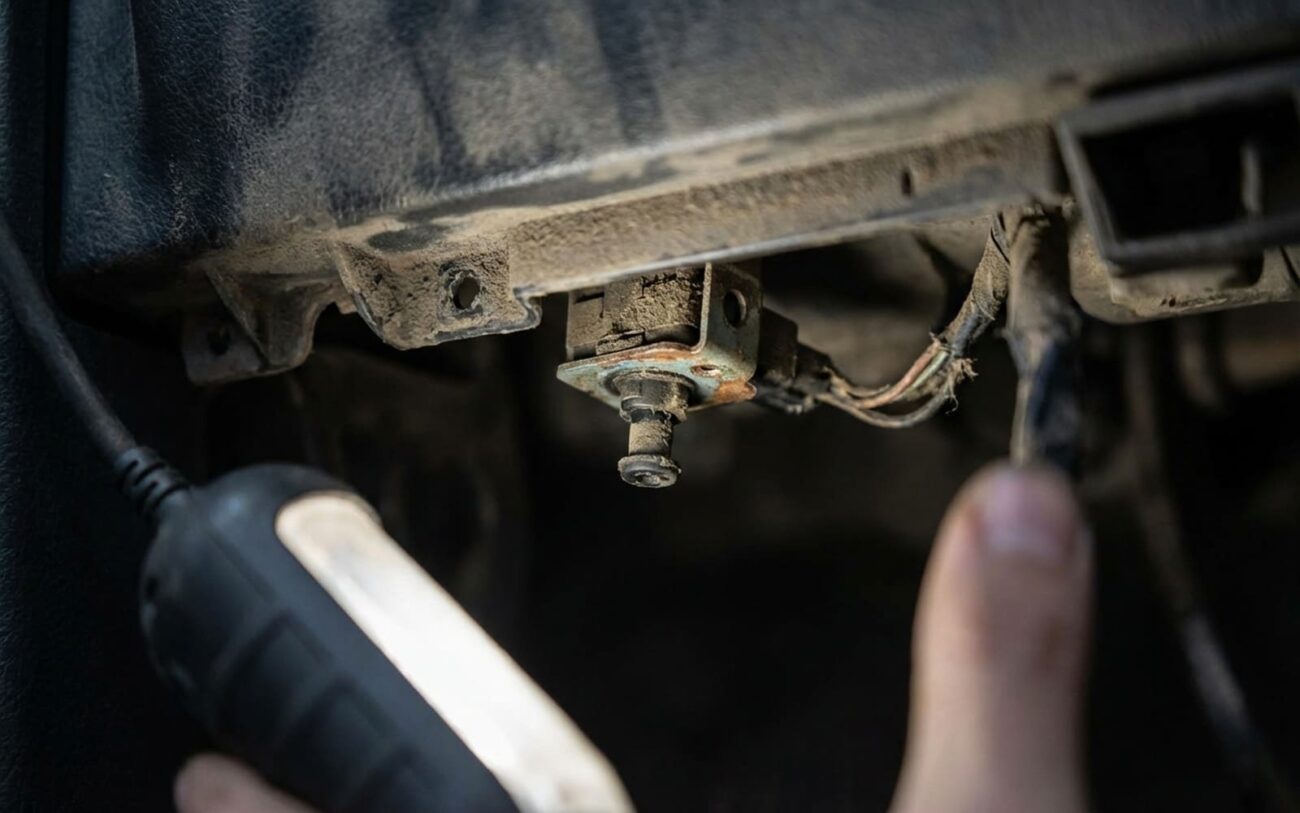
2. Failing brake pedal position switch — common on high-mileage vehicles. Internal contacts wear or oxidize. The switch works sometimes, not others. On some models (looking at you, 2013–2016 Accord), it’s a known failure point. Replacement takes 20 minutes, but you’ve got to follow the self-adjust procedure: depress brake, install switch, release pedal. Skip that, and you’ll have issues with cruise control or start function later.
3. Start/stop button wear — not a simple switch. It’s a sealed module with micro-contacts. Carbon buildup or contact fatigue increases resistance. First press: signal drops. Second press: vibration completes the circuit. I’ve tested buttons with a multimeter showing 1.2 ohms on first press, 0.3 ohms on second. That’s enough to confuse the BCM.
4. Software/firmware bugs — yes, your car has bugs. I’ve flashed PCMs on multiple Toyotas where a delayed brake signal processing routine caused no-crank complaints. TSBs exist for this. Check with your dealer or a shop with OEM tools. Reflash takes 15 minutes—but you need a battery maintainer. Power drop during flash? You’ve just bricked the module.
How I Fix It (Step by Step)
Replace Key Fob Battery DIY Feasible
Test and Replace Brake Switch DIY Feasible
Replace Start Button DIY Possible
PCM/BCM Reflash Professional Only
Verification: Did You Actually Fix It?
I don’t consider it fixed until I’ve done 20 cold-to-hot start cycles. Morning, after a drive, after sitting for an hour. Every single time, first press. No hesitation.
And I re-scan. I want to see clean, instantaneous signals: brake switch active, P/N confirmed, immobilizer green, PCM commands crank—all within 100ms of button press. If there’s a 200ms delay on the brake signal? That’s not fixed. Dig deeper.
I had one case where a software update “fixed” the issue for three weeks—then it came back. Turned out the brake switch was sending a jittery signal. The update masked it temporarily. Root cause was still hardware. Replace the switch, update the software, now it’s solid.
What This Will Cost
| Repair | DIY Cost | Shop Cost | Success Rate | Risk If Done Wrong |
|---|---|---|---|---|
| Key Fob Battery | $5–$10 | $20–$40 | Very High | None |
| Brake Switch | $25–$75 | $150–$300 | Very High | Improper adjustment affects cruise, start, or brake lights |
| Start Button | $60–$140 | $200–$400 | High | Trim damage or wiring pinch if not careful |
| Software Update | $0 (if under warranty) | $100–$200 | High (if TSB matches) | Module failure if power interrupted |
Prevention: Keep It From Coming Back
No scheduled service for the start system—but you can stay ahead of it.
Replace fob batteries every 2–3 years. Clean the start button area—dirt and coffee spills build up carbon on the contacts. And if you notice other electrical gremlins—dash lights flickering, radio resetting, windows acting up—don’t ignore it. Could be a CAN bus issue or weak ground. I’ve traced multiple start problems back to a corroded chassis ground near the battery. Fixed the ground, fixed the start issue.
Bottom line: This isn’t a mechanical problem. It’s electronic. Diagnose it like one. Don’t throw parts at it. Test, verify, repair the root cause. And if in doubt? Get a real scan tool on it. Your time—and wallet—will thank you.
