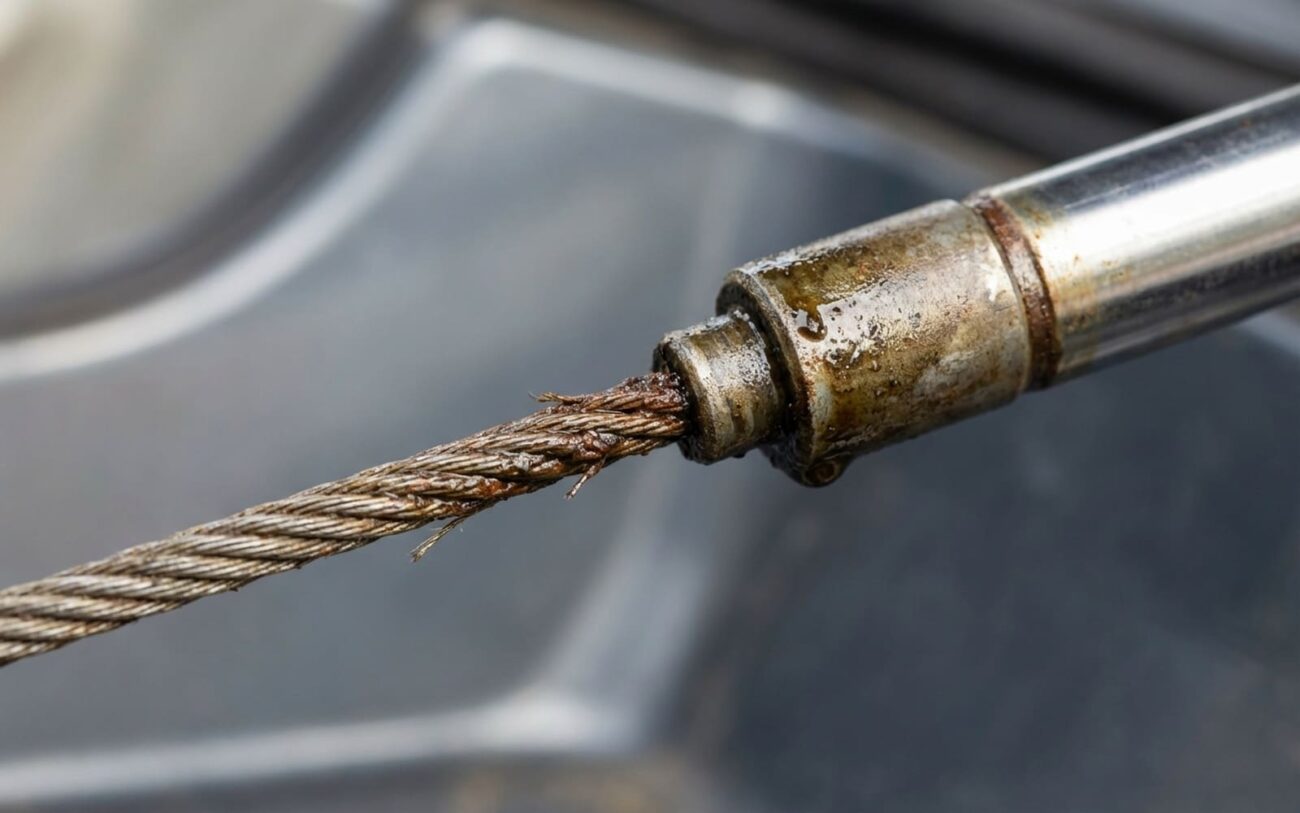
Power liftgates fail. They’re convenient, but they’re also mechanical systems with moving parts, motors, hydraulics, and sensors—all packed into a high-stress, high-moisture environment. After 25 years in the bay, I can tell you: when the trunk won’t open on its own, or it sags like a tired eyelid, you’ve got one of two problems—struts or actuator. But don’t start throwing parts at it. Let’s walk through this like a real tech would: symptom first, then test, then fix.
What’s Really Going Wrong?
If the liftgate opens but slowly sinks back down—like it’s giving up—that’s your gas struts. They’ve lost pressure. Nitrogen leaks past the rod seal over time, especially on SUVs with heavy rear doors. I’ve seen it on everything from Explorers to Q7s. The lid should stay put when opened. If it doesn’t, the struts are done. Period.
But if the motion is jerky, lurching, or the motor sounds like it’s grinding through gravel—that’s the power actuator. Could be worn gears, a failing motor, or internal hydraulic bypass in electro-hydraulic units. And if nothing happens at all? No whir, no movement—then you’ve either got a dead actuator or something upstream cutting power.
Diagnosis: Stop Guessing, Start Testing
Here’s what I do in my shop—every time. No shortcuts.
Case 1: Lid Sinks After Opening
Start by disconnecting one end of a strut. Cycle the liftgate by hand. If it moves smoothly, the strut’s the problem. If it binds, check the hinges and pivot bushings. Corrosion in salty climates? That’s a common culprit. I’ve pulled struts that tested fine—only to find seized bushings on the hinge.
Best test? Swap in a known-good strut. If the lid stays up, you’ve got your answer. Don’t skip this—too many shops replace struts blindly and miss the real issue.
Case 2: Jerky or Weak Motion
Grab a scan tool. Monitor the BCM commands and the liftgate position sensor. Command the gate open and closed through the tool—bypasses the switches, isolates the control side.
Check voltage at the actuator connector while operating. You should see clean 12V and solid ground. If power’s there but motion is still rough? The actuator’s internals are shot—seals, gears, or motor. I’ve torn these apart—seen O-rings cracked, gear teeth stripped, motors burned out from chronic overwork.
And don’t forget the battery. A weak battery mimics actuator failure. Test voltage under load before condemning the unit.
Case 3: No Movement at All
Multimeter time. Check the actuator connector for 12V and ground when the open button is pressed. No power? Trace back: fuse, switch, wiring, control module. I’ve found broken wires in the hatch harness—flexes every time the door opens, eventually fatigues and fails.
Power present but no movement? The actuator’s seized or mechanically broken. On screw-drive units, I’ve seen the plastic drive nut strip out—common on higher-mileage Acuras and Lincolns. Hydraulic units? Internal valve failure kills pressure. Either way, it’s not repairable.
| Symptom | Likely in Named Component | Common External Mimics | Definitive Test to Confirm Source |
|---|---|---|---|
| Slow descent from open position | Internal gas strut pressure loss | Binding trunk hinge, seized pivot bushing |
Disconnect one end of the strut and manually cycle the liftgate. If motion is smooth, the strut is faulty. If resistance remains, inspect hinges and bushings. Swapping in a known-good strut is the most conclusive test. |
| Jerky or weak powered operation | Internal valving or pump/motor failure in the power cylinder | Low vehicle battery, faulty position sensor, failing control module |
Use a scan tool to monitor BCM commands and liftgate position sensor data. Command the liftgate open and closed via the tool to rule out switch issues. Check for voltage drop at the actuator connector while operating. If power and ground are present but motion is still poor, the power cylinder is likely faulty. |
| No powered operation at all | Seized motor or complete mechanical failure inside the power unit | Blown fuse, faulty switch, wiring break, failed control module, latch obstruction |
Test the actuator connector with a multimeter. Have someone press the open button while you check for 12V and a solid ground. If voltage is present but no movement occurs, the power cylinder is likely dead. If no power is detected, trace the circuit back through fuses, switches, and wiring harnesses. |
Why It Failed: Not Just Wear and Tear
Gas struts fail because the rod seal degrades. Thermal cycling—heat, cold, humidity—dries out the rubber. Nitrogen leaks. Oil weeps. Once pressure drops below 70% of spec, it can’t hold the lid. The strut housing? Usually fine. It’s the seal.
Actuators are more complex. In hydraulic units, internal O-rings fail, letting fluid bypass. Motion becomes weak or inconsistent. On electric screw-drive models—like those in many Toyotas and Hondas—the plastic drive nut strips under load. Especially if the hinge is stiff or the latch is misaligned. I’ve seen this on 2016–2018 Siennas more than once.
And the motor? It can overheat from chronic overwork. If the liftgate is binding, the motor draws high current every time. Over time, that fries the windings. I’ve measured current draw above 15A on a unit rated for 10A—no wonder it failed.
Pro Tip:
On higher-mileage vehicles—especially in coastal or northern states—check hinge lubrication first. Corrosion increases resistance, forcing the motor to work harder. I’ve extended actuator life by six months or more just by greasing the hinges with white lithium. Yes, this matters.
Fix It Right: Repair Paths That Work
Gas Strut Pair Replacement
Power Actuator Replacement Professional Only
Actuator Internal Damage
Verify the Repair: Don’t Assume It’s Fixed
For struts: Open the liftgate halfway, gently release. A good strut will push it fully open. If it starts to close, it’s weak. Or—open it fully and walk away. No sag in two minutes? You’re good.
For actuators: Run five full cycles—key fob, dash switch, exterior handle. Motion should be smooth, consistent. No hesitation, no grinding. Then scan for DTCs. Check that the initialization completed. If you see “liftgate position out of range” or “motor overcurrent,” recheck calibration and wiring.
Cost vs. Value: Is It Worth Fixing?
| Repair Type | DIY Cost | Shop Cost | Success Rate | Secondary Risk if Failed |
|---|---|---|---|---|
| Gas Strut Pair Replacement | $80 – $200 (parts) | $250 – $400 | 98% if correct part is installed and hinges are free | Lid may not stay open, creating a crush hazard. Risk increases if both struts aren’t replaced together. |
| Power Cylinder Unit Replacement | $300 – $700 (parts + scan tool rental) | $500 – $1,200 | 95% with proper calibration and no underlying electrical issues | Incorrect calibration may cause the lid to reverse mid-cycle, fail to latch, or damage the new actuator or latch assembly. |
Reality Check: If the repair costs more than 25% of your car’s value, consider disabling the power function. Pull the actuator fuse or unplug the control module. Use it manually. It’s not ideal, but I’ve done it on more than a few high-mileage AWD luxury SUVs where the actuator costs $800 alone. Better to have a working trunk than a broke bank account.
Prevention: Make It Last
Maintenance That Works
-
Every six months, hit the hinges and latch with white lithium grease. Silicone dries out. Dry lubes wash off. This stuff lasts.
-
Keep the seal and latch area clean. Dirt causes misalignment, false anti-pinch triggers, and incomplete latching.
-
Listen for changes. A new whine, hesitation, or slower speed? That’s early warning. Check it before it leaves you stranded.
-
Test struts every year: open halfway, release gently. If it doesn’t push open, it’s weakening.
Bottom line: power liftgates are convenience, not necessity. But when they fail, diagnose smart, fix right, and don’t ignore the signs. I’ve seen too many small issues turn into big bills—because someone waited too long.
