Phantom Wiper Activation? Let’s Cut to the Real Problem
I’ve pulled into bays more times than I can count to find a car wiping on dry glass—just one slow swipe, then silence, then another. Owner says, “It’s not raining. Why’s it doing that?” And yeah, it’s annoying. But more than that, it’s wearing out the motor, the transmission, the blades. And most of the time, it’s not the wipers’ fault. It’s the rain sensor behind the mirror playing tricks.
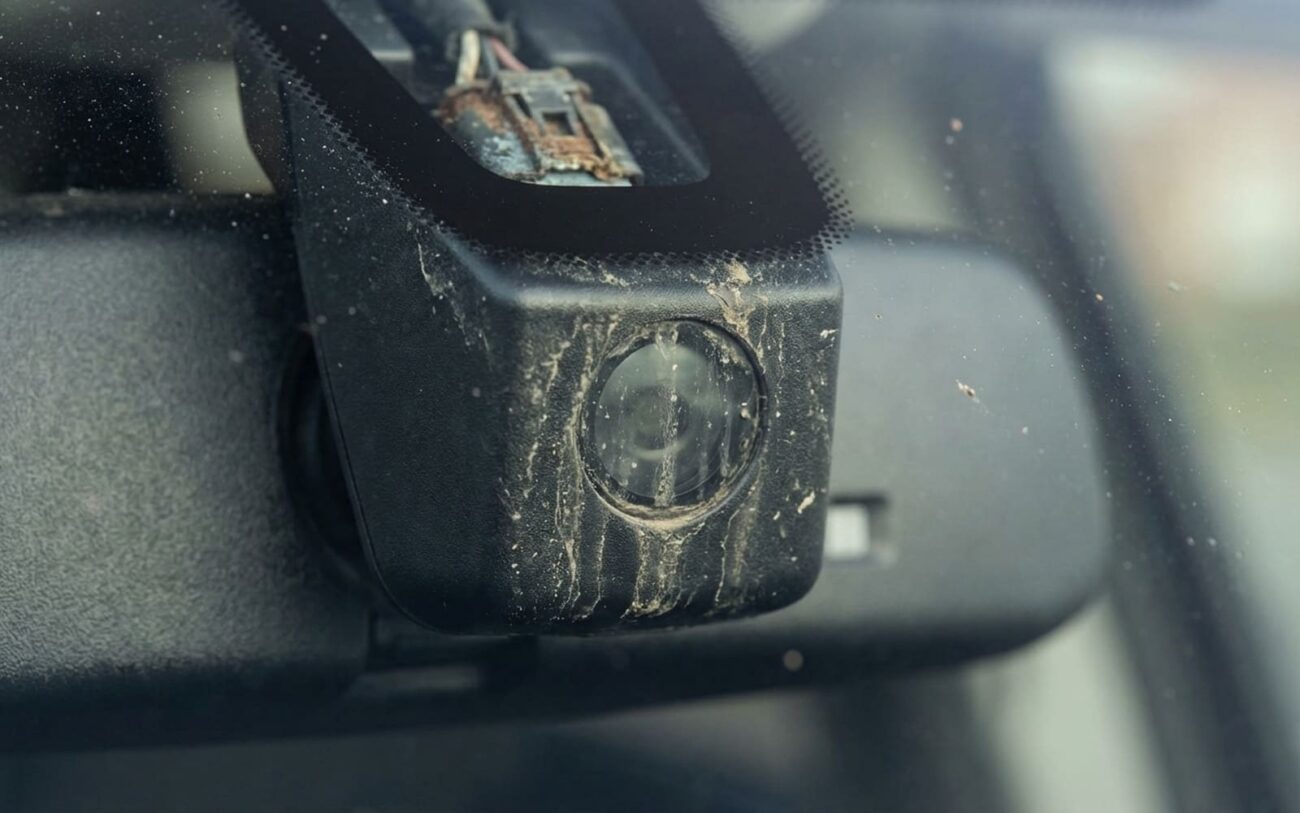
Now, don’t go yanking that sensor out yet. I’ve seen techs replace it three times on the same car because they didn’t diagnose it right. The issue usually isn’t the sensor itself—it’s what’s between the sensor and the glass. Wax, polish residue, even the wrong glass cleaner—stuff you can’t see—can scatter infrared light just like raindrops. And the system thinks it’s raining.
First: Is It the Sensor, or Something Else?
Before touching a tool, do this: turn off the auto-wiper function in the vehicle settings. On most cars, it’s under wiper settings in the instrument cluster or infotainment screen. Switch the stalk to manual intermittent. If the phantom wipes stop, you’re dealing with the sensing system—sensor, wiring, or calibration.
If it still wipes on its own? Then the problem’s deeper—wiper switch, body control module (BCM), or chafed wiring in the column. I’ve seen rodent damage chew through the harness right behind the fuse box on a 2018 Camry. Looked like a sensor fault at first.
And if the wipers work fine in manual mode but won’t kick on in the rain? That’s almost always the sensor. But don’t assume—test it.
Disable auto mode. If random activation stops, the fault is in the sensing system.
No response in rain
Severe contamination or internal failure
Blown fuse, dead motor, failed relay
Test all manual wiper functions. If they work, the issue is isolated to the rain sensor circuit.
Erratic speed in rain
Dirt, calibration drift, or signal noise
Motor resistor pack failure
Clean the windshield and sensor lens. Recalibrate. If it’s still acting up, suspect internal failure.
For real confirmation, plug in a scan tool. Pull up the rain sensor’s moisture PID. On a dry day, it should sit at 0–5%. If it’s jumping to 60%, then back to 2%, you’ve got false triggering. That’s your smoking gun.
What’s Actually Going On Inside That Sensor?
The rain sensor’s an infrared optical unit. It shoots a beam at a shallow angle into the windshield. Dry glass? Most of the light reflects back. Water on the glass? It refracts the beam, less light returns, and the system triggers the wipers.
So when it’s triggering on dry glass, something’s messing with that beam. Wax from a car wash, polish residue from a detail job—even some “streak-free” glass cleaners leave behind silicones. I see this all the time after people use Windex or Rain-X on the inside.
The sensor itself can fail. Infrared LEDs degrade over time, especially in hot climates. I’ve pulled sensors off south-facing cars in Phoenix with cracked lenses from heat cycling. GM and Chrysler have service bulletins for calibration drift after battery disconnects—software updates exist for some models.
And if you see condensation inside the sensor housing? That’s not electronics failing—that’s a seal breach. Needs replacement, not recalibration.
Oh, and aftermarket windshields? Big red flag. Some don’t have the right dielectric properties or tint band. The glass might look fine, but the sensor can’t “see” through it properly. OEM glass only—don’t cut corners here.
How to Fix It—Without Wasting Money
01
Clean the Optical Path (DIY)
Most of the time, this is all you need. But—and this is critical—you have to clean both sides of the glass.
Grab 90%+ isopropyl alcohol and a lint-free cloth. Clean a 6×6 inch area on the outside of the windshield, right behind the mirror. That’s where road film builds up and refracts light through the glass. Then, if your model allows it (some sensors clip out, some are screwed in), remove the cover and wipe the sensor lens gently with alcohol. No scrubbing.
Reinstall, then check your settings. Some cars—like BMWs and newer Toyotas—require a recalibration through the menu. It’s usually under “rain sensor calibration.” Don’t skip it.
02
Replace the Sensor (Shop Job)
If cleaning doesn’t fix it, the sensor’s likely done. These aren’t repairable. But replacement isn’t plug-and-play.
You need the right optical coupling—either a gel or adhesive pad. I’ve seen techs use regular double-sided tape. Bad idea. Signal loss, false triggers, the whole thing starts over. Use OEM-spec material.
After install, you must calibrate. Static calibration with a scan tool first. Some vehicles—like certain Fords and Hondas—also need a drive cycle in light rain or with a spray test to complete the learning. Skip it, and you’ll get a callback.
03
Disable Auto Mode (Temporary Fix)
If you’re not using the feature much anyway, just turn it off. Go into the settings and disable rain sensing. You’ll lose convenience, but you stop the phantom wipes and save wear on the system. I’ve had customers live with this for years—no issues.
Did It Work? Here’s How to Know
After cleaning, drive for a few days. Watch for activation in direct sun, shade, dawn, dusk. It should stay off on dry glass. Pull the moisture PID again—should be steady 0–5%. If it’s spiking, you’ve still got contamination or a calibration drift.
After replacement, test like this:
Validation checklist:
Static calibration confirmed via scan tool
Water spray test: mist the windshield evenly, watch for proper activation and speed adjustment
No DTCs stored after calibration
Response matches rain intensity—light mist, moderate, heavy
If it hesitates or overreacts, double-check the optical bond. Air bubbles or misalignment will screw it up every time.
Cost? And Is It Worth It?
Exterior Cleaning
< $100
DIY cost is under $20. Shop labor runs $50–$100. Fixes 70% of cases if contamination is the only issue.
Sensor Replacement
$300 – $600
Parts, labor, calibration. High success rate when done right. But wrong gel or skipped calibration? You’ll be back.
BCM/Wiring Repair
$500+
Needs deep diagnosis. Misdiagnosis here burns cash fast—don’t guess.
Rule of thumb: if the repair costs more than 40% of the car’s value, just disable the feature. I’ve got customers on 10-year-old Accords using manual intermittent just fine.
I’m a mechanic and driver with over 15 years of hands-on experience. I’ve diagnosed thousands of vehicles - from stubborn electrical faults to complex drivability issues. Now I write to help car owners and technicians fix cars faster, smarter, and with confidence. No guesswork. Just real-world solutions.